






Cuba in Crisis as Canadians Stranded by Fuel Shortage Forces Flights to Halt — What You Need to Know About This Nightmare Holiday Scenario!
-
Travel, Health, Food, Culture
-
-
3 mins
-
Travel and Tour World
-
Hrittik Shaw
-


Cuba’s fuel crisis upends flights and tourism as Canadian arrivals face cancellations and advisories; travel conditions shift amid repatriation efforts and travel warnings.
For many Canadian holidaymakers basking on sandy beaches, Cuba’s vibrant culture and balmy waters have offered a much‑needed escape this winter. But beneath the holiday spirit, an escalating fuel crisis has suddenly transformed the tropical idyll into a travel challenge. Earlier this week, Cuban aviation officials warned that commercial jet fuel would become unavailable at all nine major airports, including José Martí International Airport in Havana, from 10 February through at least 11 March, prompting a wave of flight suspensions and travel advisories.
The scarcity stems from an ongoing energy emergency exacerbated by blocked oil shipments from Venezuela — Cuba’s principal fuel source — as well as cuts in imports previously provided by Mexico, due to tightened US sanctions under current policy frameworks which have tightened pressure on Havana’s economy. This double burden has imperilled everything from air travel to everyday life for residents and visiting tourists.
Government Travel Warning Signals Caution for Tourists
Canada’s official travel advisory now urges travellers to “exercise a high degree of caution” when visiting Cuba, noting the deepening shortages of electricity, fuel and vital supplies such as food, water and medicine. These conditions may affect even popular resort areas, with intermittent blackouts and reduced services disrupting normal holiday routines. The advisory — issued by the Government of Canada’s travel site — also emphasises unpredictable flight availability, urging visitors to prepare for sudden changes to itineraries and to maintain flexible plans with travel insurance that covers disruptions.
Canadian Airlines Pull Back Operations Over Fuel Shortages
In a significant development, Canada’s flag carrier Air Canada announced an immediate suspension of flights to Cuba due to the unreliable availability of aviation fuel on the island, affecting roughly 3,000 passengers currently in Cuba. Over the coming days, the airline plans to operate empty flights southbound to pick up and bring home stranded holidaymakers. Air Canada serves Cuba on average around 16 flights weekly from Toronto and Montréal to key destinations including Cayo Coco, Varadero, Holguín and Santa Clara. These routes are now suspended temporarily, with a tentative restart in late spring pending fuel restoration.
Other Canadian carriers such as WestJet and Air Transat have likewise altered their Cuba schedules, with Transat publicly announcing an extension of suspensions through 30 April 2026 due to ongoing fuel issues.
Stranded Tourists and the Human Side of Disruption
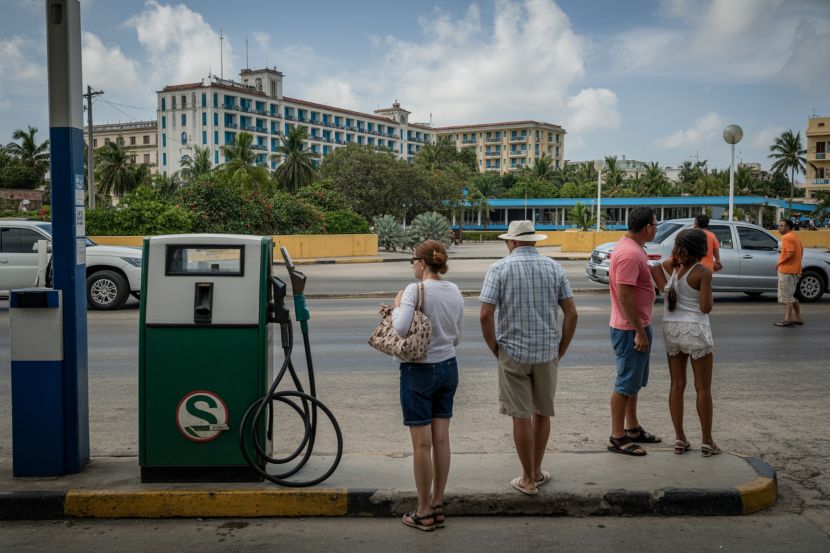
For many travellers already in Cuba, the picture is mixed. Some report manageable conditions in their resorts, though travel beyond hotel gates is increasingly restricted as fuel shortages hamper public transport and local services. Smaller taxis and buses are harder to come by, and queues at the few operating petrol stations are long and uncertain.
A Canadian family staying in Varadero described the sudden uncertainty with palpable emotion: “We came here for a week with sun and relaxation in mind, but now we’re planning around repatriation flights and trying to see what’s open,” one traveller said, underscoring the unexpected shift from holiday mode to logistical concern.
US Sanctions and Cuba’s Broader Economic Strain
Much of the jet fuel crunch is linked to a renewed tightening of the US economic blockade against Cuba, which has historically restricted Cuba’s access to foreign exchange and essential imports. Recent expansions of those measures include tariffs on nations supplying petroleum products to Cuba, which in turn has dissuaded traditional oil partners such as Venezuela and Mexico from continuing fuel deliveries.
The Cuban government’s public notices to airlines explicitly state that fuel shortages are severe enough to halt refuelling services at airports across the country. The impact goes beyond tourism — domestic transport, electric grids and even cultural events have suffered as emergency measures unfold across urban and rural regions.
Travel and Tourism Sector on Edge
Cuba’s tourism industry, a mainstay of the national economy, is now grappling with unprecedented disruption during a peak travel season. Canadian arrivals typically represent one of the largest international source markets for the island, generating vital tourism revenue. With flights suspended and travel plans in flux, local hotels, resorts and tour operators face uncertain weeks ahead.
Several government and private tourism stakeholders have begun relocating guests between properties to conserve generator fuel and streamline services — an approach that has left some tourists surprised but largely accommodated.
Navigating Travel Changes: Advice and Rights for Tourists
Travellers affected by cancellations or schedule changes are being advised to remain in close contact with their airline or tour operator for repatriation information and to understand refund and rebooking options. Canada’s travel advisory also suggests registering with the Registration of Canadians Abroad service to receive timely alerts and support if conditions worsen.
Experts recommend that visitors:
- Monitor airline communications for schedule updates,
- Maintain flexible travel insurance that covers cancellations and interruptions,
- Keep essential items on hand, such as medication and bottled water, in case of utility disruptions,
- Communicate with consular services if help is required.
Looking Ahead: Cuba’s Winter Tourism at a Crossroads
As the fuel crisis persists through mid‑March, the outlook for Cuba’s winter travel season remains unsettled. The coming weeks could reshape travel patterns in the Caribbean, with airlines weighing alternative refuelling strategies, and governments reconsidering advisories as conditions evolve.
For Canadian holidaymakers who journeyed expecting sun and relaxation, the unexpected twists of logistics and fuel shortages have brought a sober reminder: travel adventures can turn into complex navigation amid shifting geopolitical and economic pressures. Despite the human toll and operational challenges, a measured return to normalcy hinges on diplomatic resolutions and restored fuel access.
The post Cuba in Crisis as Canadians Stranded by Fuel Shortage Forces Flights to Halt — What You Need to Know About This Nightmare Holiday Scenario! appeared first on Travel and Tour World