
















United States Stands Alongside Japan and Other Rising Destinations as Expedia Reveals a 195% Travel Search Surge
-
Travel, Health, Culture, Weather
-
-
10 mins
-
Travel and Tour World
-
Ankita Neogi Khan
-


Compare South Lake Tahoe, Hyogo, Holbox and Niagara-on-the-Lake for 2027 travel costs, access and seasonal appeal.
Expedia’s 2027 destination report puts four contrasting holiday spots in the spotlight, with South Lake Tahoe searches rising 195%, Hyogo in Japan climbing 95%, Holbox in Mexico gaining 45% and Niagara-on-the-Lake in Canada increasing 35%. The figures reveal growing interest across mountain, cultural, island and wine-country escapes. However, search growth does not necessarily translate into more arrivals or higher hotel occupancy. Travellers must also weigh air connections, onward transfers, accommodation prices and seasonal conditions before booking. South Lake Tahoe leads the search-growth race, while Hyogo offers a distinctive cultural alternative. Holbox and Niagara-on-the-Lake present different propositions for travellers seeking beach experiences or heritage-led breaks in 2027.
A Search Surge Puts Four Very Different Escapes on the Map
Expedia’s findings arrive as travel companies increasingly use search behaviour to identify destinations gaining attention before they become household names. Its annual Unpack ’27 report tracks where travellers are researching flights and accommodation, offering an early signal of changing holiday preferences. The methodology compares searches between 1 September 2025 and 27 July 2026 with the corresponding period a year earlier. Expedia ranks the destinations by year-on-year search growth, drawing on activity across its booking platform.
The results suggest that travellers are exploring a wider range of landscapes and experiences. Nevertheless, the figures measure interest within one platform, rather than the entire travel market.
| Destination | Country | Annual search growth | Signature appeal |
|---|---|---|---|
| South Lake Tahoe | United States | +195% | Alpine scenery, skiing and lake recreation |
| Hyogo | Japan | +95% | Castles, hot springs and regional cuisine |
| Holbox | Mexico | +45% | Beaches, island life and marine wildlife |
| Niagara-on-the-Lake | Canada | +35% | Wineries, heritage streets and theatre |
The gap between the four figures is striking. South Lake Tahoe’s 195% increase is more than twice Hyogo’s growth rate, while Holbox and Niagara-on-the-Lake record more moderate advances. However, percentage growth alone cannot establish which destination receives the most searches. Expedia has not published the absolute search volumes needed to make that comparison.
Why South Lake Tahoe Has Taken the Lead
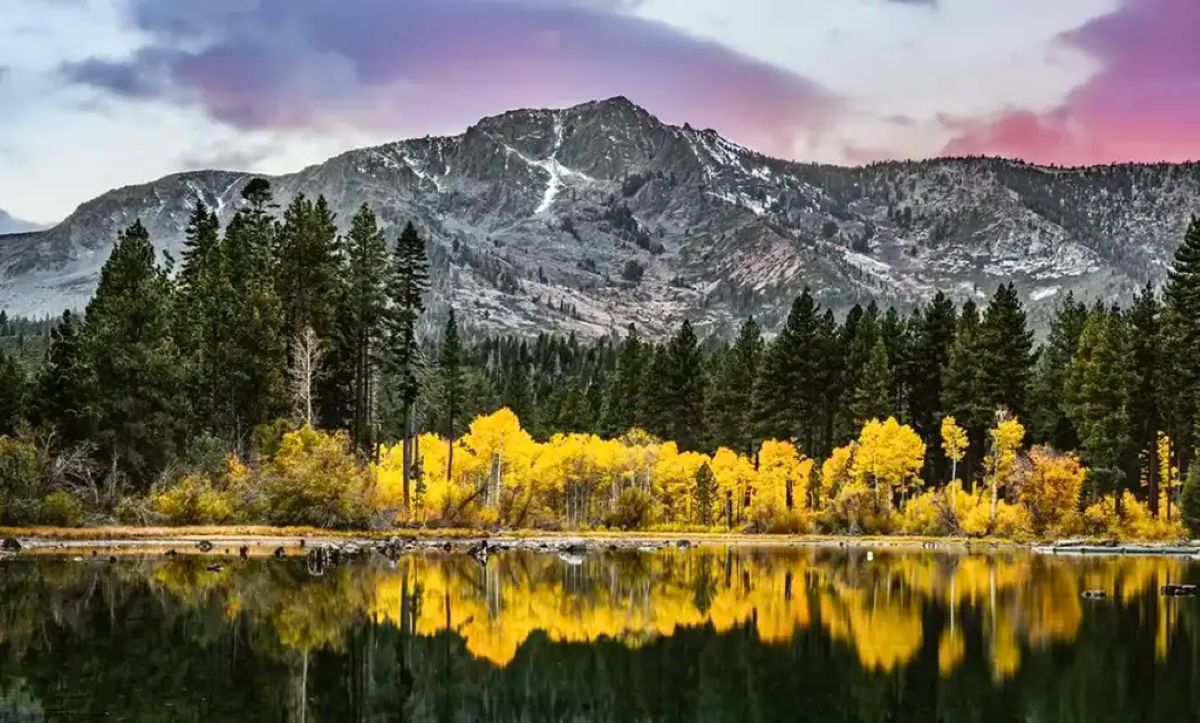
South Lake Tahoe occupies an appealing position on the California–Nevada border, beside Lake Tahoe, North America’s largest alpine lake. Its appeal changes with the calendar, allowing it to attract skiers and snowboarders in winter and hikers, kayakers and paddleboarders during warmer months. Heavenly Mountain Resort and Sierra-at-Tahoe provide established winter attractions, while the lake and surrounding mountains support summer recreation. This combination gives the destination more than one seasonal demand driver.
The area’s transport network also offers a useful indicator of visitor accessibility. Reno–Tahoe International Airport lists more than 20 non-stop destinations and service from 10 airlines, according to its published route information.
These connections give visitors several options for reaching the region, although South Lake Tahoe still requires onward ground transport from the airport.
Airline developments offer another reason to examine the region closely. Reno–Tahoe International Airport announced new Southwest Airlines non-stop service to Nashville, beginning on 1 October 2026, in a February announcement.
Reno-Tahoe International Airport route broadens the airport’s network, although it does not prove that the new service caused South Lake Tahoe’s search increase.
The destination’s next challenge is converting attention into sustainable visitor spending. Travellers should compare ski-season accommodation with summer rates, then check parking, equipment hire and local transport. Weekend demand can also differ sharply from weekday demand, making travel dates as important as the headline room price.
Hyogo Offers Japan Beyond Its Famous Gateways
Hyogo’s 95% search increase makes it the strongest international contender among these four destinations. The prefecture combines historic architecture, mountain landscapes, coastal scenery and hot-spring resorts, giving visitors several ways to build a regional itinerary. Expedia highlights Himeji Castle, Arima Onsen and Kobe beef among its defining attractions.
Himeji Castle is one of Japan’s most celebrated surviving feudal castles. Its white exterior and extensive defensive design make it a significant heritage attraction, while Kobe offers urban dining and waterfront experiences. Arima Onsen provides a contrasting retreat, with traditional hot-spring bathing and Japanese inns. Further north, Kinosaki Onsen offers another established hot-spring experience for travellers willing to explore beyond the main urban centres.
Hyogo’s strength lies in the range of experiences available within one prefecture. Visitors can combine heritage sightseeing with regional cuisine and an overnight stay at a traditional ryokan. However, distances between attractions mean that a carefully planned itinerary matters. A visitor staying in Kobe will have different transport requirements from someone travelling to a more remote onsen town.
For international visitors, Kansai International Airport and Kobe Airport are useful gateways, depending on the itinerary and available flight connections. Rail and road journeys then connect travellers with individual attractions. Travellers should check the full route before booking, particularly if they plan to visit several towns in one trip.
Hyogo also carries a distinction in Expedia’s sustainability framework. The prefecture receives a checkmark under the company’s Smart Travel Health Check, which draws on principles associated with the World Travel & Tourism Council’s sustainable tourism work.
This recognition provides a useful starting point for responsible-travel research, but it is not proof that every itinerary has a lower environmental impact.
Holbox Trades Conventional Resort Travel for Island Life
Holbox recorded a 45% rise in search interest, placing it behind South Lake Tahoe and Hyogo but ahead of no destination in this four-way comparison except those two. The island lies off Mexico’s Yucatán Peninsula and attracts visitors with pale beaches, shallow coastal waters and a relaxed atmosphere. Its car-free character also creates a different experience from larger resort areas built around extensive road networks.
Marine wildlife is one of Holbox’s distinctive attractions. Seasonal whale-shark excursions draw visitors during the warmer months, while bioluminescent waters can provide another reason to explore the island after dark. However, wildlife encounters depend on natural conditions, and responsible operators should follow applicable conservation rules. Visitors should not treat sightings as guaranteed or approach wildlife in ways that disturb it.
The journey requires more planning than a conventional airport-to-hotel transfer. Many international visitors arrive at Cancún International Airport, travel by road to Chiquilá and then take a ferry to Holbox. The onward transfer and crossing add both cost and travel time, so the cheapest flight to Cancún does not necessarily produce the cheapest overall holiday.
Accommodation also deserves careful scrutiny. Island properties range from relatively simple guesthouses to higher-priced boutique hotels, and rates can change with season and availability. Travellers should compare the complete stay cost, including ferry tickets, transfers, meals and excursions. They should also check weather conditions and cancellation terms, particularly during the rainy and hurricane seasons.
Holbox’s growth presents a broader tourism-management question. A small island may have limited infrastructure compared with a major mainland resort, making waste management, freshwater supply and ecosystem protection important considerations. Rising search interest is an opportunity for local businesses, but tourism growth needs to respect the environmental assets that make the island attractive.
Niagara-on-the-Lake Builds on Wine and Heritage
Niagara-on-the-Lake recorded a 35% increase in search interest, matching the growth rate of Perugia in Expedia’s wider 2027 list. The Canadian town offers a different proposition from the other destinations: historic architecture, wineries, restaurants and theatre create an experience centred on culture and slower-paced exploration. Expedia describes its preserved nineteenth-century streets and nearby wineries as key attractions.
Its location in Ontario’s Niagara region also makes it a natural addition to trips that include Niagara Falls. However, the two places offer distinct experiences. Niagara Falls attracts visitors with its dramatic waterfalls and major visitor infrastructure, while Niagara-on-the-Lake encourages longer visits built around wine tasting, heritage streets and cultural events.
The town’s tourism appeal extends beyond summer sightseeing. Spring brings vineyard visits and outdoor dining, while autumn offers harvest-related experiences and colourful scenery. The Shaw Festival adds a theatre dimension to the destination’s cultural calendar. Travellers planning a 2027 visit should confirm performance dates, winery opening schedules and seasonal transport options before fixing their accommodation.
Toronto Pearson International Airport is a major entry point for international visitors, but the onward journey requires attention. Travellers should compare car hire, private transfers and available coach services rather than assuming that proximity to Toronto guarantees a short trip. The best option depends on arrival time, luggage and whether the itinerary includes several wineries.
Niagara-on-the-Lake may suit visitors who prefer a compact town and planned day trips over a resort-style holiday. Yet boutique accommodation and wine experiences can carry premium prices, especially during busy periods. A fair comparison with South Lake Tahoe or Holbox must therefore use matching dates, room standards and trip lengths.
The Wider Tourism Market Gives Hyogo a Timely Advantage
Japan’s national tourism figures provide important context for Hyogo’s rise. The Japan National Tourism Organization recorded 42.68 million international visitor arrivals in 2025, up 15.8% from 36.87 million in 2024. The 2025 total established a new annual record, according to the organisation’s January 2026 release.
These national figures do not establish Hyogo’s individual growth, but they show that the prefecture’s rising Expedia searches coincide with a period of strong inbound tourism across Japan.
The more important question is whether regional destinations can benefit from that national demand. Japan’s tourism authorities have identified regional promotion, higher visitor spending and sustainable tourism as priorities. The Japan National Tourism Organization has also highlighted the need to improve visitor experiences and encourage repeat visits.
Hyogo could benefit if international travellers extend their itineraries beyond familiar gateways and spend more time in regional towns.
For travellers, this creates an opportunity to build a varied itinerary without restricting the entire holiday to one major city. Nevertheless, strong national arrivals can also put pressure on accommodation and transport during popular periods. Visitors should reserve sought-after ryokan stays early and check rail connections before committing to multiple overnight stops.
The Real Cost Test: Compare Complete Trips
Search growth makes a compelling headline, but total holiday cost will determine whether these destinations represent practical alternatives. No verified, matched-date accommodation and airfare audit is available in the evidence assembled for this report. It would therefore be misleading to declare a definitive cheapest destination or publish unsupported hotel averages.
A useful comparison should examine the same trip length, room standard, booking conditions and travel dates. The following framework identifies the main cost drivers travellers should investigate before booking.
| Cost factor | South Lake Tahoe | Hyogo | Holbox | Niagara-on-the-Lake |
|---|---|---|---|---|
| International or regional gateway | Reno–Tahoe or Sacramento, depending on itinerary | Kansai or Kobe, depending on itinerary | Cancún | Toronto Pearson or another suitable regional airport |
| Final transport | Road transfer; winter conditions may matter | Rail and local connections | Road transfer plus ferry | Road transfer or available coach services |
| Accommodation comparison | Ski-season and summer rates | City hotels versus ryokan | Guesthouses versus boutique island stays | Inns versus larger hotels in the wider region |
| Main seasonal price risk | Ski holidays and summer weekends | Cherry blossom and autumn foliage periods | Peak beach demand and holiday dates | Summer and harvest-season demand |
| Additional costs to investigate | Parking, lift passes and equipment hire | Rail fares, onsen access and meals | Ferry fares, transfers and excursions | Winery visits, theatre tickets and transport |
The comparison highlights why a nightly room rate cannot determine value by itself. A cheaper hotel may require a costly transfer, while a higher-priced property could reduce local transport expenses. Travellers should calculate the total for the entire stay, including mandatory taxes and fees.
For a fair 2027 comparison, researchers should sample available properties across several price levels and compare at least one peak period with a shoulder-season period. They should also record the date of every price check, since availability and exchange rates can change rapidly.
Seasonal Timing Can Change the Verdict
Each destination offers a different seasonal advantage. South Lake Tahoe is attractive to winter-sports enthusiasts and summer outdoor travellers, while Hyogo combines spring heritage visits with autumn scenery and winter hot-spring escapes. Holbox appeals to beach travellers and seasonal wildlife enthusiasts, whereas Niagara-on-the-Lake offers vineyard visits, theatre and historic streets across much of the warmer travel season.
The best time to visit depends on the experience sought, not simply on the weather. Cherry blossom and autumn foliage can attract additional demand in Japan, while ski holidays can raise pressure on South Lake Tahoe accommodation. Holbox visitors should weigh wildlife seasons against rainfall and storm risks, and Niagara-on-the-Lake travellers should check winery schedules and theatre performances before booking.
| Destination | Best-fit travel window | Main consideration |
|---|---|---|
| South Lake Tahoe | Winter for snow sports; summer for lake activities | Weather, road conditions and weekend prices |
| Hyogo | Spring and autumn for heritage and scenery; winter for hot springs | Regional connections and seasonal demand |
| Holbox | Dry-season beach breaks; May–September for potential whale-shark excursions | Weather, marine conditions and ferry logistics |
| Niagara-on-the-Lake | Late spring through autumn | Vineyard schedules, theatre dates and harvest demand |
These windows are planning guides rather than guarantees of ideal conditions. Travellers should verify operating dates, local weather forecasts and official event calendars closer to departure. They should also check cancellation policies where seasonal weather could disrupt transport or outdoor activities.
Responsible Travel Becomes a Competitive Differentiator
The rise of these destinations also raises questions about tourism management. Expedia’s Smart Travel Health Check recognises six destinations in its 2027 list, including Hyogo, while South Lake Tahoe, Holbox and Niagara-on-the-Lake do not receive the designation. The framework draws inspiration from World Travel & Tourism Council principles and seeks to identify destinations that offer meaningful experiences while managing tourism responsibly.
The distinction should not be interpreted as a definitive environmental ranking. A missing checkmark does not prove that a destination performs poorly, just as recognition does not establish that every visitor activity is sustainable. Local transport, conservation measures, infrastructure capacity and the distribution of tourism spending require separate examination.
For visitors, practical choices can make a difference. Using public transport where feasible, respecting wildlife rules, booking responsible excursions and supporting locally owned businesses can help distribute tourism benefits. In sensitive island environments such as Holbox, travellers should also consider waste disposal and water use. In mountain destinations, they should follow local guidance on trails, wildfire risks and protected areas.
The industry has an opportunity to turn rising interest into longer stays and wider regional spending. However, destination marketing must be matched by transport capacity, accommodation availability and investment in local infrastructure. Search growth is useful as an early signal, but destination managers need actual visitor and spending data to assess its effects.
What Travellers Should Check Before Booking
The most useful comparison is not a universal ranking. It is a decision based on each traveller’s budget, preferred activities, available time and tolerance for complex transfers.
South Lake Tahoe is the natural starting point for travellers seeking mountain scenery, lake recreation and winter sports. Hyogo offers a strong alternative for those interested in Japanese heritage, regional cuisine and hot-spring stays. Holbox suits travellers prioritising beaches and island experiences, while Niagara-on-the-Lake appeals to visitors who prefer wineries, cultural attractions and a slower pace.
International visitors should also check entry requirements, travel insurance, local transport and payment arrangements. Anyone visiting Holbox should confirm ferry schedules and transfer arrangements, while travellers heading to South Lake Tahoe in winter should check road conditions and any relevant vehicle requirements. Visitors planning a multi-stop trip through Hyogo should verify rail connections, and those visiting Niagara-on-the-Lake should confirm transport between their accommodation and wineries.
The final booking decision should rest on the complete itinerary rather than the destination’s ranking. A growing search figure can identify a place worth investigating, but it cannot establish affordability, convenience or suitability for an individual holiday.
Four Destinations, Four Different Opportunities
Expedia’s 2027 figures place South Lake Tahoe firmly at the front of this four-destination comparison, with search growth of 195%. Hyogo follows at 95%, while Holbox and Niagara-on-the-Lake record increases of 45% and 35%, respectively. The results show that travellers are researching a varied mix of outdoor adventure, Japanese culture, tropical island escapes and Canadian wine-country experiences.
However, the fastest-growing destination is not automatically the best-value holiday. A meaningful comparison must account for flights, onward transport, accommodation, seasonal conditions and activities. For travel businesses, the figures offer an early demand signal; for visitors, they provide a shortlist worth researching before committing to a booking.
The post United States Stands Alongside Japan and Other Rising Destinations as Expedia Reveals a 195% Travel Search Surge appeared first on Travel and Tour World




































































