



12 Common Mistakes Tourists Make in Paris (and How to Avoid Them)

Common Mistakes Tourists Make in Paris
-
Travel, Food, Culture
-
-
17 mins
-
Out of Town Blog
-
Team Out of Town
-


Paris is one of the world’s most beautiful and rewarding cities—but it’s also one of the easiest to misunderstand. Many first-time visitors arrive with sky?high expectations shaped by movies, Instagram, and glossy travel brochures, only to end up stuck in long queues, confused by public transport, paying too much for mediocre meals, or running into […]
12 Common Mistakes Tourists Make in Paris (and How to Avoid Them)
Paris is one of the world’s most beautiful and rewarding cities—but it’s also one of the easiest to misunderstand. Many first-time visitors arrive with sky?high expectations shaped by movies, Instagram, and glossy travel brochures, only to end up stuck in long queues, confused by public transport, paying too much for mediocre meals, or running into cultural misunderstandings that could have been easily avoided.
Common Mistakes Tourists Make in Paris
After several trips to Paris, I’ve realized that enjoying the City of Light isn’t about racing from one famous landmark to the next. It’s about slowing down and understanding how locals actually live. Whether you’re planning your very first visit or coming back for a repeat adventure, steering clear of these common mistakes can save you time, money, and unnecessary stress.
Here are twelve of the most common mistakes tourists make in Paris—and what to do instead.
1. Trying to Visit Every Attraction in Just a Few Days

Experience Paris Like a Local
One of the biggest mistakes first-time visitors make is trying to cram every major attraction into a two- or three-day trip. Paris is much larger and more spread out than many people expect, and getting from one neighborhood to another often takes more time than it looks like on a map.
On paper, a day that starts at the Eiffel Tower, continues to the Louvre, then finishes in Montmartre before dinner might sound doable. In reality, you’ll spend much of your day walking, waiting in lines, and riding the Metro instead of actually enjoying where you are.
Paris rewards slow travel. Each arrondissement has its own personality—from grand boulevards to tiny side streets lined with bakeries, bookstores, and cozy cafés. If your itinerary is packed too tightly, you’ll miss these simple, everyday moments that often become the highlight of a Paris trip.
Instead, plan your days by neighborhood. Devote a full day to areas like Le Marais, Saint-Germain-des-Prés, or Montmartre rather than crisscrossing the entire city. Build in time for wandering, people-watching at a café terrace, and leisurely walks along the Seine. You’ll experience Paris more like a local—and feel less exhausted at the end of the day.
2. Not Booking Popular Attractions in Advance
Many travelers assume they can just show up and buy tickets at iconic sights like the Eiffel Tower, the Louvre, Sainte-Chapelle, or the Palace of Versailles. But Paris is one of the world’s busiest tourist destinations, and popular time slots often sell out weeks—or even months—in advance, especially in spring, summer, around Christmas, and during school holidays.
Without advance reservations, you might spend hours standing in ticket lines, only to discover that the day’s entry is sold out. Some visitors end up paying more for last-minute guided tours simply because regular tickets are no longer available.
Planning ahead makes a huge difference. As soon as your travel dates are confirmed, book your tickets online. Morning time slots usually mean fewer crowds, and weekdays are generally quieter than weekends. If you plan to visit several museums, check whether a museum pass will save you money compared to buying individual tickets. A bit of advance planning lets you spend more of your trip enjoying Paris, not waiting in queues.
3. Eating at Restaurants Right Beside Major Tourist Attractions
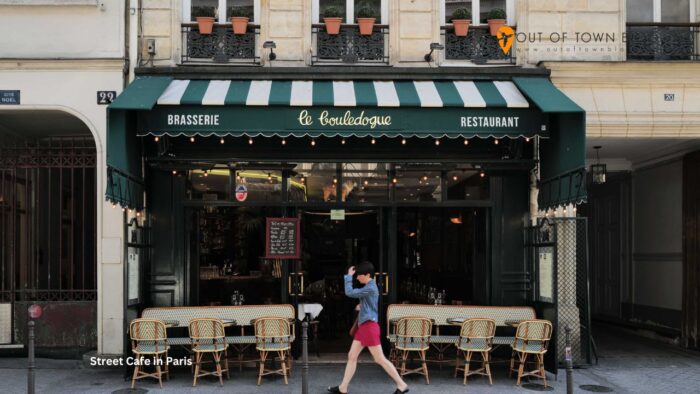
Street Cafe in Paris
The cafés and restaurants right next to famous landmarks are tempting—for the convenience and the views. But those prime locations often come with inflated prices and very average food. Many of these places are designed with tourists in mind, not with a focus on authentic French cooking.
Too many visitors finish a pricey, forgettable meal and decide French food is overrated, when in reality they’ve simply chosen restaurants that rely on location rather than quality.
One of the real pleasures of Paris is discovering neighborhood bistros, traditional brasseries, family-run restaurants, and local bakeries just a few streets away from the main sights. Often, walking just five or ten minutes away from a landmark leads you to better food at more reasonable prices.
Before your trip, do a bit of restaurant research—or once you’re there, wander into quieter side streets. Look for spots filled with locals instead of big tour groups. Lunch menus (formules or menus du jour) often offer excellent value and a chance to try classic French dishes. A memorable meal in Paris doesn’t need to be fancy or expensive—it just needs the right setting and a kitchen that cares.
4. Ignoring Basic French Courtesy
Many travelers come home convinced that Parisians are rude or unfriendly. In most cases, the problem isn’t the people—it’s a simple cultural misunderstanding.
In France, basic greetings are extremely important. Walking into a bakery, café, boutique, or pharmacy and jumping straight into an order or question without saying hello can come across as impolite.
Start every interaction with a friendly “Bonjour” (or “Bonsoir” in the evening), then continue with whatever you need. When you leave, a simple “Merci, au revoir” goes a long way. Even a small effort with basic phrases is usually appreciated.
You don’t need to be fluent. Learning a handful of expressions—like “Bonjour,” “Bonsoir,” “Merci,” “S’il vous plaît,” “Excusez-moi,” and “Parlez-vous anglais ?”—shows respect for the local culture. These tiny gestures often lead to warmer service, better recommendations, and more pleasant interactions throughout your stay.
5. Only Visiting the Famous Tourist Landmarks

Travel Guide to Paris, France
The Eiffel Tower, Notre-Dame, the Arc de Triomphe, and the Louvre are famous for a reason. But if your entire trip is focused only on those icons, you’ll miss the quieter, more intimate side of Paris that many locals love most.
Some of the city’s most memorable moments happen away from the crowds: in hidden courtyards, neighborhood food markets, along peaceful stretches of canal, in independent bookshops, or in small gardens tucked between buildings.
Areas like Canal Saint-Martin, Butte-aux-Cailles, Belleville, and Rue Montorgueil offer a glimpse of everyday Paris—places where people shop, meet friends, and spend their weekends.
Try to balance your itinerary. Visit the big names in the morning, then spend your afternoons wandering lesser-known neighborhoods with no fixed agenda. You’ll come home with stories and memories that go far beyond the classic postcard shots.
6. Taking Taxis Everywhere Instead of Using Public Transportation

Paris Metro
It’s easy to assume that taxis are the simplest way to get around Paris, especially if you’re unfamiliar with the city. But relying mainly on taxis can become expensive very quickly—and during rush hour, you may find yourself stuck in traffic while the meter keeps ticking.
Paris has one of Europe’s most efficient public transport systems. The Metro covers almost every part of the city, trains run frequently, and most major attractions are within a short walk of a station.
Spend a little time before your trip learning how the Metro works. Download an offline map, note the main lines you’ll use, and familiarize yourself with station names. Consider getting a travel pass that matches your length of stay and travel habits.
And don’t forget: Paris is a wonderful city to explore on foot. Many of its prettiest streets, bridges, and buildings are best enjoyed at a walking pace. Often, the walk between two attractions becomes just as memorable as the places themselves.
7. Wearing Uncomfortable Shoes
Paris is a walking city. It’s very common for visitors to log 15,000–25,000 steps a day without noticing—between cobblestone streets, museum visits, Metro transfers, and long riverside strolls.
A classic mistake is packing shoes that look great in photos but aren’t made for hours of walking. A few blisters on day one can easily affect the rest of your trip and may even cause you to cancel plans.
Bring comfortable walking shoes that are already broken in. If you’d like something more stylish for dinner or nights out, pack a separate pair instead of wearing them all day.
Don’t underestimate how physically demanding exploring Paris can be. Happy feet mean you can climb viewpoints like Sacré-Cœur, spend full days wandering, and say yes to spontaneous detours—without worrying about sore toes.
8. Underestimating Pickpockets

Avoid Pickpockets
Paris is generally a safe city, but like any major tourist destination, petty theft can be a problem in crowded areas. Busy Metro lines, large stations, famous attractions, public squares, and popular shopping streets are all common spots for pickpockets.
Most incidents happen when travelers are distracted—taking photos, checking maps, or standing in tight crowds with phones or wallets in easy reach.
A few simple precautions make a big difference. Use a bag that closes securely and wear it in front of you, especially in crowded places. Avoid keeping your phone or wallet in a back pocket. Try not to flash large amounts of cash, and be cautious if someone tries very hard to get your attention with petitions, “games,” or overly friendly conversations.
Whenever possible, leave passports and extra cards in your hotel safe and carry only what you need for the day. Staying alert doesn’t mean being paranoid—it simply lets you relax and enjoy the city with more peace of mind.
9. Visiting During Peak Hours Without a Plan
Another common mistake is showing up at major attractions right in the middle of the day—exactly when everyone else arrives. This usually means the longest queues, the most crowded viewing platforms, and the busiest cafés.
Timing can transform your Paris experience.
If you can, aim to visit top sights shortly after they open or later in the afternoon when crowds begin to thin. Weekdays are generally calmer than weekends. Popular photo spots around the Eiffel Tower or the Louvre are often far quieter first thing in the morning.
By planning around busy hours, you’ll not only enjoy a more relaxed visit—you’ll also have a better chance of getting those beautiful photos without a sea of people in the background.
10. Shopping Only Along the Most Touristy Streets
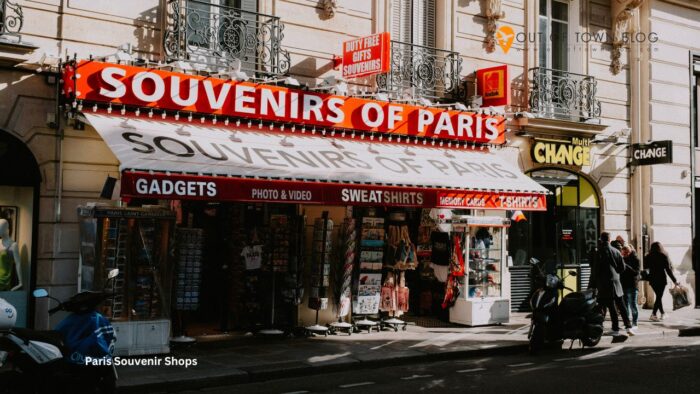
Paris Souvenir Shops
Sticking to souvenir shops right next to major landmarks is another easy trap. Prices are often higher there, and many items are mass-produced rather than locally made.
Paris is an amazing city for shopping if you venture just a little bit beyond the obvious. Local markets, independent boutiques, artisan chocolatiers, specialty food shops, bookstores, and small fashion boutiques all offer more original finds.
If you’re looking for gifts or souvenirs, consider items like gourmet foods, French skincare products, handmade crafts, vintage pieces, or books from historic bookshops. Neighborhood shopping streets often hide unique treasures you’ll never find near the most touristed areas.
You’ll return home with more meaningful souvenirs—while also supporting local businesses.
11. Expecting Paris to Be Exactly Like the Movies
Many people arrive in Paris imagining that every corner will look like a romantic film set: quiet cobblestone streets, accordion music, and perfect café terraces on every block.
Paris is beautiful, but it’s also a working, modern city. Not every street is picture-perfect. Some Metro stations are crowded, some areas are noisy or under construction, and like any big city, there are moments of traffic, delays, and everyday chaos.
Managing your expectations helps you appreciate the real Paris rather than constantly comparing it to a movie version. The city’s true magic often appears in smaller, unscripted moments—a calm early morning in a neighborhood bakery, sunset along the Seine, or stumbling upon a hidden courtyard while wandering aimlessly.
Keeping an open mind allows you to enjoy Paris as it is, not just as you imagined it.
12. Forgetting to Slow Down and Simply Enjoy Paris
Maybe the biggest mistake of all is treating Paris like a checklist instead of an experience.
It’s easy to spend your whole trip racing between attractions, refreshing maps, checking opening times, and posting on social media. But if you never stop to breathe and look around, you’ll likely go home feeling more tired than inspired.
Paris is a city meant to be savored. Give yourself permission to sit at a café terrace with no agenda, lingering over a coffee or a glass of wine. Browse independent bookstores. Watch the boats pass along the Seine. Pick up fresh pastries from a local boulangerie. Relax in a park where Parisians gather with friends and family.
Build space into your itinerary for unplanned moments. Some of the best memories happen when you let yourself get a little lost, follow an interesting side street, or strike up a conversation with someone local.
The beauty of Paris isn’t only in its monuments—it’s in its atmosphere, its everyday rhythm, and its quiet details. Slow down, welcome the unexpected, and you’ll understand why so many people dream of returning again and again.
Final Thoughts
Paris rewards curious travelers who are willing to look beyond its postcard-perfect image. By planning ahead, respecting local customs, making the most of public transport, staying aware of your surroundings, and leaving time to simply wander, you’ll avoid many of the frustrations first-time visitors often face.
Instead of trying to see absolutely everything, focus on enjoying each moment. Stroll through residential neighborhoods, savor real French cuisine, admire centuries-old architecture, and let the city’s pace guide you.
With the right mindset, your first trip to Paris won’t just live up to your expectations—it will have you planning your return before you’ve even boarded the flight home.
Paris Travel Tour Packages You Should Try
<script type="text/javascript"></p> <p> (function (d, sc, u) {</p> <p> var s = d.createElement(sc),</p> <p> p = d.getElementsByTagName(sc)[0];</p> <p> s.type = "text/javascript";</p> <p> s.async = true;</p> <p> s.src = u;</p> <p> p.parentNode.insertBefore(s, p);</p> <p> })(</p> <p> document,</p> <p> "script",</p> <p> "https://affiliate.klook.com/widget/fetch-iframe-init.js"</p> <p> );</p> <p></script>
Follow and subscribe to OutofTownBlog.com on Facebook , Twitter, Instagram, Pinterest, and YouTube for more Travel-related updates.
Read:
- Top Tourist Scams in Paris and How to Avoid Them
- 12 of the Most Beautiful Destinations in France
- Visiting Seoul for the First Time — 12 Tips to Make the Most of Your Trip
- 15 Insider Tips to Help First-Time Visitors Navigate Paris Like a Local
- 12 of The Best Airbnbs in Paris for Every Style and Budget
- One Night in Paris
- The Biggest Tourist Traps in Paris
- 12 Tourist Mistakes Everyone Makes in Seoul
12 Common Mistakes Tourists Make in Paris (and How to Avoid Them)
The post 12 Common Mistakes Tourists Make in Paris (and How to Avoid Them) appeared first on Out of Town Blog