



Revised Atlantic hurricane season forecast for named storms revealed as brewing Super El Niño intensifies
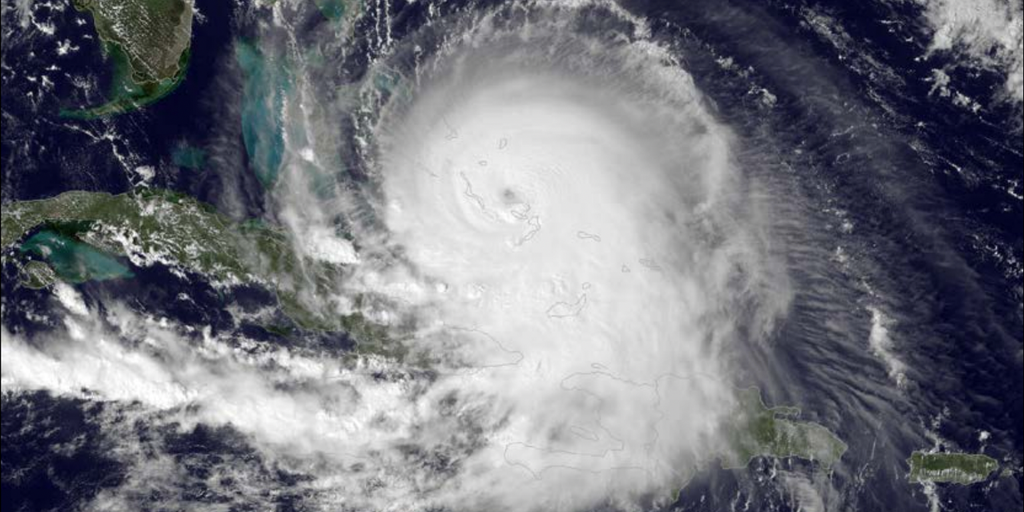

Colorado State University (CSU) again lowered its Atlantic hurricane season forecast Wednesday, citing the high potential for a very strong El Niño during the peak of the season.
Colorado State University (CSU) again lowered its Atlantic hurricane season forecast Wednesday, citing the high potential for a very strong El Niño during the peak of the season.
CSU pioneered seasonal Atlantic hurricane forecasts beginning in 1984.
The revised CSU forecast calls for 9 named storms, 4 hurricanes, including 1 major (Category 3 or stronger) hurricane this year — down from its June forecast of 11 named storms, 5 hurricanes and 2 major storms.
In comparison, an average Atlantic hurricane season produces 14 named storms, including 7 hurricanes and 3 major hurricanes.
WHAT’S THE DIFFERENCE BETWEEN A TROPICAL DEPRESSION, TROPICAL STORM AND HURRICANE?
This updated outlook still remains in line with NOAA's seasonal forecast and includes Tropical Storm Arthur, the lone named storm to form in the Atlantic thus far.
El Niño is typically associated with fewer hurricanes in the Atlantic.
It is one of three phases of a climate cycle called the El Niño-Southern Oscillation (ENSO). It describes natural temperature changes in the central Pacific Ocean that alter atmospheric circulation and can greatly influence global weather.
NEW DATA REVEALS 100% CHANCE OF STRONG ‘SUPER’ EL NINO FORMING THIS YEAR
El Niño describes warmer than average water across the equatorial Pacific, while La Niña describes colder than average water conditions, and ENSO neutral refers to a state where temperatures are close to average.
During El Niño, above-average water temperatures in the central and eastern Pacific Ocean alter the position and strength of the subtropical jet stream. It's typically more robust and extends well into the Caribbean and Atlantic Ocean. Think of the subtropical jet stream as a belt of very fast winds high in the atmosphere.
It's these strong winds that hinder tropical development in the Atlantic during an El Niño. Hurricanes like very calm conditions.
El Niño events typically enhance development in the Eastern Pacific due to the warm water temperatures.
EL NIÑO SURGES TOWARD 'MONSTER' TERRITORY, SIGNALING AN ACTIVE WINTER FOR EAST AND WEST COASTS
When water temperatures in the El Niño zone reach at least 2 degrees Celsius above average for at least three consecutive months, it is considered a Super El Niño. These events are not as common as a typical El Niño and have a massive influence not only on the Atlantic hurricane season, but also other weather patterns around the globe.
Taken in a vacuum, the stronger the El Niño event, the more wind will be present to limit storm development.
CSU states a moderate El Niño is already present and is very likely to reach a strong El Niño (greater than 1.5°C) by the peak of Atlantic hurricane season from mid-August through mid-October.
However, many other factors outside of El Niño can impact Atlantic hurricane activity, most notably water temperatures in the tropical Atlantic.
Generally, water temperatures need to be above 80 degrees Fahrenheit to sustain tropical development.
Right now, the tropical Atlantic is close to average or just below average for this time of the year, meaning the basin is not getting the extra boost from warmer waters compared to previous seasons.
HERE'S HOW EL NIÑO AFFECTS THE FUTURE OF CORAL REEFS
According to CSU, the probability of a major hurricane making landfall anywhere along the U.S. coastline this year has dropped to 17%, down from 24% in June and well below the historical average of 43% from 1880 to 2020.
The university will issue a mid-season forecast in August.
Beyond these projections, both CSU forecasters and FOX Weather Hurricane Specialist Bryan Norcross cautioned that even in seasons with fewer storms, it only takes one to create major impacts.
The post Revised Atlantic hurricane season forecast for named storms revealed as brewing Super El Niño intensifies appeared first on Fox Weather