





Chile Unites Peru, Brazil, Uruguay, Colombia, And Argentina As The Continent Becomes A Global Sports Travel Mecca While A Groundbreaking Surge In Immersive Athletic Pilgrimages Is Rewriting The Entire Future Of Discovery In South America
-
Travel, Entertainment, Culture
-
-
13 mins
-
Travel and Tour World
-
Upasana Chatterjee
-


Chile unites South American nations, turning the continent into a global sports travel hub. Discover the surge in immersive athletic pilgrimages shaping South America's tourism future.
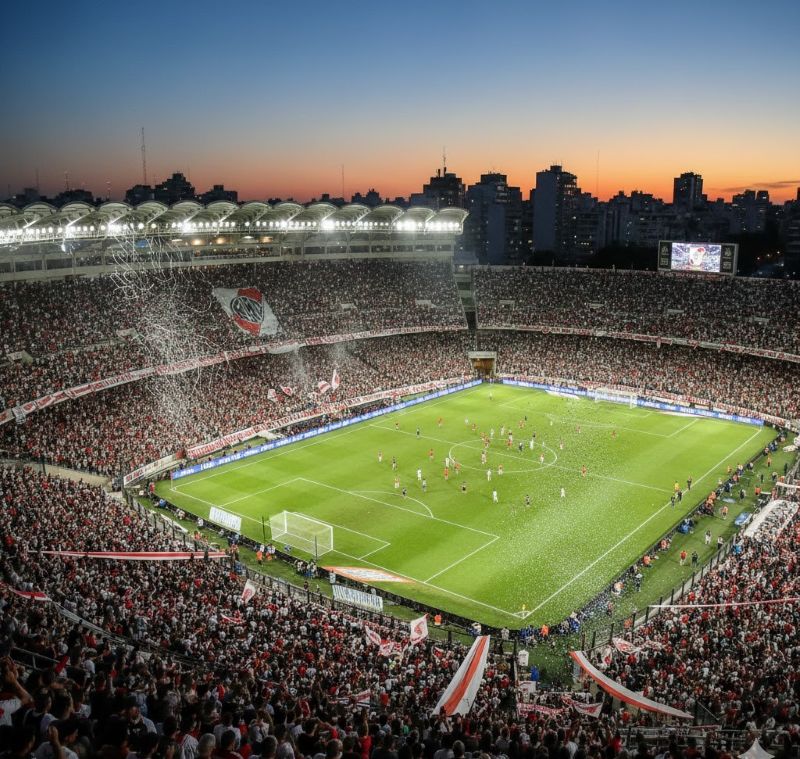
Chile Unites Peru, Brazil, Uruguay, Colombia, And Argentina As The Continent Becomes A Global Sports Travel Mecca While A Groundbreaking Surge In Immersive Athletic Pilgrimages Is Rewriting The Entire Future Of Discovery In South America. This shift is not only boosting the sports tourism sector but also transforming the entire tourism landscape across South America.
With the rise of major sporting events, coupled with a rich culture of athletic excellence, the continent is positioning itself as a top destination for those seeking unique, hands-on sporting experiences. Countries like Brazil and Argentina have long been known for their sporting passion, while Chile is leading the charge with its focus on inclusive sports and sustainable tourism. Meanwhile, Colombia and Uruguay are adding their own flair with adventurous offerings like cycling, mountain trekking, and rugby.
This immersive athletic pilgrimage trend is pushing the boundaries of what travel can be, blending the excitement of live sports events with cultural and historical exploration. South America is rapidly becoming a hub for tourists who seek more than just sightseeing—they are now on a quest for active participation, cultural immersion, and unforgettable experiences in the world of sports. As a result, Chile and its neighboring countries are rewriting the future of discovery, making sports tourism a key player in the continent’s economic and cultural revival.
Brazil: The Engine of South America’s Tourism Surge
Brazil’s Record-Breaking Growth in Tourism
Brazil, long a dominant force in Latin American tourism, has witnessed extraordinary growth in recent years, establishing itself as one of the most prominent tourism destinations in the world. In February 2025, Brazil achieved an impressive milestone, with over $823 million in foreign tourist spending, marking a 22% increase compared to the previous year. This increase highlights Brazil’s rising prominence on the international tourism map and the effectiveness of the strategies employed by Embratur, the Brazilian Agency for International Tourism Promotion.
With Rio de Janeiro, São Paulo, and Brasília at the forefront, Brazil’s diverse and iconic offerings continue to captivate tourists. The country’s natural wonders, from the Amazon Rainforest to the Iguazu Falls, combined with its cultural vibrancy—such as the world-famous Carnival in Rio and the ever-growing culinary scene—attract millions of visitors every year.
Infrastructure and Mega-Events Fueling Growth
Brazil’s tourism success is deeply tied to its world-class infrastructure, much of which was developed following mega-events like the 2014 FIFA World Cup and the 2016 Olympic Games. The legacy of these events is evident in the advanced stadiums, modern transportation networks, and luxurious accommodation facilities that continue to serve the growing number of international tourists.
Capitalizing on these assets, Brazil hosts a wide variety of international sports events, from international football qualifiers to UFC bouts, which contribute significantly to the growth of sports tourism. Additionally, the 2026 UN Tourism Summit, which will take place in Rio de Janeiro, is poised to solidify Brazil’s role as a global tourism hub. This summit will showcase Brazil’s ability to seamlessly integrate sports diplomacy into its tourism agenda, further boosting Brazil’s standing on the global stage.
Brazil’s sports tourism sector is experiencing a 12.9% Compound Annual Growth Rate (CAGR), a testament to the country’s focus on attracting global sports fans and leveraging its infrastructure to host world-class sporting events.
Argentina: A Destination for International Events and Sports Tourism
Argentina’s Strategic Position as the Event Capital of South America
Argentina’s approach to tourism has shifted towards becoming South America’s Event Capital. Despite facing economic fluctuations, Argentina continues to build its reputation as a hub for international sporting events. The XIII South American Games in 2026, hosted across the cities of Rosario, Santa Fe, and Rafaela, will see 15 nations compete in a wide variety of sports. One of the most exciting aspects of this event is the introduction of cricket, a sport gaining traction in the region, which will add a fresh dimension to South America’s sporting scene.
The Argentine government has also introduced initiatives such as the Large Investment Incentive Regime (RIGI) to accelerate infrastructure development, particularly in regional airports and stadium facilities. Argentina’s competitive exchange rate has made it an attractive destination for regional sports tourists, particularly those from Brazil and Chile, driving growth in sports tourism.
Building a Sustainable Infrastructure for the Future
Argentina’s commitment to modernizing its infrastructure positions the country for continued tourism growth. By improving the accessibility of its major cities and sporting venues, Argentina aims to further solidify its role as an event powerhouse in the region. These investments, paired with the country’s affordable travel options, make it an ideal destination for sports fans, international visitors, and general tourists alike.
Colombia: The Rising Star of Active Tourism
Colombia’s Breakthrough Year in Tourism
2025 was a transformative year for Colombia, which surpassed 10 million international arrivals for the first time. Tourism now contributes 4.5% to 5% of Colombia’s GDP, generating an impressive $21.6 billion in revenue. Bogotá remains the primary hub for tourism, but Medellín has gained significant attention, showing 9.3% growth. This increase is due to the city’s focus on hosting international sports events and fostering a thriving cultural scene that draws tourists from across the globe.
Active Tourism: Colombia’s Competitive Edge
Colombia’s focus on active tourism has been a major factor in its tourism success. The country’s diverse terrain—ranging from mountains and rainforests to beaches—makes it a prime location for outdoor adventure sports such as cycling, mountain trekking, and rock climbing. The Colombian government has capitalized on its natural assets to position the country as a destination for adventure and sports tourism enthusiasts. From the Andes mountains to the Caribbean coastline, Colombia offers a range of active tourism experiences for tourists looking for a dynamic vacation.
Chile: Leading the Charge in Inclusive Sports Tourism
Chile’s Commitment to Inclusive Sports
Chile has positioned itself as a leader in inclusive sports tourism, with the launch of the “Santiago Roadmap for Inclusive Sport” in collaboration with UNESCO. By 2026, Chile aims to become the top global destination for Para-sports and inclusive physical education events. This forward-thinking approach to tourism has already attracted a number of international events, marking a significant shift towards inclusivity within the sports tourism sector.
Chile’s Soft Power and Sports Management Growth
In addition to its focus on inclusive sports, Chile’s reputation as a regional soft power continues to grow. Ranked as the 3rd most valuable country brand in Latin America, Chile is leveraging its image to attract international marathons, high-altitude training camps, and sports management conferences. This growing influence is contributing to the expansion of sports tourism, with the country’s $3 billion in service exports for 2025 serving as a testament to its rising importance in the global sports tourism market.
Peru: Infrastructure Expansion and Active Tourism
Peru’s Infrastructure Investment for Tourism Growth
Peru is investing heavily in its tourism infrastructure, with $22 billion allocated for development projects aimed at boosting international tourism. The National Sustainable Infrastructure Plan for Competitiveness (2022–2025) is focused on improving key infrastructure, including the expansion of the Port of Callao and the development of regional airports. These projects are designed to enhance Peru’s ability to cater to growing numbers of international tourists attending major events and participating in adventure tourism activities.

Combining Cultural Heritage with Adventure Tourism
Peru’s unique combination of cultural heritage and active tourism experiences sets it apart from other destinations. Machu Picchu, the world-renowned Incan citadel, remains one of Peru’s biggest draws. However, the country is expanding its offerings by developing opportunities for surfing, trail running, and mountain trekking. The government’s development of the Choquequirao cable cars project will provide greater access to the Choquequirao Archaeological Complex, opening up new avenues for cultural tourism.
Peru’s focus on active tourism, coupled with its rich history, ensures the country continues to attract adventure seekers while preserving its cultural heritage.
Uruguay: Stability and Sustainability in Sports Tourism
Uruguay’s Sustainable Sports Tourism Initiatives
Uruguay is making a significant mark in sports tourism, focusing on sustainability and athlete development. Through initiatives like Uruguay Sports, the country is leveraging its stable political environment and commitment to eco-friendly tourism to attract international sports enthusiasts and eco-conscious travelers. Uruguay is embracing sports science and high-performance athlete training as key elements of its tourism offering, creating a niche market for sustainable sports tourism.
Uruguay’s Infrastructure and Event Calendar for 2026
Uruguay is preparing for a busy tourism calendar in 2026, with regional championships and international youth festivals lined up. The country’s reputation for safety, high-quality infrastructure, and political stability makes it a top choice for international tourists looking for a unique combination of sports excellence and sustainable tourism. Uruguay’s high investment in infrastructure ensures that the country is well-equipped to handle large-scale events, while its commitment to sustainability provides a fresh appeal for environmentally conscious travelers.
What Exactly is Sports Tourism?
Sports tourism is a rapidly growing sector within the global travel industry, where people travel to participate in or watch sporting events. This tourism category doesn’t just refer to spectators of traditional sports like football, tennis, or basketball; it also includes those traveling for niche activities such as extreme sports, motor racing, golf, and eSports. As a form of active tourism, it’s increasingly becoming a key economic driver for many countries worldwide, with South America positioning itself as a burgeoning hub for this segment.
Unlike conventional tourism, where tourists are attracted primarily by destinations’ landscapes, cultural offerings, or relaxation opportunities, sports tourism is all about leveraging sports events, the thrill of participation, and the immersive experiences that fans and athletes seek. For South America, a continent with a rich history of sports like football (soccer), rugby, basketball, and volleyball, the rise of sports tourism is revolutionizing the entire region’s tourism industry.
Sport Becomes the New Powerhouse
South America has long been known for its cultural vibrancy, natural landscapes, and historical significance. However, in recent years, sports tourism has emerged as a powerhouse that is not only drawing millions of international visitors but is also contributing significantly to the local economies. Nations such as Brazil, Argentina, Colombia, Chile, Peru, and Uruguay have all been capitalizing on their sports infrastructure to boost tourism.
Brazil, home to iconic football teams like Flamengo and São Paulo FC, and major sporting events like the FIFA World Cup and Olympic Games, has been leveraging its world-class stadiums, such as the Maracanã in Rio de Janeiro, to host international tournaments and sports tourism events. Similarly, Argentina—a football powerhouse with stars like Lionel Messi—hosts world-renowned football competitions, attracting tourists year-round.
The 2022 Copa América in Argentina and Brazil’s Rio Carnival (which also features competitive sports like samba dance competitions and beach volleyball) are just a few examples where sports and culture seamlessly blend, driving huge waves of visitors.
These events contribute not only to the hospitality industry but also elevate the infrastructure development needed for sports tourism, leading to better facilities and access for travelers, which, in turn, nurtures long-term economic growth.
Why Sports Tourism is Important
Sports tourism isn’t just about attracting fans to major events. It plays an important role in economic diversification, job creation, and infrastructure development. It’s a unique catalyst for tourism because it impacts multiple sectors simultaneously, including hospitality, transport, retail, and entertainment. South America is positioning itself as a leading global sports tourism destination due to its geographic advantage, vibrant sports culture, and increasing investment in facilities.
For countries like Brazil, Argentina, and Chile, sports tourism provides an invaluable opportunity to diversify their tourism offerings beyond traditional attractions like beaches, cities, and historical sites. By hosting high-profile events like Formula E races in Santiago, UFC fights in São Paulo, and the South American Games in Argentina, these countries create a massive ripple effect that boosts tourism revenue, increases global visibility, and creates economic opportunities for local businesses.
Sports tourism is important because it:
- Drives economic growth: Major sporting events attract fans, sponsors, and global media attention, creating long-term financial benefits for host cities and countries.
- Enhances the destination brand: Hosting large-scale sports events boosts a nation’s reputation, attracting future investments in infrastructure and tourism.
- Encourages the development of sports infrastructure: Investments in sports venues, transportation systems, and accommodations to host international events improve the overall tourism experience for all visitors, even those not attending events.
Why Sports Tourism is a Game Changer for South America’s Economy
Sports tourism is reshaping South America by blending its rich sports culture with the continent’s emerging status as a global tourism hotspot. Countries are not only increasing the number of international sports events but are also building the necessary infrastructure and strategic partnerships to ensure long-term growth.
Brazil, the largest country in South America, offers a prime example of how sports tourism can transform a country’s global position. Hosting events like World Cup qualifiers, Copa Libertadores matches, and international rugby tournaments in cities such as São Paulo, Rio de Janeiro, and Belo Horizonte generates millions of dollars annually. The country’s significant investment in stadiums like Arena Corinthians and Maracanã Stadium positions it as a global sports leader, bringing in tourism dollars and bolstering local economies.

Similarly, Argentina has built a reputation as the sports capital of South America, with events such as the Copa América football tournament and rugby competitions being hosted in Buenos Aires and Cordoba. Argentina is also capitalizing on the growing popularity of eSports, hosting competitions like the LVP Argentina League that attract international tourists.
Colombia, meanwhile, is promoting itself as a rising star for adventure tourism, capitalizing on its rugged landscapes for mountain biking, trekking, and cycling tours. The country’s growing tourism numbers are linked to its embrace of active tourism, with Medellín emerging as a key destination for sports enthusiasts.
Chile is making its mark as a leader in sustainable sports tourism, hosting Para-sports, high-altitude training camps, and international marathons, making it a sought-after destination for sports tourists looking for both adventure and sustainability.
How Does Sports Tourism Drive “Commercial Diplomacy”?
Sports diplomacy plays a critical role in reshaping South America’s standing on the world stage. By hosting global sports events and encouraging international participation, South American countries engage in what’s known as commercial diplomacy—using sports to build partnerships, attract foreign investment, and open doors for tourism and trade.
When countries like Brazil host major sporting events, they are not just showcasing their sports culture; they are making diplomatic statements, building ties with global stakeholders, and attracting international sponsors. This influx of business interest and sports-related commercial investments creates a positive feedback loop of growth, with the tourism sector reaping the rewards of increased international exposure.
For example, Argentina’s decision to host the South American Games in 2026 is a clear example of using sports as a diplomatic tool. By bringing together 15 countries from across the region, it positions Argentina as a key sports and tourism hub and strengthens diplomatic and economic ties within South America. These events provide opportunities for governments to negotiate bilateral agreements, trade partnerships, and tourism initiatives that benefit local economies.
Furthermore, Chile’s commitment to inclusive sports positions the country as a model for social diplomacy, with global organizations looking to build partnerships to promote equal opportunities in sports. Hosting Para-sports events and international marathons elevates Chile’s status as a nation committed to both sports and social progress, attracting both international competitors and tourists.
How Is the “Fan-Data Loop” Personalizing the South American Experience?
In today’s digital age, the fan-data loop is playing a pivotal role in personalizing the sports tourism experience for global visitors. South American countries are increasingly turning to big data and personalization technologies to enhance the fan experience, making it more engaging and tailored to individual preferences.
The fan-data loop involves gathering data from fans and tourists—whether through ticket purchases, mobile apps, social media activity, or travel behaviors—and using this information to personalize experiences, improve marketing strategies, and enhance the overall visitor experience. For example, Brazil’s tourism agencies track fans’ movements and preferences during major events like the World Cup and UFC matches, tailoring future offerings to ensure a seamless travel experience for tourists.
Colombia, with its growing reputation as an adventure tourism hub, is leveraging geotagging and mobile apps to create customized travel itineraries for visitors interested in sports-related activities, such as cycling or trekking in the Andes Mountains. The country collects data on the types of sports and activities that visitors engage in most, tailoring future events and experiences to these preferences.
Similarly, Argentina is implementing advanced ticketing systems and mobile apps for fans attending sports events like Copa América, using the fan-data loop to create personalized experiences for visitors, from exclusive VIP access to curated travel itineraries that reflect the interests of specific fan groups.
In conclusion, sports tourism has become a new powerhouse reshaping the tourism industry in South America. As countries like Brazil, Argentina, Colombia, Chile, Peru, and Uruguay continue to invest in their sports infrastructure and diversify their tourism offerings, they are positioning themselves as global leaders in this growing sector. The sports tourism industry is not only driving economic growth but is also playing a significant role in strengthening international relations through commercial diplomacy.

The rise of sports tourism is also revolutionizing how countries engage with visitors. The fan-data loop is increasingly personalizing the experience, ensuring that tourists receive tailored services, from customized itineraries to exclusive access at events. This data-driven approach helps to create more memorable and engaging experiences for sports enthusiasts and adventure tourists alike.
As South American nations continue to leverage their rich sports culture and invest in sports tourism, they are unlocking new opportunities for commercial diplomacy and cultural exchange. Hosting major events like the FIFA World Cup in Brazil or the South American Games in Argentina not only boosts their tourism sectors but also fosters strong diplomatic ties and international recognition.
Overall, sports tourism in South America is reshaping the region’s tourism landscape, creating long-term economic benefits and helping these countries stand out on the global stage. With continued growth and innovation, sports tourism will undoubtedly remain a vital component of South America’s tourism success story, attracting millions of international visitors and boosting the region’s global presence.
The post Chile Unites Peru, Brazil, Uruguay, Colombia, And Argentina As The Continent Becomes A Global Sports Travel Mecca While A Groundbreaking Surge In Immersive Athletic Pilgrimages Is Rewriting The Entire Future Of Discovery In South America appeared first on Travel and Tour World