







Casa Mariquit Javellana-Lopez in Jaro, Iloilo City
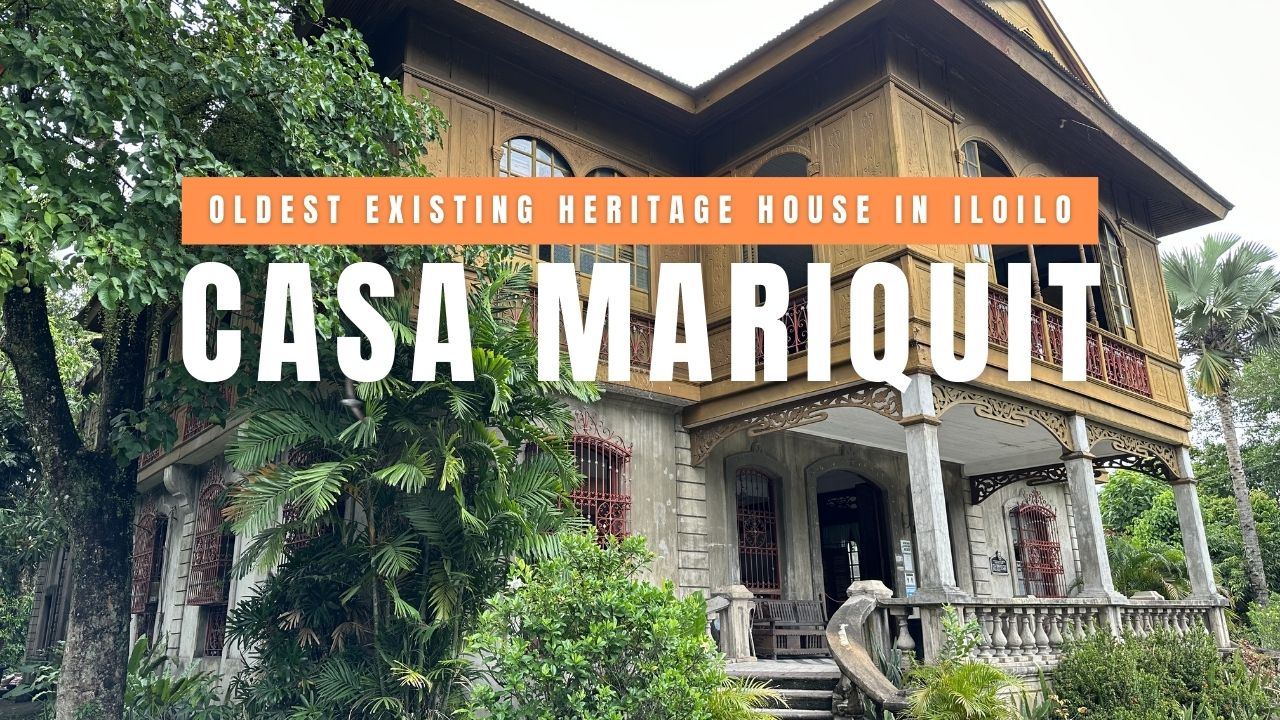
Casa Mariquit Javellana-Lopez in Iloilo City
-
Travel, Weather, Religion
-
-
15 mins
-
Out of Town Blog
-
Melo Villareal
-


Casa Mariquit Javellana-Lopez: The Oldest Heritage House in Iloilo and the Love Story Frozen in Time There are heritage houses that evoke a museum-like atmosphere, characterized by their preserved artifacts and ceremonial ambiance. In contrast, others exude the comforting familiarity of a home that has never truly lost its lived-in, personal touch. Casa Mariquit belongs […]
Casa Mariquit Javellana-Lopez in Jaro, Iloilo City
Casa Mariquit Javellana-Lopez: The Oldest Heritage House in Iloilo and the Love Story Frozen in Time
There are heritage houses that evoke a museum-like atmosphere, characterized by their preserved artifacts and ceremonial ambiance. In contrast, others exude the comforting familiarity of a home that has never truly lost its lived-in, personal touch. Casa Mariquit belongs to the latter category, inviting visitors to experience the warm, authentic atmosphere of a residence that continues to breathe with life and history.
Casa Mariquit Javellana-Lopez in Iloilo City
Hidden along a quiet street in Jaro, Iloilo City, the two-century-old ancestral house greets visitors not with velvet ropes and glass barriers but with the intimate atmosphere of a lived-in past. You don’t merely observe history here — you sit where the family once gathered, peer into wardrobes filled with personal belongings, and walk across floors worn smooth by generations. The air inside is dim and nostalgic, carrying stories of romance, political power, Spanish-era society, and Ilonggo elegance.
More than just architecture, Casa Mariquit stands as a tangible memory—an enduring testament to the storied history of a prominent Filipino family whose lives and legacies are intricately intertwined with the broader narrative of the city’s history.
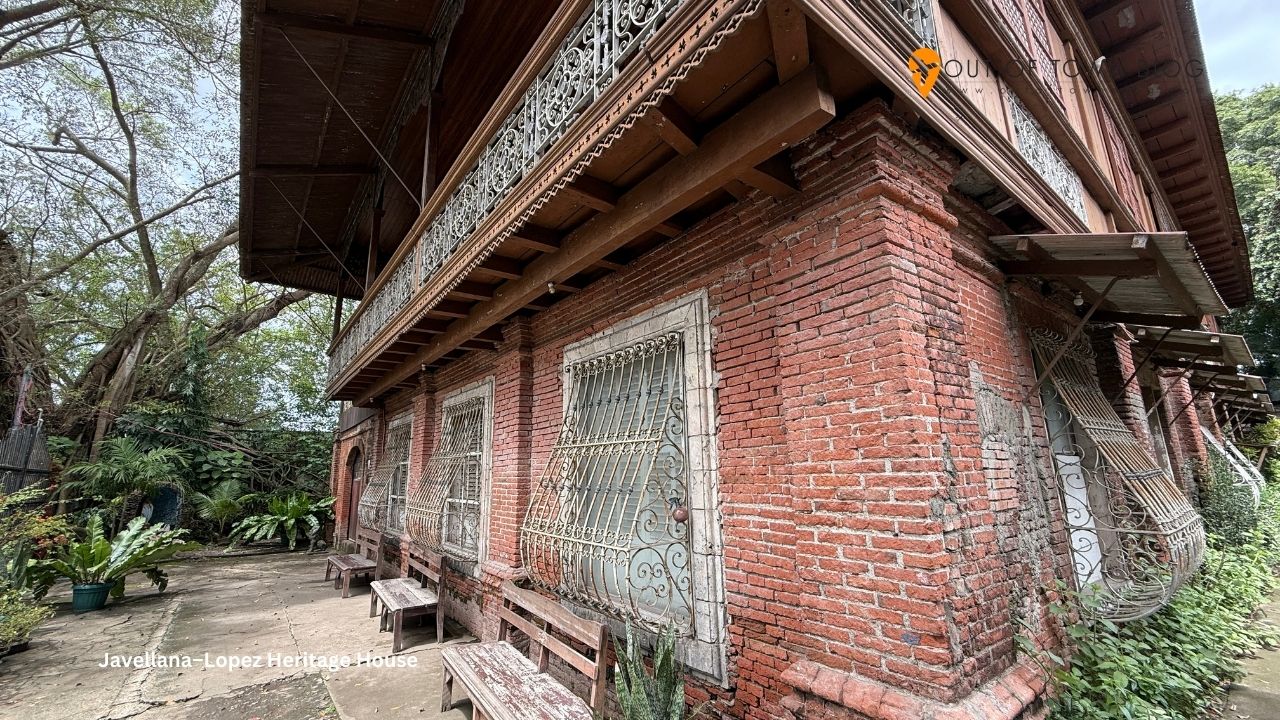
Javellana–Lopez Heritage House
History
Casa Mariquit Javellana-Lopez was built in 1803 by Don Ramon Javellana, a prominent Ilonggo banker, and originally served as both a family residence and a banking house. During the Spanish colonial period, wealthy families often conducted business within their homes, and the sturdy stone ground floor provided a secure space for financial transactions while the upper wooden level served as living quarters.
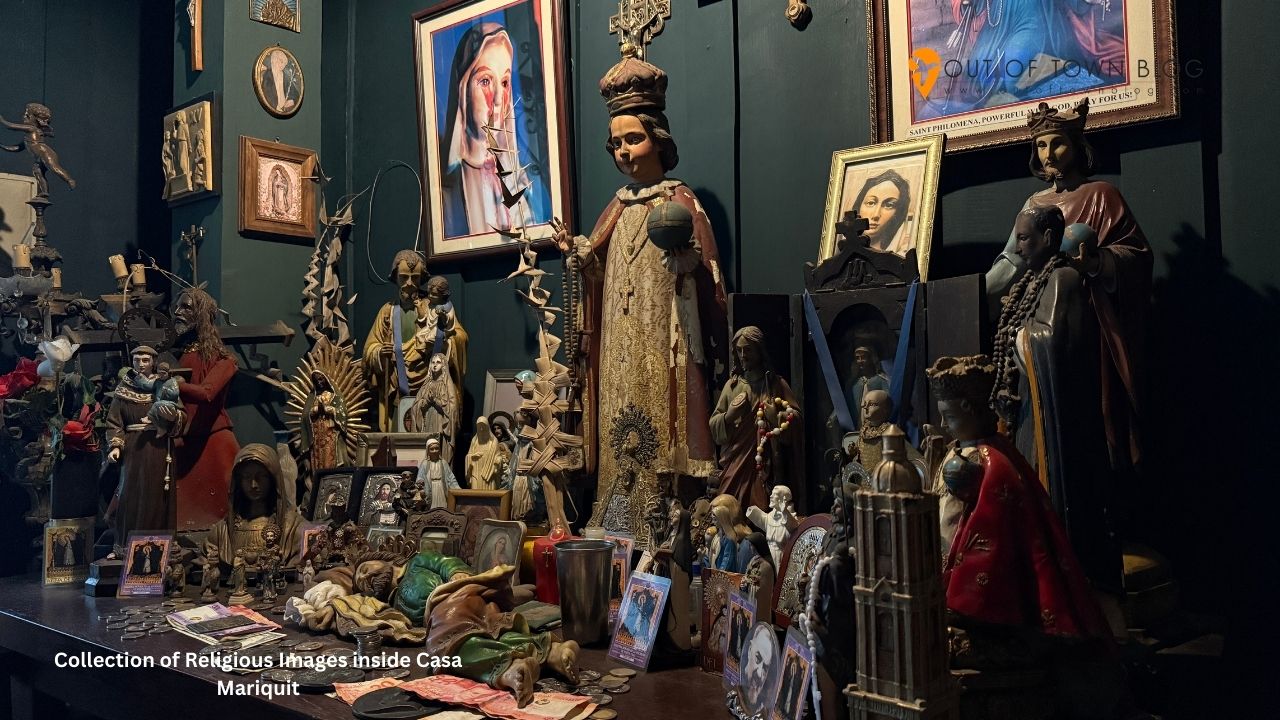
Collection of Religious Images inside Casa Mariquit
The house later passed to his granddaughter, Maria Salvacion “Mariquit” Javellana, whose marriage to Fernando Lopez Sr. linked the residence to one of the most influential political families in the Philippines. Lopez would eventually become the country’s Vice President, and the home became a gathering place for civic leaders, church figures, and members of Iloilo’s social elite.
Through the American period and World War II, the structure survived with much of its interior intact. After the war, the family continued to live in the house, preserving both its furnishings and traditions. In 1981, Pope John Paul II visited and blessed the residence during his trip to Iloilo, further elevating its historical importance.
Following the death of Vice President Lopez, descendants chose to maintain the property rather than modernize it. Today, Casa Mariquit remains privately owned yet open to visitors, carefully preserved as a living record of Ilonggo heritage and family life.
Interesting Facts
Casa Mariquit is not a recreated museum — it is a preserved family home where most items remain exactly where the owners left them. Visitors often notice shoes still arranged in cabinets, old telephones beside beds, and framed photographs that quietly map generations of Ilonggo life. The sense is less “display” and more “pause,” as if the family simply stepped out for the afternoon.
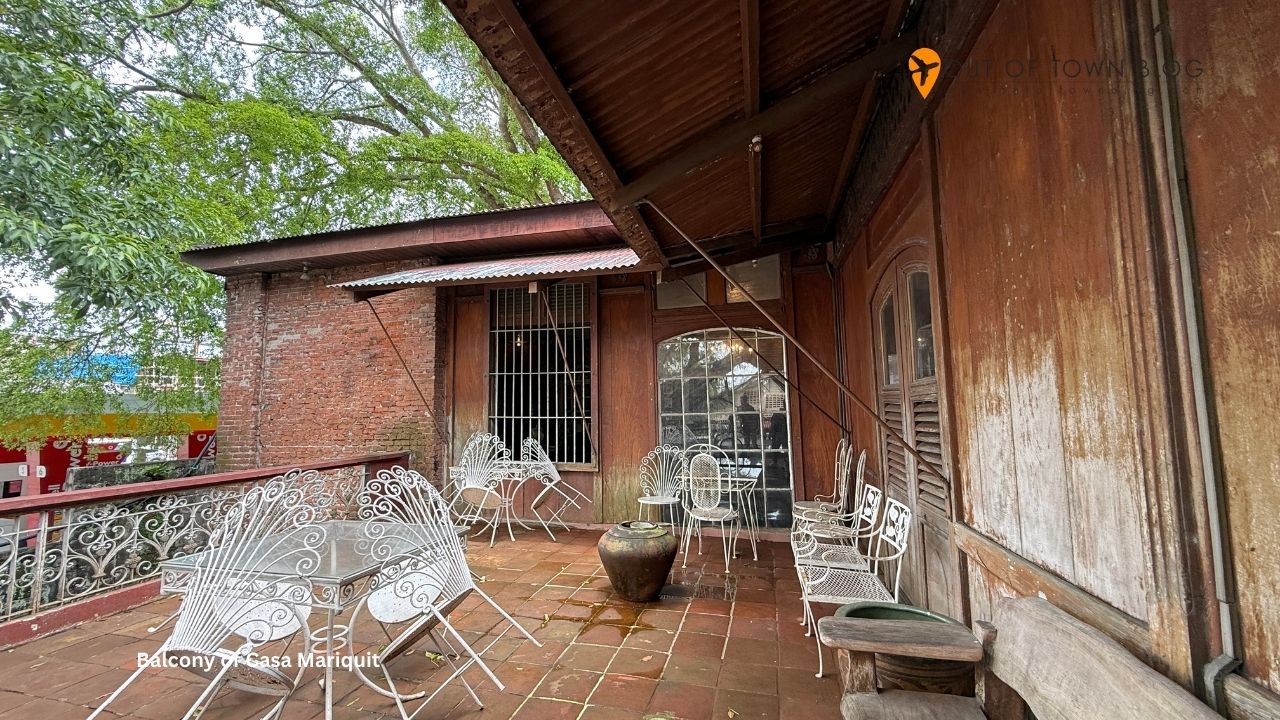
Balcony of Casa Mariquit
One of the most charming features is a tiny peephole upstairs. According to family stories, Mariquit used it to secretly observe suitors performing harana (serenades) before deciding whether she would appear at the window. The house, therefore, preserves not only architecture but also Filipino courtship traditions.
A massive balete tree grows beside the property, believed to be older than the house itself. Locals consider it a silent witness to over two centuries of change in Jaro. Inside, a century-old German grandfather clock still functions accurately despite minimal maintenance — a small but powerful symbol of time ticking on in a place devoted to memory.
There are also stories of a passage once linking the residence to Jaro Cathedral, reflecting how closely faith and daily life were intertwined in Spanish-era communities.
Perhaps the most unusual fact: visitors may sit on the antique furniture. Few heritage houses allow this, making the experience personal rather than distant.
Historical Significance
Casa Mariquit Javellana-Lopez stands as one of the most meaningful heritage homes in Iloilo because it embodies the city’s transition from colonial trading center to modern Philippine society. Built in 1803, the residence witnessed the Spanish era, the rise of the sugar industry, the American period, World War II, and the birth of the republic — all through the lived experiences of one influential Ilonggo family.
The house became especially significant when it served as the home of Maria Salvacion “Mariquit” Javellana-Lopez and her husband, former Vice President Fernando Lopez Sr. Within its wooden halls, discussions about business, governance, and national affairs took place. Unlike many ancestral mansions that merely represent wealth, Casa Mariquit represents participation in nation-building. Political leaders, clergy, and prominent families once gathered here, making the home a quiet witness to Philippine political history.
Its preservation is also culturally important. The house retains original belongings, not staged replacements — clothing, furniture, religious icons, and everyday objects — offering a rare, intimate portrait of Filipino elite life across generations. This authenticity turns the structure into a social document rather than a decorative monument. It reveals courtship traditions, family hierarchy, Catholic devotion, and the domestic rhythms of an Ilonggo household.
Casa Mariquit is considered one of the most important heritage houses in Iloilo because it bridges three dimensions of history: architecture, family memory, and national leadership. While grand mansions show prosperity, Casa Mariquit shows continuity — a living timeline of Filipino identity preserved inside a single home.
Design of the House
Casa Mariquit Javellana-Lopez reflects the architectural evolution of the Filipino bahay na bato, a design shaped by Spanish colonial aesthetics and indigenous adaptation to the tropical climate. The house follows the classic two-level configuration: a stone ground floor and a wooden upper residence. This hybrid structure combines European masonry techniques with native Filipino construction methods.
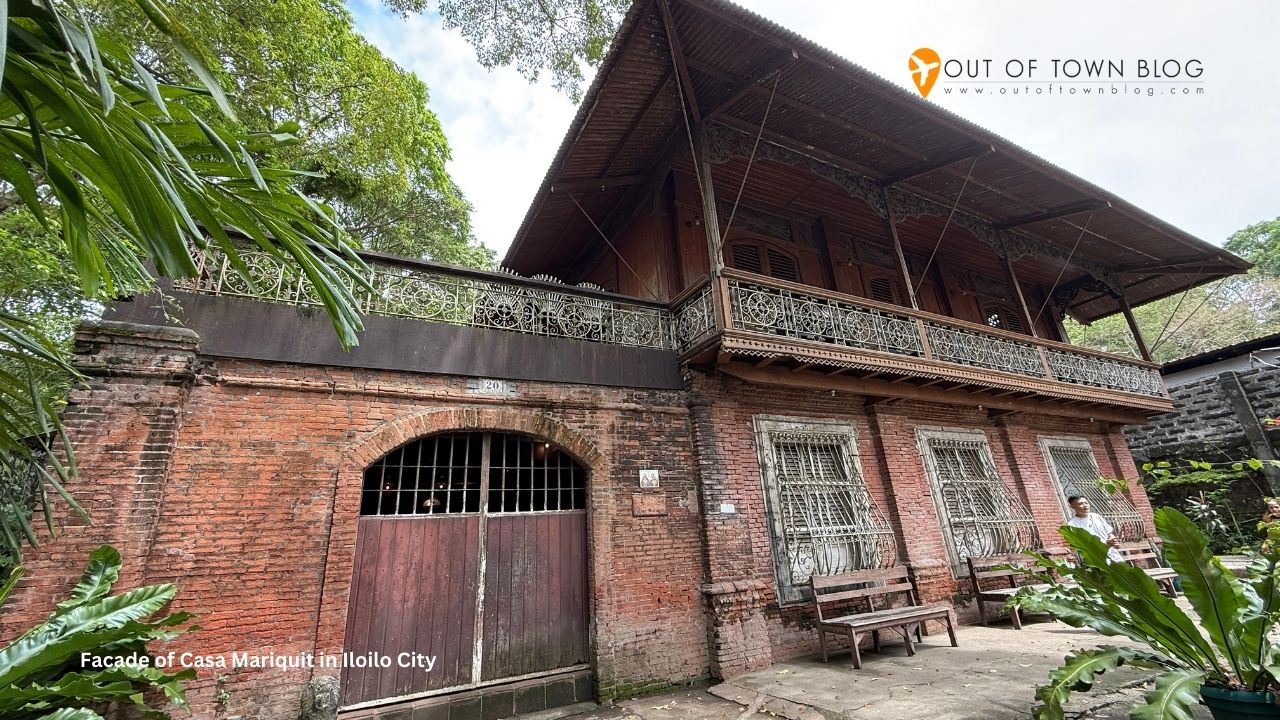
Facade of Casa Mariquit in Iloilo City
The lower level, made of thick stone walls, provided durability, security, and insulation from heat. During the Spanish era, such stone foundations were influenced by Mediterranean architecture, designed to withstand earthquakes and protect valuables. The upper floor, constructed from hardwood, reflects traditional Austronesian house-building practices — elevated, well-ventilated, and suited to humid weather.
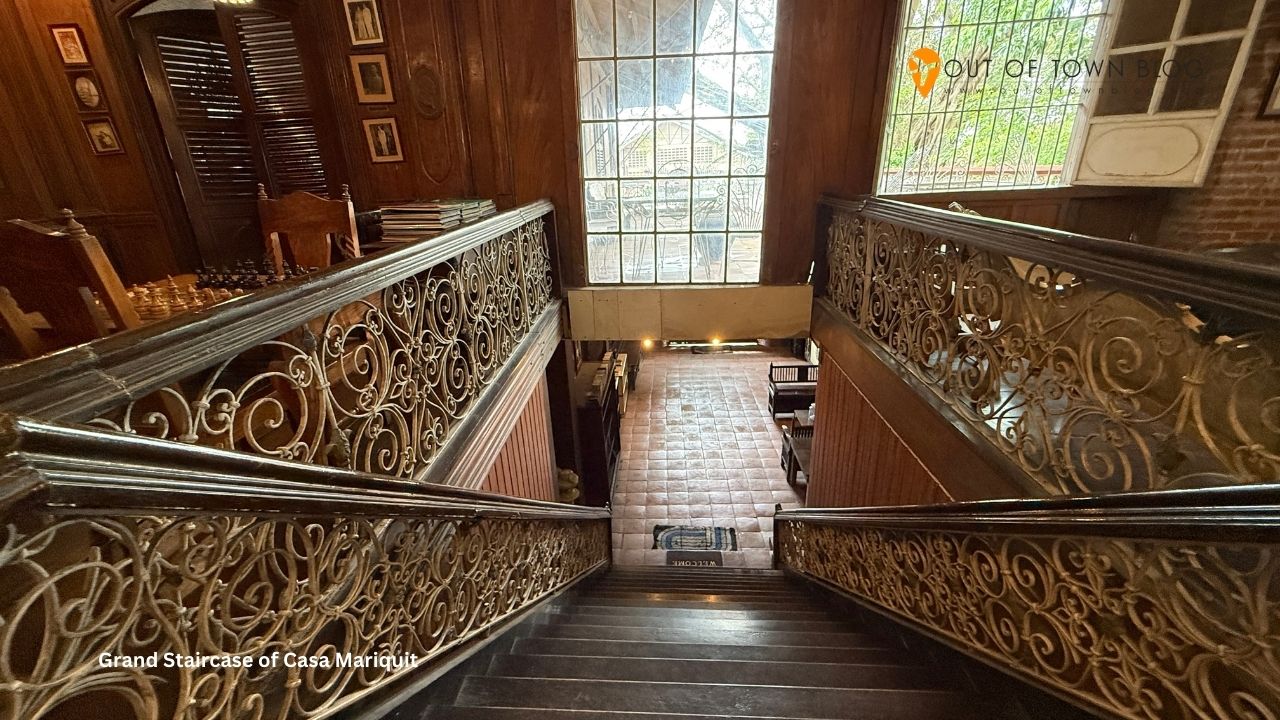
Grand Staircase of Casa Mariquit
Large sliding windows with capiz shell panels demonstrate both Spanish stylistic influence and local resourcefulness. Capiz allowed light to filter softly into rooms while maintaining privacy and airflow. Wide window openings and high ceilings improved cross-ventilation, an essential adaptation to Iloilo’s warm climate.
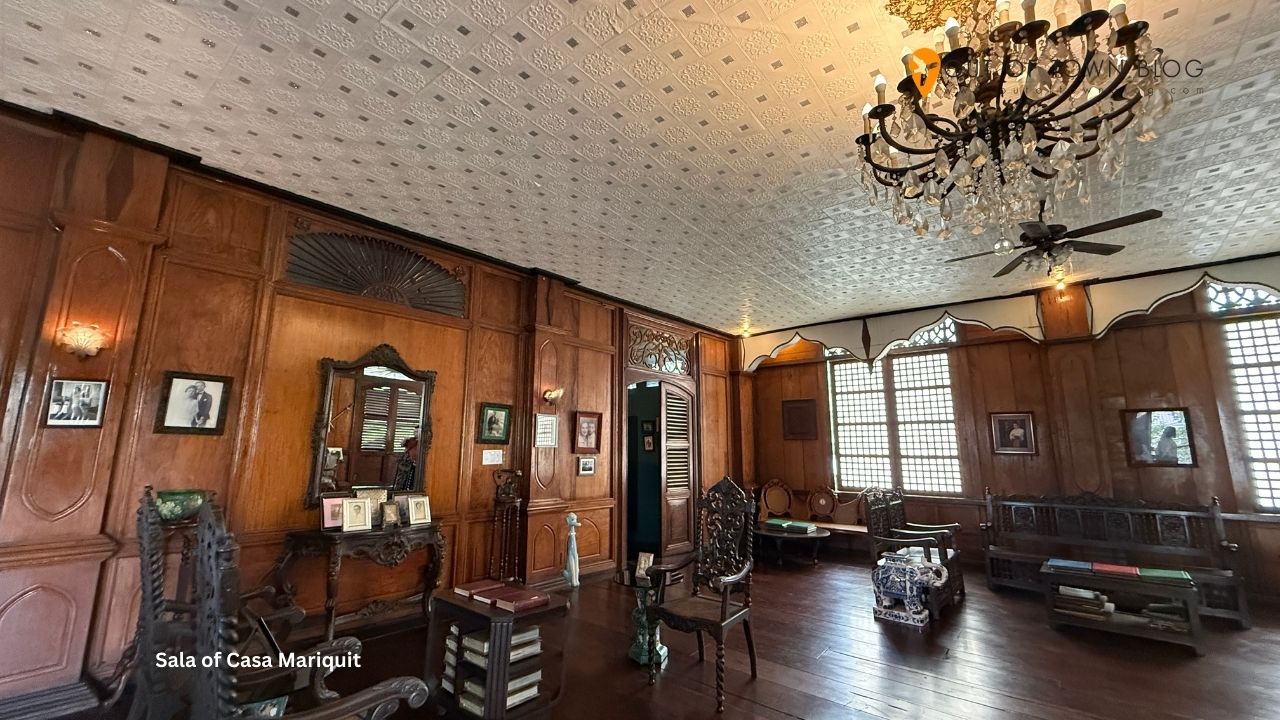
Sala of Casa Mariquit
Inside, long corridors, spacious salas, and a dedicated oratorio (prayer room) reveal the strong Catholic and social customs of the time. The layout encouraged formal gatherings while maintaining private family spaces.
Overall, Casa Mariquit’s design is not merely decorative; it is functional, climate-responsive, and culturally layered — a physical representation of colonial influence blended with Filipino ingenuity.
Architectural Features
Ground Floor
- Originally used as a bank office
- Thick stone walls for security and insulation
- Naturally cool interiors suitable for a tropical climate
Upper Floor
- Wooden living quarters
- Wide windows for ventilation
- Long corridors and high ceilings
- Private prayer room (oratorio)
Interior Details
- Capiz shell windows
- Antique chandeliers
- Hardwood floors are polished over time
- Period furniture is still in its original placement
The house was designed not only for beauty but also for climate — elevated living spaces kept the family cool during humid Iloilo summers.
Entrance Fee & Visiting Hours
- Entrance Fee: Around P50 per person
- Opening Hours: Approximately 8:00 AM – 5:00 PM daily
- Walk-in visitors welcome; tours are usually guided by the caretaker
Location & Contact
Address: Santa Isabel Street, Jaro District, Iloilo City
The house sits quietly behind a gas station and near local establishments in Jaro. There is usually no formal booking office — visitors coordinate directly with the caretaker upon arrival.
How to Get There
From Iloilo International Airport
- Take an airport van or taxi to Iloilo City Proper (about 30–40 minutes)
- Head toward the Jaro District
- Ask the driver for “Casa Mariquit” or Santa Isabel Street
From Iloilo City Proper
- Ride a Jaro jeepney
- Get off near Jaro Plaza or the nearby gas station
- Walk a short distance to the ancestral house
The site is often included in Iloilo heritage tours alongside Jaro Cathedral and other ancestral mansions.
Why You Should Visit
Many heritage houses give the impression of being deliberately styled or staged for aesthetic appeal. In contrast, Casa Mariquit feels frozen in a moment, as if time has momentarily paused within its walls.
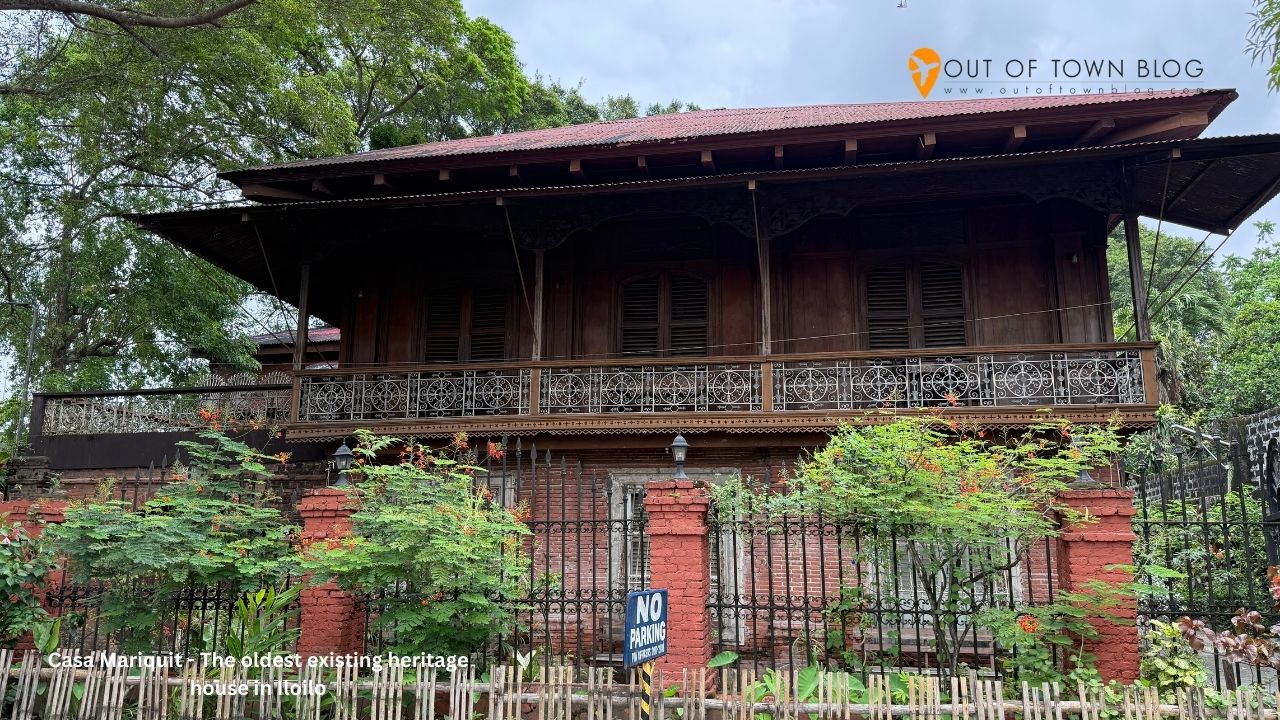
Casa Mariquit – The oldest existing heritage house in Iloilo City
You don’t simply learn history — you sense daily life: the quiet afternoons, whispered conversations, prayers before dinner, and the echoes of harana drifting through the windows. It is less a museum and more a preserved memory — the Philippines before modernity, kept alive in wood, stone, and sunlight filtered through capiz shells.
In Iloilo, a city where grand mansions with intricate architecture and lush gardens still line the streets, Casa Mariquit stands out as the most personal and intimate among them all, exuding a warm, inviting charm that tells a story of history and tradition.
IloIlo Travel and Tour Packages
<script type="text/javascript"></p> <p> (function (d, sc, u) {</p> <p> var s = d.createElement(sc),</p> <p> p = d.getElementsByTagName(sc)[0];</p> <p> s.type = "text/javascript";</p> <p> s.async = true;</p> <p> s.src = u;</p> <p> p.parentNode.insertBefore(s, p);</p> <p> })(</p> <p> document,</p> <p> "script",</p> <p> "https://affiliate.klook.com/widget/fetch-iframe-init.js"</p> <p> );</p> <p></script>
Follow and subscribe to OutofTownBlog.com on Facebook, Twitter, Instagram, Pinterest, and YouTube for more Travel-related updates.
Read:
- Visita Iglesia: 7 Iloilo Churches to See This Semana Santa
- Top 20 Best ILOILO TOURIST SPOTS + Things to Do
- Why Iloilo City was Named a UNESCO “Creative City of Gastronomy” — and What You Should Eat There
- Indulge in History and Culinary Delights at Agatona 1927 Museum Cafe
- Iloilo: The Philippines’ Premier Culinary Destination
Casa Mariquit Javellana-Lopez in Jaro, Iloilo City
The post Casa Mariquit Javellana-Lopez in Jaro, Iloilo City appeared first on Out of Town Blog