

Cambodia and Laos Launch Phase Two of Cross-Border QR Payments, Enhancing Travel Convenience and Boosting Tourism Revenue and Regional Growth
-
Travel, Currency
-
-
4 mins
-
Travel and Tour World
-
Gishan Das
-


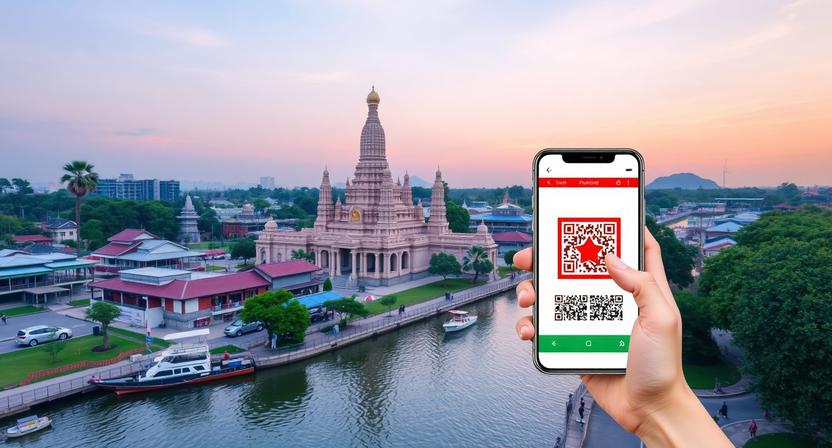
Cambodia and Laos introduce Phase 2 of cross-border QR payments, improving travel convenience and using technology to drive tourism revenue and regional economic growth.
Cambodia and Laos made major progress in facilitating economic development in the region as well as improving the tourist experience in Southeast Asia by implementing Phase 2 of the country’s joint QR code payment system. The idea here is that tourists from Laos will be able to engage in “shopping in Cambodia and payment in Lao kip” using the third-party mobile applications of their own country’s banking systems. The ceremonial launch in the country of Cambodia was led by Chea Serey, Governor of the National Bank of Cambodia, and Bounkham Vorachit, Governor of the Bank of the Lao PDR.
A Seamless Payment Experience for Travelers and Merchants
With Phase 2, Lao citizens can now use their mobile apps to scan KHQR codes at 4.5 million merchants across Cambodia, making travel and shopping simpler. The streamlined payment process not only enhances the convenience of cross-border travel but also encourages tourism revenue growth in both countries, providing a direct economic impact by boosting local spending.
By eliminating the need for currency exchanges, the system offers Lao tourists a smooth and efficient payment experience, further incentivizing travel. Chea Serey emphasized that the cross-border payment system is a key facilitator of economic ties, simplifying transactions for both visitors and businesses, while also supporting tourism and investment.
Driving Tourism Revenue through Technology
The digitalization of payments is set to have a transformative impact on tourism revenues in Cambodia and Laos. As more tourists opt for convenient digital payment methods, technology is becoming a crucial driver of increased tourism spending. With seamless, borderless transactions, tourists are more likely to spend freely without the hassle of currency exchange. This creates a boost in local tourism revenues, benefiting small businesses, tourism operators, and artisans in both countries.
For instance, with QR payments, Lao travelers will spend more effortlessly in both urban centers and rural areas, as businesses in more remote locations can accept payments without needing specialized point-of-sale systems. This accessibility helps to expand the market reach for tourism-related businesses, opening up new revenue streams and supporting sustainable tourism growth.
Phase 2’s Role in Regional Tourism Development
The integration of digital payment technology into cross-border tourism helps foster greater regional cooperation within ASEAN. By enabling direct payments in Lao kip while traveling in Cambodia, the new system enhances tourist mobility and supports socio-economic development across both countries. The adoption of technology-driven payment systems is a key factor in strengthening ties between Southeast Asian nations and promoting regional integration, which in turn attracts international tourists seeking easy, secure, and tech-savvy travel experiences.
Moreover, the use of QR code payments aligns with the broader trend of digital transformation in global tourism. As travelers increasingly expect seamless digital solutions, both Cambodia and Laos are positioning themselves as modern, forward-thinking tourism destinations that embrace innovation to drive visitor satisfaction and tourism revenue growth.
The Role of Technology in Tourism Revenue Surge
The continued evolution of digital payments and other travel technologies is poised to accelerate tourism revenue across Southeast Asia. As these countries continue to integrate digital solutions into their tourism strategies, technology will play a central role in sustaining long-term growth in the tourism sector. The cross-border QR payment system is just one example of how technology can streamline operations and reduce barriers to tourism spending, making it easier for visitors to engage with local economies.
In the near future, the rise of digital wallets, contactless payments, and even blockchain-based travel solutions will further transform how travelers spend money while enhancing security, efficiency, and customer experience. This technological shift will ensure that tourism destinations like Cambodia and Laos remain competitive in the global tourism market, continuing to attract visitors and maximize tourism revenues in the digital age.
Looking Ahead: Sustainable Growth in Regional Tourism
As ASEAN nations continue to prioritize digital transformation in tourism, Cambodia and Laos’ cross-border payment systems will be a key driver of sustainable tourism. The technology not only streamlines travel for visitors but also promotes local businesses, supporting cultural exchange and encouraging longer stays. With global tourism recovering, embracing digital payment solutions and enhanced travel convenience will ensure that Southeast Asia remains a top destination for international travelers, while also fostering economic growth and regional integration.
By embracing technology, both Cambodia and Laos are positioning themselves to capitalize on future tourism trends, increasing visitor spending and enhancing their reputation as tech-forward tourism hubs. As cross-border payments become more common, the role of digital innovation in driving tourism revenue will continue to be critical for the region’s economic prosperity.
Technology Fuels Growth in Tourism and Regional Connectivity
The launch of Phase 2 of the cross-border QR code payment system in Cambodia and Lao PDR reflects the increasing role of technology in determining tourism in the future. With its capacity to facilitate payments and enhance tourist experiences, the QR code payment system is soon to enhance tourism earnings and ensure sustainable growth in Cambodia and Lao PDR. The increasing role of digital solutions in ensuring tourism and integrating their region into one entity will thus set the tone for Cambodia and Lao PDR in determining tourism in the future.
The post Cambodia and Laos Launch Phase Two of Cross-Border QR Payments, Enhancing Travel Convenience and Boosting Tourism Revenue and Regional Growth appeared first on Travel and Tour World