







California Unites with New Jersey, New York City, and More in the Ultimate Battle to Keep America’s Beaches Clean and Smoke-Free!
-
Travel, Health
-
-
5 mins
-
Travel and Tour World
-
Sneha Sarkar
-


California joins Hawaii, New Jersey, Maine, Pennsylvania, New York City, and more in a bold, game-changing move to ban smoking on beaches, prioritizing health and environmental protection.
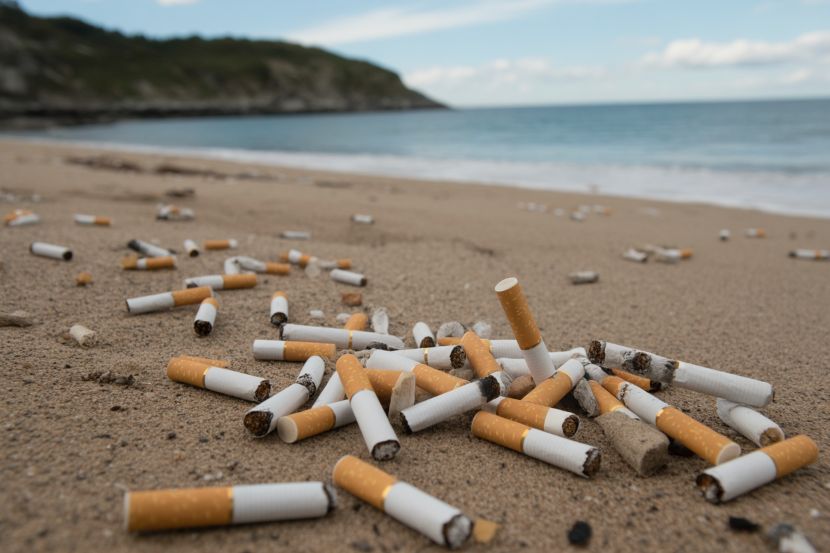
California Unites Hawaii, New Jersey, Maine, Pennsylvania, New York City, and other key U.S. regions in a bold, game-changing move to ban smoking on beaches. This sweeping initiative marks a critical step toward protecting public health and preserving the environment. By uniting with these states and cities, California is helping to set a new standard for cleaner, healthier beaches. The ban will significantly reduce second-hand smoke exposure and curb harmful cigarette litter that pollutes coastal areas.
This move is more than just a law—it’s a commitment to ensuring that everyone can enjoy clean, smoke-free beaches for generations to come. California’s decision to join Hawaii, New Jersey, Maine, Pennsylvania, and New York City in this crucial fight against beach pollution demonstrates the growing trend of prioritizing health and the environment over harmful tobacco use.
California: Pioneering the State-Wide Smoke-Free Beaches Revolution
California made history in 2020 by implementing a smoke-free policy across all its state parks and beaches. The California Public Resources Code § 5008.10, enacted through Senate Bill 8, prohibits smoking of cigarettes, cigars, pipes, and even electronic devices in these areas. Smoking is only allowed on paved roadways or parking facilities, and visitors are prohibited from disposing of cigarette or cigar waste outside of designated receptacles. Violators face an infraction with a fine of up to $25. The state’s motivation behind this ban is to reduce second-hand smoke exposure, protect the environment, and maintain the cleanliness of its beaches. Cigarette filters, which often end up littering the sand, are a significant environmental concern in California’s parks and beaches, degrading their natural beauty.
Hawaii: A Progressive Step Towards Smoke-Free Beachfronts
Hawaii has long been a leader in environmental protection and public health, passing Act 123 in 2015 to ban smoking in all state parks, including beaches. The law was later reinforced by county ordinances, with some counties such as Hawaii County, Oahu, Maui, and Kauai taking additional steps to ensure their beaches remain smoke-free. Hawaii County, for example, made all parks and beaches smoke-free as early as 2008. Violators of the law can be fined $100 for the first offense, $200 for the second, and $500 for subsequent offenses. This policy aims to improve air quality, reduce second-hand smoke exposure, and protect Hawaii’s fragile marine environment from cigarette butt litter, which can be harmful to local wildlife.
New Jersey: A Statewide Ban for Cleaner Beaches
New Jersey introduced a sweeping statewide ban on smoking at all public beaches and parks with the passing of Senate Bill 2534. The law prohibits smoking in all public spaces, with a 20% designated area on beaches where smoking is allowed. Smoking is also permitted on boardwalks adjacent to beaches if a municipality grants approval. First-time offenders face a fine of $250, rising to $500 for a second offense and $1,000 for subsequent violations. The state’s decision to implement this ban was influenced by the harmful health effects of tobacco smoke, the environmental impact of cigarette butt litter, and the need to improve the beach-going experience. Studies have shown that cigarette filters are the most commonly collected items during beach clean-ups, highlighting the significant pollution they cause.

Maine: Protecting Health and the Environment at State Beaches
Maine adopted a smoke-free policy in the early 2010s, which has been a part of the state’s park regulations since. Under Title 22, § 1580, smoking is prohibited within 20 feet of beaches, playgrounds, snack bars, and other public areas in state parks and historic sites. Although the law does not specify fines, park rangers have the authority to issue citations or remove violators from the premises. Maine’s smoke-free policy was introduced to reduce exposure to second-hand smoke, promote public health, and keep beaches free of cigarette litter.
Pennsylvania: Keeping Beaches Clean and Smoke-Free
In Pennsylvania, the Department of Conservation and Natural Resources (DCNR) has implemented the Smoke-Free State Park Beaches program, which started in 2008. This program restricts smoking at designated state park swimming beaches but provides designated smoking areas nearby. The initiative was introduced in response to visitor concerns about air quality and cigarette butt litter. Violators are asked to move to designated smoking areas or face citation under state park regulations. The policy’s primary aim is to improve air quality and reduce exposure to second-hand smoke while keeping Pennsylvania’s recreational beaches clean.
New York City: A Leader in Urban Smoke-Free Policies
New York City set a precedent by passing a law to ban smoking in all of its parks and beaches. The ban was later extended to include vaping in 2014. Smoking is prohibited in all NYC parks, beaches, boardwalks, gardens, sports stadiums, and pedestrian plazas, with the exception of sidewalks outside parks and parking lots. Violators face a fine of $50 and repeat offenders can be subjected to additional penalties. The law was enacted to reduce second-hand smoke exposure, improve the cleanliness of public spaces, and protect park visitors from the harmful effects of tobacco use.
Ocean City, Maryland: A Smoke-Free Boardwalk and Beach
Ocean City, Maryland, enacted Ordinance 2014-23, banning smoking on its iconic boardwalk and beaches. The ban covers beach accessways, dune crossings, and parks, while designated smoking areas are provided on the beach. The town’s smoking policy is enforced with a reliance on voluntary compliance, though citations may be issued for violations. Ocean City’s decision to implement this policy was aimed at creating a cleaner and healthier environment for beachgoers while addressing cigarette litter on its popular beaches.

Lewes, Delaware: Ensuring a Cleaner Beach Environment
Lewes, Delaware, passed a smoke-free beach ordinance making all public beaches in the city tobacco-free. The ordinance prohibits smoking, cigars, pipes, and e-cigarettes. Violators face fines enforced by the Delaware Division of Public Health. Lewes’ decision to implement this ban was based on the growing concerns surrounding cigarette litter, with volunteers collecting nearly 19,000 cigarette butts during a coastal clean-up. The city’s initiative aims to reduce litter, protect wildlife from cigarette waste, and eliminate exposure to carcinogens.
Panama City, Florida: A New Wave of Smoke-Free Beaches
In 2025, Panama City adopted Ordinance 3272, which prohibits smoking and vaping on municipal parks and public beaches. The ordinance provides designated smoking areas but enforces strict restrictions in public spaces. Violators face civil citations under municipal code. The city’s decision to enact this ordinance is rooted in health concerns regarding second-hand smoke and the environmental damage caused by cigarette butt litter. Panama City aims to create a cleaner, healthier environment for its visitors and residents while addressing these critical issues.
Miami Beach, Florida: Tackling Cigarette Litter Head-On
Miami Beach passed Ordinance 2022-4509, banning cigarette smoking and the use of tobacco products on public beaches and parks. The law went into effect on January 1, 2023, and violators can face fines ranging from $100 to $500 or up to 60 days in jail. Miami Beach’s policy aims to tackle the environmental problem caused by plastic cigarette filters, which can take up to 10 years to decompose. The city’s efforts to keep its beaches cleaner and reduce plastic pollution highlight the growing global concern over waste management.
The Rising Trend of Smoke-Free Beaches
The increasing number of U.S. jurisdictions adopting smoke-free beach policies highlights the growing awareness about the health and environmental benefits of such regulations. These policies not only protect public health by reducing second-hand smoke exposure but also contribute to the preservation of the environment by reducing cigarette litter. Whether it is California’s statewide ban or Miami Beach’s strict tobacco ban, these policies set a strong precedent for other regions to follow suit in the years to come.
As we continue to embrace a cleaner, healthier, and more sustainable future, these ten jurisdictions are leading the charge, showing that smoke-free beaches are not just a trend but a necessary step toward protecting both our health and the environment.
The post California Unites with New Jersey, New York City, and More in the Ultimate Battle to Keep America’s Beaches Clean and Smoke-Free! appeared first on Travel and Tour World