










Have You Explored How Brazil And Lebanon Redefine Olfactory Tourism Through Scent Travel? Here’s The Update
-
Travel, Health, Culture, Weather, Religion
-
-
14 mins
-
Travel and Tour World
-
Upasana Chatterjee
-


Uncover how Spain, Indonesia, Egypt, Lebanon, Brazil, Australia, and New Zealand are transforming global travel through the magical power of scent.
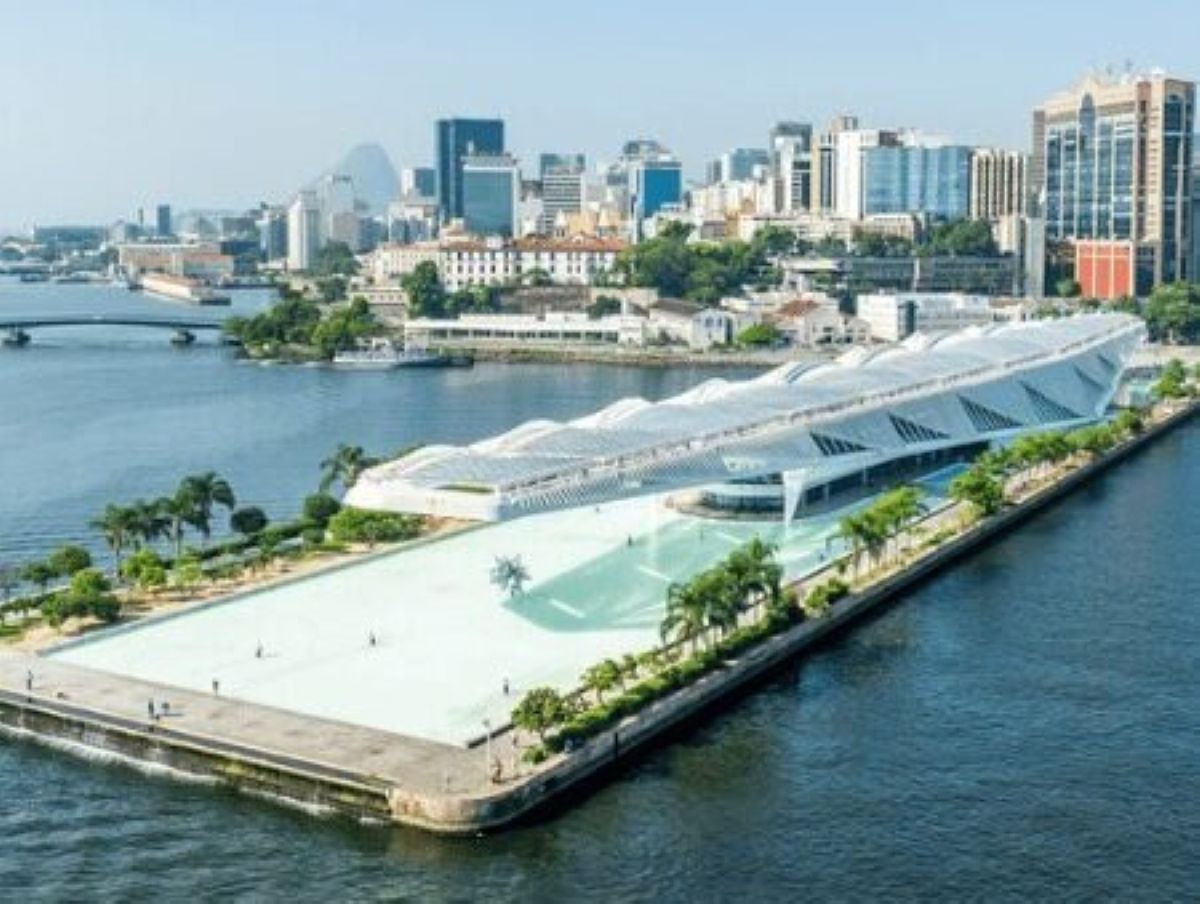
Image Credit visitbrasil
You can tell where you are when you step off the plane and close your eyes. The big new cities don’t give it away. The answer is in the air. We have a chance to go a decade or two into the future and see that view. Before we actually go for the first time, a certain smell can take us there. Smelling some orange blossoms in an Andalusian courtyard or smelling some eucalyptus after the rain in Australia can bring back feelings and memories connected to the trading of goods, the mixing of the earth and soil with the local Holiness and ancient and sacred traditions in various countries. There is a new appreciation of what the world can offer beyond just the typical tourist stop when we travel to the different countries in the world such as Spain, Indonesia, Egypt, Lebanon, Brazil, Australia, and New Zealand. Many of these countries have wonderful smells for travelers to stop, relax, and take in the atmosphere while offering some amazing invitations to never forget how amazing they are.
How Does Spain (Andalusia) Define the Modern Essence of Sun-drenched Mediterranean Scents?
In southern Spain, the captivating region of Andalusia captures the vibrant spirit of the Mediterranean through its luminous climate and rich botanical landscape. The regional air is continuously perfumed with a refreshing mixture of bitter oranges, ripe lemons, and sweet grapefruits cultivated across historic groves. Delicately woven into this citrus backdrop are fragrant floral notes of blooming jasmine, lavender, and orange blossom, complemented by wild rosemary and thyme baking under the warm sun.
Spain is rapidly emerging as an influential hub for niche, experimental perfumery that prioritizes locally harvested Mediterranean botanicals over mass-produced synthetic formulas. Historical cities like Granada, Seville, and Córdoba lead this movement by blending Moorish architectural heritage with contemporary fragrance creation. Travelers visiting Granada can step inside the Patio de los Perfumes, a restored 16th-century palace where master perfumers conduct hands-on workshops using native citrus and floral essences. Walking through the orange-tree-lined courtyards of Seville allows visitors to experience how deeply scent is woven into Andalusian daily life.
Why Is Indonesia Experiencing an Unprecedented Fragrance Renaissance Across Its Tropical Spice Islands?
The vast archipelago of Indonesia offers an extraordinary sensory journey driven by centuries of spice trading and unmatched tropical biodiversity. Across the fertile islands of Sumatra and Java, the humid equatorial atmosphere intensifies the deep aromas of patchouli, crushed nutmeg, aromatic cloves, and crisp lemongrass. Dense woodland zones across the territory contribute rich layerings of precious sandalwood, wild vetiver, and damp forest floor undergrowth that define the country’s intoxicating scent profile.
Recognizing the economic power of its natural resources, the Indonesian government launched the national Scent of Wonderful Indonesia initiative to promote sustainable, locally sourced perfumery. This movement links ethical fragrance production directly to national cultural identity and eco-tourism initiatives. Travelers exploring the spice plantations of Sumatra can observe how raw botanicals are harvested, while urban visitors in Bali and Jakarta can browse vibrant fragrance markets dedicated to artisanal distillations.
What Makes Egypt the Eternal Ancient Perfume Capital of the World?
Egypt stands as the historic cradle of global perfumery, boasting a rich heritage of scent creation that stretches back more than 4,000 years. The distinct scent profile of this North African nation is anchored by deep, resinous incenses like myrrh and frankincense, which once drifted through royal pharaonic temples. Sweet morning jasmine blooms along the fertile banks of the Nile River, creating a striking contrast against the dry, sun-baked mineral aromas of the surrounding desert sands.
Fragrance culture in Egypt remains deeply intertwined with daily life, religious rituals, and regional commerce across the Middle East. Modern Egyptian perfumers continue to use ancient extraction techniques to process sacred resins and delicate floral blossoms into concentrated fragrance oils. Visitors traveling to Cairo can wander through historic perfume souks to sample pure essential oils stored in hand-blown glass bottles, or tour dedicated jasmine extraction zones that supply the world’s finest perfume houses.
How Does Lebanon Blend Sacred Cedarwood with Fresh Mediterranean Breezes?
The landscape of Lebanon creates a unique olfactory signature characterized by dramatic mountain ranges descending into the crisp Mediterranean Sea. High above the coastline, the towering forests of Mount Lebanon release the majestic, woody aroma of cedarwood, which serves as the proud national symbol of the country. This profound arboreal scent harmonizes with coastal orange blossoms, wild thyme, mountain rosemary, and the refreshing salinity of sea air, occasionally accented by complex hints of smoke.
Lebanese perfumery balances deep historic pride with an innovative, modern approach to bespoke fragrance design. Artisans across the capital city of Beirut draw inspiration from regional literature, historic architecture, and local landscapes to craft custom scent profiles. Travelers seeking an authentic connection to the land can visit specialized concept boutiques like Aroma Archive in Downtown Beirut, before trekking directly into protected high-altitude cedar reserves.
Can Brazil’s Amazonian Biodiversity Transform the Global Future of Sustainable Perfumery?
Brazil presents a wild and vibrant fragrance landscape powered by the immense ecological richness of the Amazon rainforest. The country’s olfactory profile bursts with zesty tropical fruits including key lime, sour orange, and passionfruit, layered over lush green jungle foliage. Exotic orchids blooming in the humid canopy add sweet floral accents, while rare tree resins harvested deep within the forest provide a warm, earthy foundation.
Brazilian fragrance houses are redefining luxury by prioritizing environmental conservation, ethical harvesting, and community-led sustainability models. By utilizing native Amazonian ingredients, local brands offer a refreshing alternative to traditional European perfume conventions. Conscious travelers visiting bustling metropolitan centers like São Paulo and Rio de Janeiro can sample eco-certified perfumes in boutique shops, or join guided rainforest tours to experience raw botanical ingredients in their natural habitat.
Why Are Australia’s Invigorating Native Botanicals Captivating International Scent Connoisseurs?
The expansive continent of Australia offers a crisp, sharp fragrance profile dominated by the clarifying aroma of native eucalyptus trees. Rolling across the vast interior outback, the sun-baked soil releases resinous, warm earthy notes that blend with native coastal flora like waratah, wattle, and banksia. The cool, salty sea breeze sweeping off the surrounding oceans creates an invigorating contrast against the dry heat of the bushland.
Australia’s boutique perfumery sector has achieved global acclaim by championing native plant extractions and sustainable harvesting practices. Essential oils derived from tea tree, eucalyptus, and native wildflowers have become central components in high-end natural fragrances. Travelers exploring the wilderness of Western Australia can tour specialized botanical gardens, walk coastal trails, and purchase small-batch perfumes that capture the untamed spirit of the continent.
How Does New Zealand Harness Pure Native Flora to Create Clean Eco-Conscious Scents?
New Zealand presents a pristine, serene fragrance landscape defined by clean air, native forests, and coastal wilderness. The country’s signature aroma centers on the sweet, honey-like scent of blooming manuka blossoms, paired with resinous notes from ancient forest trees such as kahikatea and totara. Following fresh rainfall, the damp earth and mossy forest floors release a grounding, restorative fragrance that captures the pure essence of nature.
The perfume industry in New Zealand focuses intensely on ecological preservation, utilizing wild-harvested plant extracts and clean extraction technologies. Manuka, long valued for its medicinal properties, is now recognized globally as a prized ingredient in luxury, eco-conscious perfumery. Scent enthusiasts traveling across the North Island and South Island can visit boutique perfumeries, hike through protected national parks, and take home pure botanical fragrances rooted in indigenous flora.
How Does Olfactory Tourism Drive High-Yield Revenue Growth Across Regional Fragrance Economies?
Olfactory tourism is swiftly transforming into a major financial engine for regional economies worldwide, altering how high-value travelers allocate their time and money. With the global fragrance and perfume sector valued at $60.73 billion and the global essential oils market reaching $30.7 billion, scent-driven travel captures an increasingly lucrative segment of international commerce. Rather than relying on brief visits, scent-seeking tourists tend to linger significantly longer in regional craft hubs like Granada and Cairo. This extended stay directly elevates occupancy rates for local boutique hotels, increases bookings for specialized culinary tours, and provides sustained foot traffic to independent essential oil distillers.
Interactive workshops and custom scent experiences serve as primary drivers for this localized revenue growth. Experiential perfume masterclasses generate between €45 and €180 per visitor on average, representing a high-yield retail model that yields immediate economic returns. In specialized artisan districts, local craft businesses report over 25% year-over-year revenue increases as travelers prioritize authentic, hands-on cultural encounters over passive sightseeing. By converting local botanical heritage into premium retail offerings, historic cities build resilient economic ecosystems that reward traditional craftsmanship while attracting discerning, high-spending global travelers.
What Are the Agricultural Realities Behind Harvesting Tonnes of Raw Botanicals for Liquid Gold?
Behind every bottle of fine perfume lies a labor-intensive agricultural supply chain dictated by strict seasonal cycles, specific climate conditions, and meticulous manual labor. The physical extraction ratios required for natural essential oils highlight the vast scale of farming necessary to sustain global luxury perfumery. For instance, obtaining a single gram of pure jasmine absolute oil requires approximately 8,000 hand-picked jasmine blossoms, weighing roughly one kilogram. In regions like the Nile Delta in Egypt, workers must gather delicate flowers during early morning hours before sun exposure degrades the fragile aromatic compounds within the petals.
Similarly, industrial-scale botanical farming relies heavily on specific equatorial climates to meet global commercial demand. Indonesia dominates the global supply chain by producing over 80% of the world’s raw patchouli oil, alongside massive yields of nutmeg and clove across Java and Sumatra. Processing these crops demands immense agricultural volume, as one metric tonne of dried patchouli leaves yields approximately 25 to 30 kilograms of distilled essential oil. Climate variations, soil health, and harvesting timelines in these agricultural zones directly impact global perfume houses, underscoring the delicate connection between raw farming realities and luxury fragrance manufacturing.
How Are Native Communities Protecting Wild Botanical Species Through Ethical Sourcing Agreements?
As consumer demand for authentic botanical perfumes escalates, protecting vulnerable native plant species from commercial over-exploitation has become an urgent ethical priority. Wild-harvested botanicals currently account for over 40% of the natural plant ingredients utilized in niche and artisanal perfumery. Without strict regulatory oversight, slow-growing or geographically restricted plants—such as New Zealand’s Manuka, Australian Wattle, and rare Amazonian resins in Brazil—face significant ecological pressure. In response, fair-trade sourcing models are transforming traditional supply chains into active ecological preservation initiatives.
Ethical sourcing agreements ensure that indigenous harvesting cooperatives maintain direct control over their natural resources while receiving equitable financial returns. Contemporary fair-share models return between 15% and 20% of retail ingredient revenues directly to local harvesting communities, including Australian Bush Harvesting Initiatives and Amazonian Rainforest Alliances. These funds directly support habitat conservation efforts, anti-poaching forest patrols, and sustainable replanting schemes. By embedding strict fair-trade certifications into botanical supply chains, perfumers safeguard fragile biodiversity while guaranteeing that local communities economically benefit from their ancestral ecological stewardship.
Can Modern Olfactory Science Recreate the Ancient Sacred Fragrances of Pharaohs and Kings?
The intersection of modern analytical chemistry and archaeology is opening groundbreaking avenues for cultural heritage preservation. Through advanced laboratory techniques such as Gas Chromatography–Mass Spectrometry (GC-MS), scientists can analyze micro-residues extracted from ancient Egyptian embalming jars, ceramic amphorae, and stone perfume flasks dating back over 3,000 years. By identifying individual chemical signatures lingering within ancient organic materials, researchers decipher lost formulas once reserved for royal rituals, sacred temple incenses, and funerary rites.
Heritage institutions and specialized laboratories in Cairo and Beirut utilize these scientific findings to re-engineer historical perfumes with extraordinary precision. Researchers achieve over 95% accuracy in replicating ancient resin ratios featuring historical ingredients like frankincense, myrrh, and cedarwood. Recreating these legendary formulas allows museums and cultural archives to introduce tactile, olfactory components to traditional archaeological exhibits. Visitors no longer merely observe ancient artifacts behind glass display cases; they actively experience the exact aromatic environments that defined royal court life and sacred ceremonies thousands of years ago.
How Are Zero-Waste Cold-Pressing and Supercritical CO2 Extractions Revolutionizing Sustainable Fragrance?
Environmental considerations are driving a technological revolution across the fragrance processing sector, replacing energy-intensive steam distillation with clean extraction methods. Leading the green movement, countries like Australia, New Zealand, and Brazil are pioneering zero-chemical extraction technologies designed to isolate fragile botanical compounds without generating chemical waste. The rapid expansion of the organic and clean perfume market—currently growing at a 9.06% Compound Annual Growth Rate (CAGR) and projected to surpass $62 billion—reflects a global consumer demand for environmentally responsible luxury goods.
Supercritical Carbon Dioxide () extraction stands at the forefront of this industrial transformation. By utilizing pressurized
as a non-toxic solvent, this process reduces chemical waste to 0% and slashes operational energy consumption by 35% compared to conventional steam distillation. Furthermore, cold-pressing and
techniques operate at lower temperatures, preserving volatile top-notes and subtle aromatic profiles that thermal heat normally destroys. This technological leap enables perfumers to capture pristine botanical scents directly from wild forest ecosystems while eliminating hazardous chemical runoff.
Why Does the Limbic System Make Scent Memories More Durable Than Visual Travel Souvenirs?
The neurological relationship between smell and long-term memory retrieval explains why olfactory travel experiences leave such a profound impression on international travelers. Human olfactory pathways bypass the primary sensory routing centers of the brain and project directly into the limbic system, specifically targeting the amygdala and hippocampus. Because these brain regions govern emotional processing and memory consolidation, scent-triggered memories remain up to 100 times more vivid after 12 months than memories recalled through visual photos or auditory recordings.
Destination marketers leverage this biological mechanism to build enduring emotional connections with global travelers. Research indicates that 84% of luxury travelers report that distinct regional scent signatures—such as sun-baked Andalusian citrus groves, coastal Australian eucalyptus, or Lebanese cedar forests—directly shape their long-term emotional evaluation of a journey. When travelers encounter these specific regional scent notes long after returning home, their limbic system instantly reactivates sensory memories of the destination, creating powerful brand loyalty that conventional visual advertising cannot match.
How Are Historic Cities Blending Gastronomy with Artisanal Perfumery to Create Hybrid Sensory Routes?
Historic cultural capitals are pioneering multi-sensory tourism by systematically combining local culinary traditions with artisanal fragrance craft. Over 65% of key aromatic chemical compounds are shared between culinary herbs—such as rosemary, thyme, lemongrass, and citrus peel—and fine perfume top-notes. This natural chemical overlap allows master chefs and perfumers to design unified sensory itineraries, enabling travelers to sample and smell identical botanical profiles across different mediums.
Cities such as Seville, São Paulo, and Beirut lead this trend through collaborative “Scent & Dine” masterclasses and curated urban walking tours. These hybrid sensory experiences have driven a 30% increase in tourist bookings for specialized culinary-perfume routes. Travelers might spend a morning studying raw botanical distillation at a local perfume atelier and spend the evening tasting signature dishes, craft cocktails, and desserts infused with those exact botanical essences. Blending gastronomy with perfumery creates a sophisticated, multi-layered exploration of a destination’s regional agriculture and cultural heritage.
What Drives the Consumer Shift from Mass Market Synthetic Bottles to Custom Regional Distillations?
A major structural shift is re-shaping the global consumer fragrance market, marked by a growing departure from standardized, mass-market synthetic perfumes. Discerning consumers increasingly reject uniform commercial scents produced in centralized factories, opting instead for authentic, region-specific bottles that reflect local origin and artisanal craft. Reflecting this consumer pivot, the niche and bespoke fragrance segment is consistently outperforming commercial mass-market perfumes, maintaining an impressive 12% annual growth rate.
This shift toward personalized perfumery is particularly evident in boutique fragrance destinations worldwide. Customized scent creation sessions which average between $150 and $400 per bespoke 50ml bottle see high consumer retention rates and strong spending growth. At specialized regional ateliers such as Patio de los Perfumes in Granada or Aroma Archive in Beirut, travelers actively participate in selecting, blending, and bottling their own signatures using native essential oils. Purchasing a custom-blended scent provides travelers with a unique personal keepsake that captures the specific essence of their travel journey.
How Does Climate Shift Endanger Micro-Climate Essential Oil Extraction and Fragrance Balances?
Global climate volatility poses a severe risk to fine fragrance supply chains by altering the chemical composition and agricultural output of rare botanical crops. Fragrance ingredients like Indonesian patchouli, Egyptian jasmine, and Australian sandalwood rely on delicate, region-specific micro-climates that cannot easily be relocated. Unpredictable droughts, elevated temperatures, and irregular rainfall stress these crops, forcing plants to curtail aromatic compound production to survive. Heat-stressed flora displays significantly altered terpene structures; for instance, extreme temperatures trigger lavender plants to synthesize elevated levels of sharp camphor while dampening desirable sweet floral esters.
These environmental disruptions generate economic instability for farming cooperatives and luxury fragrance houses alike. Severe heat stress can cut essential oil extraction yields by 20% to 40% in a single harvest season, sparking sharp price surges for authentic botanical absolutes. To preserve signature scent profiles, international fragrance houses are funding climate-adapted agroforestry, efficient drip irrigation networks, and protective crop-shading techniques. By investing directly in resilient agricultural infrastructure, perfume brands aim to stabilize raw material yields while protecting fragile floral ecosystems from long-term environmental degradation.
What Role Does Neuro-Tourism Play in Mapping Traveler Brain Responses to Regional Scents?
Neuro-tourism is reshaping how travel destinations evaluate and utilize the emotional impact of sensory journeys. Utilizing portable electroencephalography (EEG) headsets, galvanic skin response sensors, and facial biometric tracking, researchers capture real-time neurological and physiological reactions when travelers inhale authentic local scents. As the broader sensory-focused travel market grows—having reached $5.1 billion in 2024 with projections to hit $15.3 billion by 2033 at a 13.7% CAGR—these neuro-metrics show that natural botanical notes prompt immediate reductions in cortisol alongside spikes in alpha brain wave activity linked to relaxation.
Destination planners leverage these biological metrics to curate sensory routes designed for maximum immersion and stress relief. Biometric testing demonstrates that encountering authentic local aromas—such as Australian eucalyptus groves or New Zealand manuka forests—boosts positive neural responses by up to 40% compared to typical urban surroundings. By measuring the precise brain activity tied to regional scent encounters, tourism boards can scientifically validate the restorative benefits of olfactory travel. This analytical framework allows destination managers to market natural landscapes as vital destinations for mental restoration rather than mere visual scenery.
How Are Luxury Scent Retreats and Wellness Sanctuaries Reshaping Hospitality Real Estate?
High-end resort developers are increasingly building luxury properties around scent-driven architecture and immersive botanical wellness facilities. Within the lucrative wellness tourism sector, scent-focused retreats command premium pricing, generating 30% to 50% higher RevPAR (Revenue Per Available Room) than conventional luxury hotels. Destinations across Andalusia, Bali, and the Brazilian Amazon now feature on-site essential oil distilleries, private botanical gardens, and specialized aromatherapy suites built directly into their architectural footprints. This design approach elevates accommodations from simple lodging into active, multi-sensory sanctuaries.
These properties craft specialized guest itineraries focused on circadian alignment and sensory recovery. Visitors take part in private botanical harvests, personalized scent profiling sessions, and targeted aromatherapy treatments designed to relieve jet lag and mental exhaustion. Hospitality operators note that integrating regional olfactory design extends average guest stays by 1.8 nights. By embedding authentic regional fragrance profiles into building design and guest programming, wellness retreats cultivate calming environments that drive long-term brand loyalty and premium real estate valuations.
What Is Driving the Commercial Boom of Olfactory Air Travel and Airport Scent Design?
The global aviation industry is turning to custom olfactory branding to ease passenger anxiety and create cohesive travel experiences. Transit networks and international carriers spend heavily on custom scent signatures diffused through airport lounges, gate areas, and aircraft cabins. Environmental psychology studies indicate that introducing ambient scents into high-stress terminal zones decreases perceived wait times by up to 15% while reducing self-reported passenger stress by nearly 25%. Calming scent notes like sandalwood, lavender, and citrus are specially blended to cushion travelers against transit friction.
Beyond passenger comfort, signature scenting functions as a memorable brand marker that links physical transit spaces to regional identities. International hubs in Dubai, Singapore, and Madrid employ ambient diffusion systems to welcome arriving passengers with local botanical aromas as soon as they deplane. Airlines also weave signature scents into hot towels, amenity kits, and cabin filtration systems. This continuous sensory touchpoint strengthens brand recall throughout long journeys, ensuring travelers connect a smooth flight with a distinct, pleasant aroma.
The Final Verdict
Other memories like photos and souvenirs also suffer the same fate of aging and being forgotten. That moment in time is lost and you start to see them as souvenirs of that memory. An actual soil perfume intends for you to relive the memories you felt wearing the perfume while on your adventure. Each scent reminds you of your unique adventure. Taking a deep breath will always remind you of sacred resin, that quiet dampness or the harsh sun. When you open one of these perfumes, you will be taken back to the moment you felt that memory and the scent of tropical air. The memories and scent will bring you to that first love of the travel and adventure. Life is one big adventure. The old and the young can appreciate the world. While some memories do start to fade, scent is a great way to bring back some of those travel memories. The perfume with bring you back to that moment in which you fell in love with travel and adventure.
Frequently Asked Questions
What makes Spain a newly recognized global perfume destination? Spain has gained global recognition due to Andalusia’s thriving niche perfumery scene, which utilizes locally grown citrus fruits, orange blossoms, and aromatic herbs in experimental, artisanal fragrance creation.
Which raw ingredients are most famous in Indonesian perfumery? Indonesia is globally renowned for producing high-quality patchouli, nutmeg, clove, sandalwood, and lemongrass, all of which form the foundation of its traditional and modern essential oils.
How does olfactory tourism support environmental conservation? Olfactory tourism encourages sustainable harvesting, protects native plant species, and funds local conservation projects in ecologically sensitive regions like the Amazon rainforest and Australian bushland.
Where can travelers experience perfume-making workshops in Spain? Travelers can participate in hands-on perfume creation workshops at the historic Patio de los Perfumes, located inside a 16th-century palace in Granada.
Why is Egyptian perfumery considered historically significant? Egypt is the ancient birthplace of fragrance making, with a 4,000-year legacy of distilling frankincense, myrrh, and jasmine for religious rituals, royal embalming, and personal adornment.
The post Have You Explored How Brazil And Lebanon Redefine Olfactory Tourism Through Scent Travel? Here’s The Update appeared first on Travel and Tour World