
















Mexico Rallies to Outshine Global Rivals as Explosive Día de los Muertos Crowds Fuel Huge Tourism Windfall
-
Travel, Culture
-
-
5 mins
-
Travel and Tour World
-
Salini Nandi
-


Old Town San Diego's 2026 Día de los Muertos festival draws 80,000+ visitors, sparking an $8.2M tourism windfall across Southern California historic districts
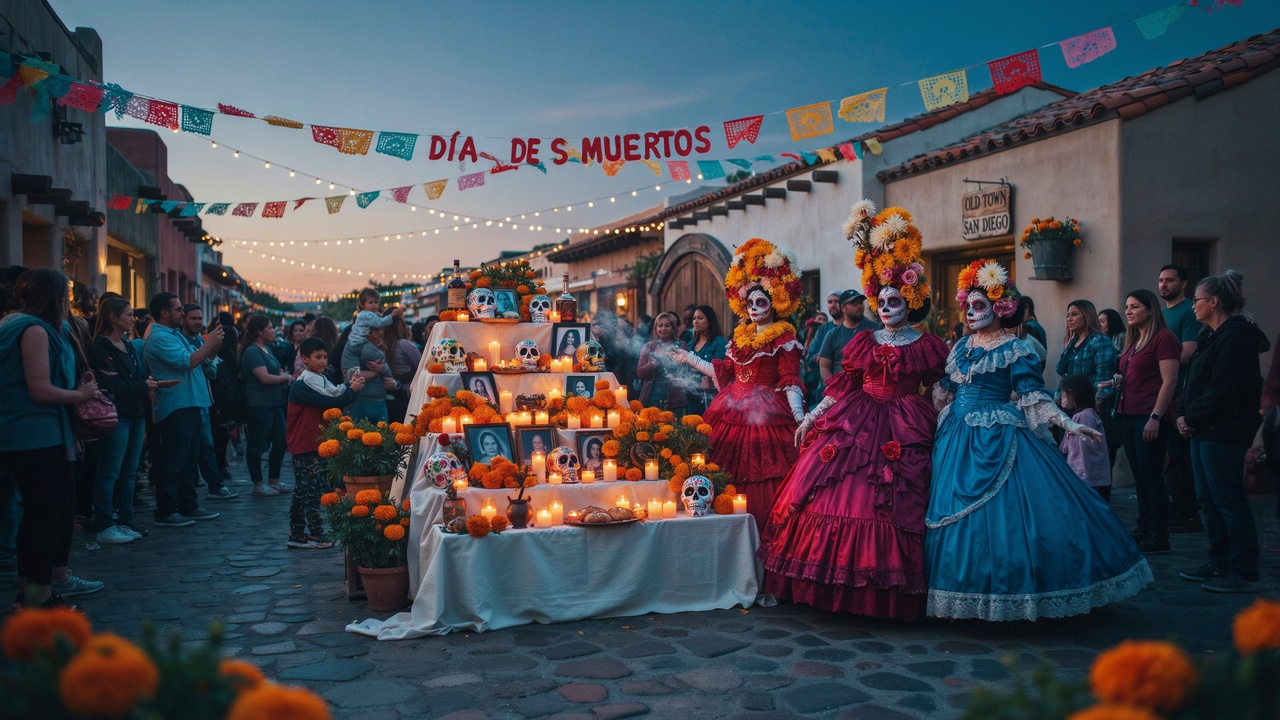
Mexico Rallies to Outshine Global Rivals as Explosive Día de los Muertos Crowds Fuel Huge Tourism Windfall.Historical adobe corridors, pedestrian avenues, and central state plazas across Old Town San Diego are finalizing extensive staging operations as the annual Día de los Muertos (Day of the Dead) Cultural Festival officially launches its public autumn showcase spanning late October through November 2, 2026. Centered inside Old Town San Diego State Historic Park, the regional Mexican heritage celebration brings tens of thousands of visitors to the “Birthplace of California” to honor deceased ancestors through community altars (ofrendas), vibrant marigold installations, artisan crafts, and traditional folkloric dance.
Operating under special public programming managed by California State Parks alongside civic merchant collectives, the non-ticketed, open-access gathering is both an authentic living monument to Binational Borderlands heritage and a high-yield economic anchor for San Diego County’s late-autumn visitor economy.
Where Does This Event Happen and Who Is Participating?
Rather than cordoning audiences inside a commercial convention hall, the celebration activates historic open-air public spaces and museum complexes throughout Old Town:
- Staging Grounds & Historic Landmarks: The core festivities center on the Plaza de Armas within Old Town San Diego State Historic Park, expanding outward along San Diego Avenue, Harney Street, Twiggs Street, and historic landmark properties such as La Casa de Estudillo, Casa de Machado y Stewart, Seeley Stable, and the El Campo Santo Cemetery.
- Civic, Educational, and Municipal Stakeholders: Programming operates via public coordination between California State Parks, the City of San Diego, the Old Town San Diego Chamber of Commerce, and the San Diego Unified School District, whose TK–12 students participate in the curated “Memory • Healing • Belonging” community art exhibition at the Captain Fitch Museum.
- Participating Artisans & Performers: The event convenes regional danza azteca troupes, indigenous Kumeyaay and Mexican folk ensembles, mariachi collectives, master sugar-skull (calavera) artisans, face painters, and textile weavers. Local merchants across Fiesta de Reyes and independent dining halls serve traditional seasonal cuisine, including pan de muerto, Oaxacan mole, and hot Mexican chocolate.
- Community Altars: The Plaza de Armas anchors a massive seven-tiered public ofrenda alongside a hanging wooden butterfly memorial where visitors pin photographs, notes, and mementos to honor deceased family members.
How Has Attendance Tracked Over the Past Five Years?
Because the celebration operates as an open-access public gathering across state historic park grounds and municipal thoroughfares, attendance telemetry is compiled from municipal transport logs, San Diego Metropolitan Transit System (MTS) tap-ins, and state park visitor registries:
| Year | Operational Model & Staging Footprint | Total Weekend & Festival Turnout | Merchant & Heritage Site Uptake | Audited Dynamics & Policy Catalysts |
| 2021 | Phased Public Return (Post-COVID Model) | ~52,000 | 76.0% | Outdoor altar pathways; timed pedestrian queuing through historic adobe museums. |
| 2022 | Full Municipal Resumption | ~65,000 | 83.5% | Full reinstatement of live folkloric stages, public processions, and open face-painting zones. |
| 2023 | Expanded Multi-Day Altar Tours | ~72,000 | 88.0% | Introduction of month-long October educational altar tours leading into November 2. |
| 2024 | Integrated Transit & Rail Model | ~75,000 | 91.5% | Record ridership on the MTS Old Town Transit Center; surge in regional drive-ins. |
| 2025 | Pre-Anniversary Showcase | ~78,500 | 93.0% | Record cross-border pedestrian arrivals; expanded Catrina fashion galleries. |
| 2026 | 2026 Staging Showcase | ~80,000–85,000 (Projected) | 95.0%+ (Expected capacity) | Full multi-venue activation; expanded arts programming across state park museums. |
Which Other Countries Have This Same Cultural Event?
While Old Town San Diego hosts the largest gathering along the U.S.–Mexico border, Día de los Muertos is rooted in Mexican indigenous customs and celebrated globally:
- Mexico (Oaxaca, Michoacán, & Mexico City): The sovereign birthplace of the tradition, recognized by UNESCO as Intangible Cultural Heritage of Humanity, featuring the renowned night vigils of Lake Pátzcuaro and Mexico City’s Grand Día de los Muertos Parade.
- Guatemala: Celebrated via the Festival de Barriletes Gigantes in Sumpango and Santiago Sacatepéquez, where communities construct colossal, hand-painted tissue-paper kites to communicate with departed ancestors.
- Bolivia: Celebrates the parallel tradition of Fiesta de las Ñatitas, where ancestral skulls are adorned with flowers, coca leaves, and hats to receive blessings.
- Philippines: Celebrates Undas (All Saints’ and All Souls’ Day), where families camp overnight in decorated cemeteries, blending indigenous remembrance with Spanish colonial Catholic rituals.
- Spain & Portugal: Commemorate Día de Todos los Santos through cemetery flower deliveries and traditional pastries such as huesos de santo.
Which Region of Travellers Come to This Event Most?
Visitor flow analytics monitored in coordination with municipal transport boards and the San Diego Tourism Authority trace three primary travel corridors:
- Southern California & Baja California Commuter Basin (72%+ of Turnout): Daily arrivals are dominated by intra-regional visitors from San Diego County, Orange County, Los Angeles, and the Inland Empire, alongside significant cross-border pedestrian and transit arrivals entering via the San Ysidro and Otay Mesa ports of entry from Tijuana and Ensenada.
- Western U.S. Domestic Fly-and-Drive Corridors: Approximately 18% of visitors travel via Interstate 8 and short-haul flights into San Diego International Airport (SAN), originating from Arizona (Phoenix, Tucson), Nevada (Las Vegas), New Mexico, and Texas.
- Out-of-State & International Cultural Tourists: The remaining 10% comprises long-distance domestic and overseas cultural leisure travelers from the U.S. Pacific Northwest, Midwest, Canada, the United Kingdom, and Germany combining heritage festivities with broader Southern California coastal itineraries.
Which Country Benefits Most and How Are Tourism and the Economy Impacted?
The United States—and specifically the State of California, the County of San Diego, and the City of San Diego—stands as the primary fiscal and economic beneficiary.
┌────────────────────────────────────────────────────────────────────────┐│ MUNICIPAL ECONOMIC & TOURISM FOOTPRINT │├───────────────────────────────────┬────────────────────────────────────┤│ DIRECT HOSPITALITY │ HERITAGE & CIVIC COMMERCE │├───────────────────────────────────┼────────────────────────────────────┤│ • $6.5M–$8.2M estimated direct │ • Independent retail injection: ││ spend across dining, lodging, │ peak turnover for regional craft ││ and regional ground transit. │ artisans and family restaurants. ││ │ ││ • Weekend hotel occupancy lift to │ • Off-peak resilience: protects ││ 82%–87% across Mission Valley, │ historic district businesses ││ Old Town, and Downtown corridors│ against autumn shoulder dips. │└───────────────────────────────────┴────────────────────────────────────┘- Direct Consumer Spending: According to economic frameworks tracked by the California Department of Parks and Recreation and local municipal boards, cultural tourism generates higher per-capita day retail spending than generic shopping trips. Over its peak festival days, the event channels between $6.5 million and $8.2 million into local dining, regional transport, artisanal retail, and hospitality.
- Hotel Compression and Shoulder-Season Hedging: Lodging properties throughout Old Town, Hotel Circle/Mission Valley, and Downtown San Diego record weekend occupancy levels between 82% and 87%, stabilizing Average Daily Rates (ADR) during a late-autumn shoulder window that bridges the gap between summer beach tourism and the winter holiday season.
- Sustaining Independent Historic Districts: Unlike enclosed commercial venues that export profits outside the community, every dollar spent within Old Town circulates directly through locally owned Mexican-American craft stores, independent eateries, and living-history museum foundations.
- Public Transit Optimization: The site’s adjacency to the Old Town Transit Center allows thousands of attendees to utilize the San Diego Trolley (Blue and Green lines), Coaster commuter trains, and MTS bus routes without inducing urban gridlock or requiring emergency municipal capital expenditure.
The post Mexico Rallies to Outshine Global Rivals as Explosive Día de los Muertos Crowds Fuel Huge Tourism Windfall appeared first on Travel and Tour World














































































