










Macao Hosts 19th A-Ma Cultural and Tourism Festival: A Global Strategic Landmark in Cultural Heritage
-
Travel, Health, Immigration, Culture, Weather, Religion
-
-
10 mins
-
Travel and Tour World
-
Somudranil Sarkar
-


Discover Macao's 19th A-Ma Cultural and Tourism Festival uniting global delegates and UNESCO heritage.
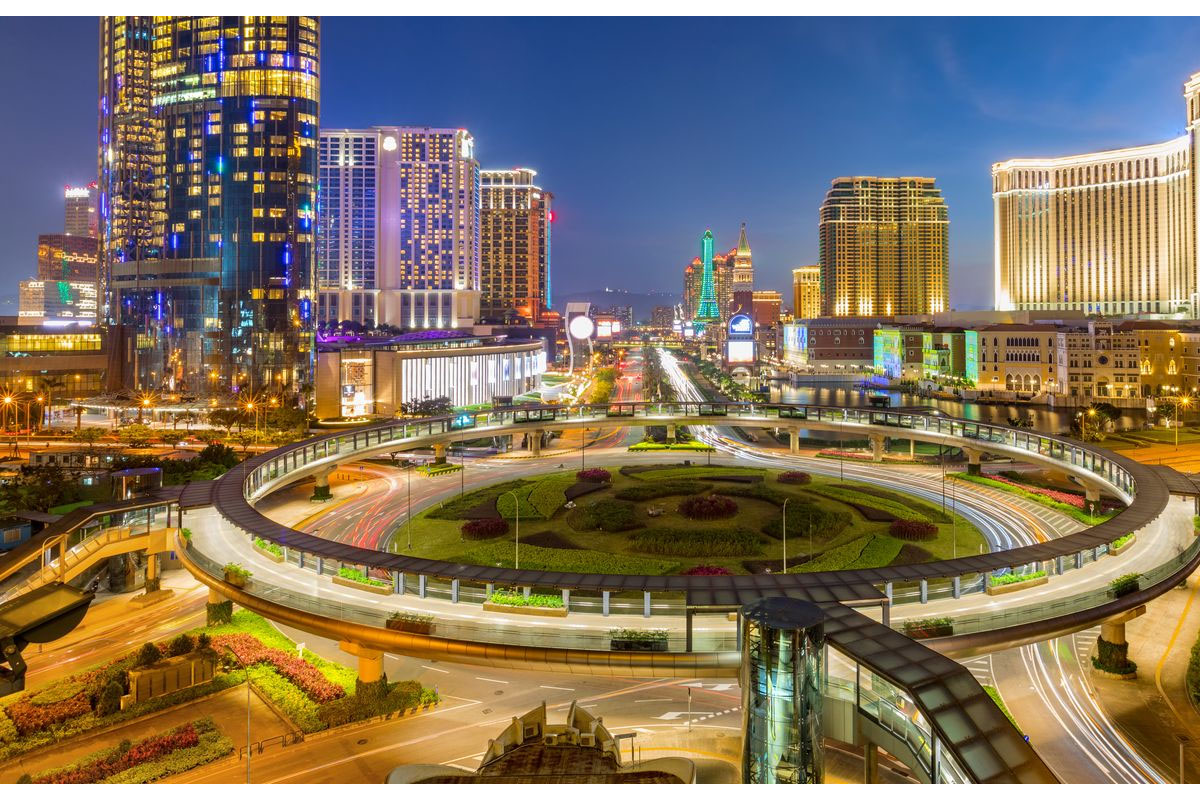
The Macao Special Administrative Region is preparing to convene the landmark 19th A-Ma Cultural and Tourism Festival from October 12 to 15, 2026. Organised by the Goddess A-Ma Foundation of Macau and supported by the Macao Foundation, this annual event brings together over 1,000 global delegates, including key representatives from China’s Taiwan region. As Macao solidifies its national position as a World Centre of Tourism and Leisure, the gathering highlights ancient maritime heritage, UNESCO inscribed intangible cultural customs, and international economic cooperation. Crucially, the grand celebration accelerates regional tourism integration while deepening commercial ties across the Greater Bay Area today.
Strategic Cultural Integration: Macao Prepares for the 19th A-Ma Cultural and Tourism Festival
The Macao Special Administrative Region (SAR) is set to host the 19th A-Ma Cultural and Tourism Festival between 12 and 15 October 2026. Organised under the leadership of the Goddess A-Ma Foundation of Macau and sponsored by the Macao Foundation, this prestigious four-day international gathering serves as a vital bridge for regional cultural exchange, economic promotion, and heritage preservation across the Asia-Pacific region and beyond.
During an official press conference held at the China Dragon Hotel in Macao, Chan Meng Kam, Chairman of the Organising Committee for the 19th A-Ma Cultural and Tourism Festival, formally announced that more than 1,000 distinguished guests from home and abroad will assemble in Macao for the high-profile gathering. Notably, the guest list includes prominent delegations, business leaders, and cultural scholars from China’s Taiwan region, underscoring the event’s crucial role in fostering cross-strait dialogue and civil collaboration.
The festival framework encompasses an extensive array of high-level events, including solemn religious ceremonies honouring the Chinese sea goddess Mazu, academic forums examining the contemporary relevance of traditional maritime culture, and targeted promotional conferences designed to deepen cultural and tourism cooperation between Fujian Province and Macao. By bringing together government officials, trade representatives, master artisans, and performing arts troupes, the festival highlights Macao’s multi-faceted identity as a global hub for cultural tourism and economic integration within the Guangdong-Hong Kong-Macao Greater Bay Area (GBA).
+-----------------------------------------------------------------------------------+| 19TH A-MA FESTIVAL OVERVIEW AT A GLANCE |+----------------------+------------------------------------------------------------+| Festival Dates | 12 October – 15 October 2026 || Key Organisers | Goddess A-Ma Foundation of Macau; Macao Foundation || Main Venues | Macao A-Ma Cultural Village, Areia Preta Park, Hengqin || Guest Attendance | 1,000+ Global Delegates (Including Taiwan Representatives) || Cultural Highlight | UNESCO-listed Mazu Belief, Nanyin Music, Yingge Dance || Strategic Expansion | Hengqin Cooperation Zone & Zhongshan Commemorative Tours |+----------------------+------------------------------------------------------------+Historical and Spiritual Foundations: The Legacy of Mazu and A-Ma Culture
The Origins of Lin Moniang and Maritime Devotion
The spiritual bedrock of the 19th A-Ma Cultural and Tourism Festival is rooted in the centuries-old veneration of Mazu, the deified persona of Lin Moniang, a historical female figure born on Meizhou Island in Fujian Province during the 10th century (Song Dynasty). Revered originally by coastal communities for her legendary miraculous ability to predict weather patterns and rescue imperilled seafarers, Lin Moniang evolved over successive dynasties into China’s pre-eminent maritime deity.
As trade routes expanded along the Maritime Silk Road, the worship of Mazu spread dynamically across coastal China, Southeast Asia, and global diaspora hubs. Sailors, merchants, and migrants established temples dedicated to Tin Hau or A-Ma wherever they settled, turning the belief system into an enduring cultural link binding overseas Chinese communities to their ancestral lands.
UNESCO World Intangible Cultural Heritage Inscription
In 2009, UNESCO officially inscribed “Mazu belief and customs” onto the Representative List of the Intangible Cultural Heritage of Humanity. UNESCO recognised that Mazu worship embodies core human values of benevolence, courage, selflessness, and peaceful coexistence, serving as an essential vehicle for cultural identity and social cohesion across geographical boundaries.
+-------------------------------------------------------------------------+ | EVOLUTION OF MAZU HERITAGE & MACAO ETYMOLOGY | | | | 10th Century: Lin Moniang Deified in Fujian as Sea Protector | | │ | | ▼ | | 15th Century: Spread of Maritime Belief across Global Trade Routes | | │ | | ▼ | | 16th Century: Portuguese Arrive at A-Ma Temple -> Named "Macau" | | │ | | ▼ | | 2009: UNESCO Inscribes Mazu Belief as Intangible Cultural Heritage | | │ | | ▼ | | 2026: Macao Convenes 19th A-Ma Cultural and Tourism Festival | +-------------------------------------------------------------------------+Macao as the Cradle of A-Ma Heritage
Macao holds a unique position in the global Mazu landscape. The city’s very name originates from the local phrase A-Ma-Gau (Bay of A-Ma), coined when Portuguese sailors landed near the historic A-Ma Temple in the 16th century. The A-Ma Temple, built in 1488, predates the establishment of the modern city itself and forms an integral component of the Historic Centre of Macao, a UNESCO World Heritage site.
Throughout Macao’s history, A-Ma culture has provided a harmonious bridge between Eastern and Western civilizations. Today, the 19th A-Ma Cultural and Tourism Festival leverages this deep-rooted heritage to showcase how historical traditions can adapt to modern urban tourism while maintaining cultural authenticity.
Four-Day Festival Itinerary: Ceremonies, Performances, and Trade Matching
The Organising Committee, led by Executive Chairperson Ngan Iek Peng, has structured a diverse four-day itinerary designed to engage both spiritual devotees and casual tourists:
+-----------------------------------------------------------------------------------+| FESTIVAL PROGRAMME SCHEDULE |+---------------------+-------------------------------------------------------------+| Date | Key Agenda Events |+---------------------+-------------------------------------------------------------+| 12 October 2026 | Fujian-Macao Culture & Tourism Promotion Meeting || | Thematic Seminar on Contemporary Mazu Significance |+---------------------+-------------------------------------------------------------+| 13 October 2026 | Official Opening Ceremony & Pilgrimage (Coloane 10:00 AM) || | Grand A-Ma Statue Parade (Fai Chi Kei to Areia Preta Park) || | Live Nanyin Music Performance (Areia Preta Park 8:00 PM) |+---------------------+-------------------------------------------------------------+| 14 October 2026 | Traditional Craft Exhibitions & Intangible Heritage Demos || | Business Matching & Producer-Buyer Trade Platform |+---------------------+-------------------------------------------------------------+| 15 October 2026 | Cross-Strait Commemorative Visits to Hengqin and Zhongshan |+---------------------+-------------------------------------------------------------+Academic Seminars and Trade Promotions
The festival opens on 12 October 2026 with an international academic seminar investigating the modern economic and diplomatic significance of Mazu culture. Scholars, urban planners, and tourism authorities will evaluate how maritime heritage can power sustainable development along the Maritime Silk Road. Concurrently, the Fujian-Macao Culture and Tourism Promotion Meeting will focus on reciprocal travel itineraries and Joint Destination Marketing between East China and Macao.
Grand Ceremonies, Pilgrimages, and Public Processions
On the morning of 13 October 2026, the official opening ceremony and solemn A-Ma pilgrimage will take place at the Macao A-Ma Cultural Village situated atop Coloane Hill. Thousands of devotees will participate in traditional incense offerings, ritual sacrifices, and musical prayers designed to invoke peace, prosperity, and safe maritime passage.
Later that afternoon at 3:00 p.m., the revered statue of A-Ma from the Macao Tin Hau Temple in Coloane will embark on a grand parade. Commencing along the Fai Chi Kei waterfront and culminating in Areia Preta Park, the procession will allow local residents and visiting pilgrims to offer blessings. The parade will feature over 30 traditional performance troupes comprising more than 3,000 participants. A key international highlight includes the dynamic Yingge Dance Troupe from the Xilu Tin Hau Temple in Shantou, bringing high-energy folk dancing to the streets of Macao.
GRAND PARADE ROUTE (13 OCTOBER 2026) [ Coloane Tin Hau Temple ] ──────► [ Fai Chi Kei Waterfront ] (Start 3:00 PM) │ ▼ [ Street Procession ] (3,000+ Performers & Troupes) │ ▼ [ Areia Preta Park ] ◄──────────────────────────┘ (Evening Nanyin Performance at 8:00 PM)Cultural Showcases: Performers and Artisans
The 2026 edition features three major state-level artistic troupes from Fujian Province: the Fujian Song and Dance Theatre, the Fujian Symphony Orchestra, and the Fujian Acrobatics Troupe. Together, they will stage “Melodies of Fujian” in Macao, blending orchestral music, traditional folk dance, and high-altitude acrobatics.
On the evening of 13 October 2026 at 8:00 p.m., Areia Preta Park will host a special performance of Nanyin music, an ancient musical genre from Quanzhou, Fujian. Considered a “living fossil” of traditional Chinese music and listed separately on UNESCO’s Intangible Cultural Heritage list, Nanyin uses classical instruments such as the pipa and dongxiao to perform court melodies dating back to the Tang Dynasty.
B2B Matchmaking and Craft Demonstrations
In parallel with the public festivities, the Fujian Provincial Department of Industry and Information Technology has arranged interactive master artisan exhibitions. Visitors can watch live demonstrations of woodcarving, lacquerware craftsmanship, porcelain sculpting, and traditional embroidery. A dedicated business matching platform will connect regional cultural producers with global buyers, translating traditional crafts into commercial opportunities.
Cross-Strait Synergy and Historical Commemorations
Honouring the 160th Anniversary of Sun Yat-sen’s Birth
A defining feature of the 19th A-Ma Cultural and Tourism Festival is its integration with broader historical commemorations. To mark the upcoming 160th anniversary of Sun Yat-sen’s birth—a figure revered across Mainland China, Macao, Hong Kong, and Taiwan—organisers have designed specific educational and cultural exchange itineraries for international and Taiwanese delegates.
Dr Sun Yat-sen spent formative years practicing medicine and engaging in revolutionary activities in Macao before founding modern China. By linking Mazu’s cultural heritage with Dr Sun’s historical legacy, the festival provides a neutral, culturally rich platform for cross-strait dialogue.
Educational Itineraries to Hengqin and Zhongshan
Delegates from Taiwan and overseas will travel beyond Macao’s borders to visit key regional locations:
- Guangdong-Macao In-Depth Cooperation Zone in Hengqin: Delegates will tour state-of-the-art innovation parks, commercial centres, and integrated urban developments to observe firsthand the economic integration occurring between Macao and Mainland China.
- Sun Yat-sen’s Former Residence in Zhongshan: Participants will travel to Cuiheng Village in nearby Zhongshan City to explore the museum and historic estate dedicated to Dr Sun’s life, reinforcing shared cultural and historical roots.
+-----------------------------------------------------------------------------------+| CROSS-STRAIT CULTURAL & ECONOMIC DELEGATION ROUTE |+-----------------------------------------------------------------------------------+| || [ Macao SAR ] ───► [ Hengqin Cooperation Zone ] ───► [ Zhongshan Residence ] || Cultural Forum Economic & Infrastructure Tour Sun Yat-sen 160th Tribute || |+-----------------------------------------------------------------------------------+Macao’s 2026 Tourism Boom: Milestone Achievements and Statistical Analysis
The hosting of the 19th A-Ma Cultural and Tourism Festival comes during a period of robust growth for Macao’s tourism and hospitality sectors. Official data released by the Public Security Police Force and the Statistics and Census Service (DSEC) demonstrates that Macao’s post-pandemic recovery strategy is yielding strong results.
+-----------------------------------------------------------------------------------+| MACAO TOURISM VISITOR ARRIVALS (JAN - AUG 2026) |+-----------------------+-----------------------+---------------------+-------------+| Source Market | Visitor Arrivals | Share of Total (%) | YoY Growth |+-----------------------+-----------------------+---------------------+-------------+| Mainland China | 21.54 Million | 74.4% | +10.0% || Hong Kong SAR | 4.87 Million | 16.8% | -1.8% || International Markets | 1.76 Million | 6.1% | +3.4% || Taiwan Region | 780,000 | 2.7% | +21.7% |+-----------------------+-----------------------+---------------------+-------------+| TOTAL (Jan–Aug 2026) | 28.95 Million | 100.0% | +8.0% |+-----------------------+-----------------------+---------------------+-------------+The 30 Million Visitor Threshold Milestone
By 11:00 a.m. on 11 September 2026, Macao recorded its 30 millionth visitor arrival for the year. This milestone was reached 22 days earlier than in 2025, highlighting the effectiveness of Macao’s expanded international marketing and visa easing initiatives.
ANNUAL VISITOR MILESTONE TIMELINE (REACHING 30 MILLIONS) 2025: █ █ █ █ █ █ █ █ █ █ █ █ █ █ █ █ █ █ █ █ (Reached 3 October 2025) 2026: █ █ █ █ █ █ █ █ █ █ █ █ █ █ █ █ █ (Reached 11 September 2026) ◄── 22 Days Earlier!During the first eight months of 2026 (January to August), Macao welcomed an aggregate of 28.95 million visitors, representing a daily average of over 119,000 arrivals and an 8% increase compared with the same period in 2025. In August 2026 alone, visitor arrivals reached 4.46 million, up 5.7% year-on-year. The single-day record for 2026 was set on 2 May during the Labour Day Golden Week, when 247,000 visitors entered the SAR in 24 hours.
Source Market Breakdown and Passenger Aviation Expansion
Mainland China remains Macao’s primary feeder market, supplying 21.54 million visitors in the first eight months of 2026—a 10% year-on-year surge fostered by expanded exit-visa policies in neighboring cities like Zhuhai. Hong Kong contributed 4.87 million visitors, while Taiwan recorded a 21.7% jump to 780,000 arrivals.
Overseas international travel grew by 3.4%, bringing 1.76 million visitors to Macao between January and August 2026. South Korea led international arrivals with 340,000 visitors, followed by the Philippines (330,000) and Thailand (140,000).
This influx has been matched by growing passenger numbers at Macau International Airport, which processed 5.21 million air passengers during the first eight months of 2026—a 5.6% year-on-year increase driven by new direct routes connecting Macao to Southeast Asia and East Asia.
+-----------------------------------------------------------------------------------+| TOP INTERNATIONAL SOURCE MARKETS (JAN - AUG 2026) |+-----------------------------------+-----------------------------------------------+| South Korea | 340,000 Visitors || Philippines | 330,000 Visitors || Thailand | 140,000 Visitors |+-----------------------------------+-----------------------------------------------+Economic Diversification and the “1+4” Development Strategy
Aligning Cultural Festivals with Economic Realities
Macao’s overarching economic agenda is guided by the SAR Government’s “1+4” Appropriate Economic Diversification Strategy. This economic framework aims to enrich Macao’s primary role as a World Centre of Tourism and Leisure (“1”) while expanding four target emerging sectors (“4”):
- Big Health and Traditional Chinese Medicine
- Modern Financial Services
- High-Technology Research and Development
- Conventions, Exhibitions, Culture, and Sports
MACAO "1+4" DIVERSIFICATION STRATEGY ┌──────────────────────────────────┐ │ World Centre of Tourism & Leisure│ └─────────────────┬────────────────┘ │ ┌────────────────────────────┼────────────────────────────┐ ▼ ▼ ▼┌─────────────────┐ ┌─────────────────┐ ┌─────────────────┐│ Big Health & │ │ Modern Finance │ │ High Technology ││ TCM Sector │ │ & Banking │ │ & Innovation │└─────────────────┘ └─────────────────┘ └─────────────────┘ │ ▼ ┌─────────────────┐ │ MICE, Culture, │ ◄── [ 19th A-Ma Festival ] │ & Sports Hub │ └─────────────────┘The 19th A-Ma Cultural and Tourism Festival directly aligns with the fourth pillar by turning cultural traditions into tangible economic activities. By drawing thousands of high-spending delegates and domestic visitors, the festival boosts hotel occupancy rates, stimulates local retail and catering businesses, and generates revenue for event management, transport, and creative design industries.
Cross-Sectoral Synergy: Culture, MICE, and Retail
By combining academic conventions with street parades, performing arts, and trade showcases, the festival illustrates how cultural tourism can drive economic diversification. It transitions visitors from passive sightseeing to active participation in local heritage, lengthening their average stay and encouraging deeper spending within Macao’s historic neighborhoods.
Guangdong-Macao In-Depth Cooperation Zone in Hengqin: Regional Progress
Macroeconomic Growth Metrics (H1 2026)
The inclusion of Hengqin Island in the festival’s official delegation itinerary highlights the expanding economic links between Macao and Guangdong Province. Official macroeconomic data released by the Hengqin Statistics Bureau demonstrates rapid structural growth in the Guangdong-Macao In-Depth Cooperation Zone during the first half of 2026:
+-----------------------------------------------------------------------------------+| HENGQIN IN-DEPTH COOPERATION ZONE METRICS (H1 2026) |+-----------------------------------+--------------------+--------------------------+| Economic Indicator | H1 2026 Value | Year-on-Year Growth |+-----------------------------------+--------------------+--------------------------+| Gross Domestic Product (GDP) | 28.687 Billion RMB | +7.5% || Total Foreign Trade (Imp & Exp) | 36.150 Billion RMB | +60.2% || Total Export Value | 25.689 Billion RMB | +86.1% || Total Import Value | 10.462 Billion RMB | +19.4% || Retail Sales of Consumer Goods | 3.184 Billion RMB | +24.5% || High-Tech Manufacturing Added Val | N/A | +648.8% |+-----------------------------------+--------------------+--------------------------+Expanding Macao Enterprise Footprint in Hengqin
As of late June 2026, the Cooperation Zone housed 8,193 Macao-invested business entities—a year-on-year increase of 11.5%. Macao enterprises now account for 15.4% of all registered businesses in Hengqin, up 3.0 percentage points from mid-2025.
High-tech manufacturing added value exploded by 648.8% year-on-year in H1 2026, driven by microelectronics, biomedical research, and artificial intelligence ventures jointly operated by Macao and mainland firms. The integration of Hengqin gives Macao the spatial and industrial capacity to scale its cultural and economic initiatives beyond its traditional geographical boundaries.
HENGQIN ENTERPRISE DENSITY (MACAU-INVESTED ENTITIES) Mid-2025: [12.4% of Total Entities] Mid-2026: [15.4% of Total Entities] ◄── 8,193 Macao Business Entities Registered!Policy Frameworks, Governmental Directives, and Future Outlook
Official Declarations and Institutional Support
The success of the 19th A-Ma Cultural and Tourism Festival is backed by multi-tiered policy support from both central and local authorities. Organised by the Goddess A-Ma Foundation of Macau and funded by the Macao Foundation, the event benefits from structural assistance provided by the Macao SAR Cultural Affairs Bureau (IC), the Macao Government Tourism Office (MGTO), and the Fujian Provincial Department of Industry and Information Technology.
+-----------------------------------------------------------------------------------+| GOVERNANCE & INSTITUTIONAL FRAMEWORK |+-----------------------------------------------------------------------------------+| [ Central Government / Ministry of Culture and Tourism ] || │ Provides Macro Guidance, UNESCO Heritage Standards, and Cross-Strait Frameworks|| ▼ || [ Macao SAR Government (MGTO & Cultural Affairs Bureau) ] || │ Enacts Local Preservation Laws, Destination Marketing, Infrastructure || ▼ || [ Goddess A-Ma Foundation of Macau & Macao Foundation ] || │ Executes Festival Operations, Philanthropic Funding, B2B Trade Coordination |+-----------------------------------------------------------------------------------+Official directives emphasize that cultural festivals must serve a dual purpose: preserving historic customs for future generations while generating measurable economic opportunities for modern communities.
Long-Term Vision for Mazu Cultural Preservation
Looking ahead, the organizers plan to expand digital archiving for intangible cultural heritage assets, develop interactive cross-strait youth exchange programs, and establish permanent exhibition platforms for maritime heritage in Macao and Hengqin.
As Macao targets over 40 million annual visitor arrivals for full-year 2026, events like the 19th A-Ma Cultural and Tourism Festival demonstrate how traditional heritage can power sustainable tourism growth while preserving the city’s unique history.
The post Macao Hosts 19th A-Ma Cultural and Tourism Festival: A Global Strategic Landmark in Cultural Heritage appeared first on Travel and Tour World