
















Texas Dark Sky Tourism Travel Journeys Are Mesmerizing Wandering Spirits Escaping Blinding Urban Skies, Here’s The Update
-
Travel, Health, Immigration, Culture
-
-
9 mins
-
Travel and Tour World
-
Upasana Chatterjee
-


Discover how Texas astro-tourism and dark-sky preserves protect wildlife, boost rural real estate, and power a multi-million-dollar night economy.
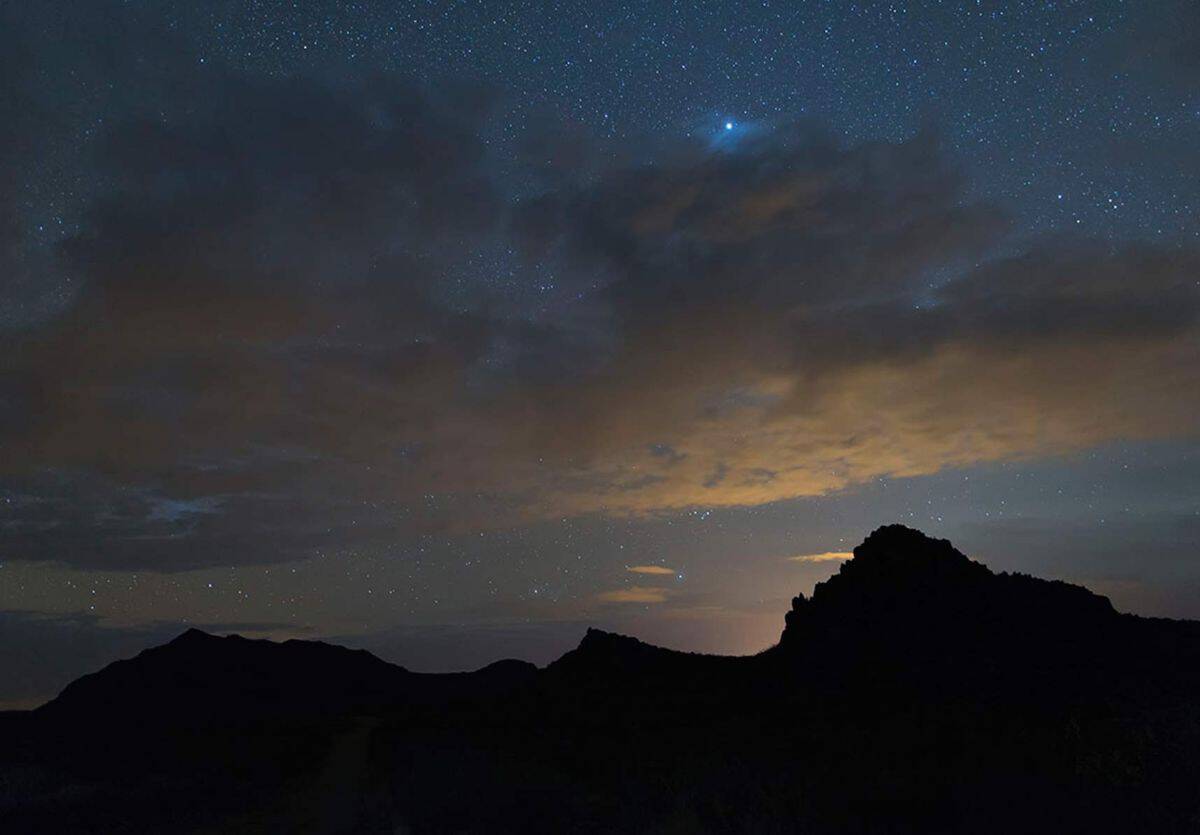
Have you ever stared up at the night sky. Felt that deep quiet pull of wonder? Most of us grew up under a cloudy sky blinded by city lights completely forgetting what a real night looks like.. Out, in the wide-open heart of Texas something special is growing. Communities are coming together to push back against the growing glow of sprawl bringing back the deep black sky that our ancestors once knew. It’s a movement that starts with respect a shared effort to protect the stars restore our tired souls and fall in love with the endless velvet dark all over again.
How Is Commercial Infrastructure Built Across Dark-Sky Preserves in Texas?
The commercial dark-sky infrastructure across Texas rests on strategic public-private partnerships uniting state government bodies, academic institutions, and dedicated conservation non-profits. The Greater Big Bend International Dark Sky Reserve spans over 15,000 square miles across West Texas and Northern Mexico, proudly standing as the largest certified International Dark Sky Reserve worldwide. Core entities including the McDonald Observatory, Big Bend National Park, Big Bend Ranch State Park, Black Gap Wildlife Management Area, and neighboring gateway towns like Alpine, Marfa, and Terlingua collaborate seamlessly to preserve pristine skies. This cooperative network successfully attracts long-stay ecotourists, academic researchers, and professional photographers who seek out world-class Bortle Class 1 dark skies for uninterrupted observation and study.
At the state level, the Texas Parks and Wildlife Department meticulously manages designated International Dark Sky Parks, including Enchanted Rock State Natural Area, South Llano River State Park, Copper Breaks State Park, Caprock Canyons State Park, and Big Bend Ranch State Park. State park officials actively monitor light conditions using Sky Quality Meters, install fully shielded outdoor fixtures, and host engaging constellation interpretative programs for visiting families and enthusiasts. Meanwhile, pioneering municipalities such as Dripping Springs the very first designated International Dark Sky Community in Texas mandate amber LED outdoor lighting to aggressively combat suburban light glare. This rigorous dark-sky status continuously attracts high-value nocturnal wedding venues, boutique bed-and-breakfasts, and specialized event spaces that thrive on tranquil evening aesthetics.
Why Are Night-Time Urban Walking Tours and Bat Watching Surging Across Texas?
Urban noctourism in Texas artfully merges night-sky education, architectural heritage, nocturnal ecology, and vibrant local pedestrian commerce within bustling city centers. In downtown Austin, the Ann W. Richards Congress Avenue Bridge proudly hosts the largest urban bat colony in North America, consisting of Mexican free-tailed bats (Tadarida brasiliensis) and drawing over 140,000 eager visitors every single year. Supported by active collaborations involving Bat Conservation International, the Texas Parks and Wildlife Department, and the Austin Convention & Visitors Bureau, dedicated bat viewing generates direct, high-volume hospitality spending across downtown hotels, trendy restaurants, and specialized tour boat operators.
Similarly, historical night-time walking tours along the famous San Antonio River Walk, historic San Antonio, and the historic Galveston Historic District promote immersive evening heritage tourism for culture seekers. Certified local preservation groups lead captivating walking tours that highlight municipal history, dark folklore, and historic architectural masterpieces long after the sun sets. Furthermore, local parks departments in San Antonio and Austin coordinate inclusive community astronomy walks in partnership with DarkSky Texas advocates, powerfully demonstrating that night-time tourism thrives within suburban and urban environments alike.
How Do Celestial Events and Astronomy Drive Rural Economies Throughout Texas?
Major astronomical events including historic solar eclipses, recurring meteor showers like the Perseids and Geminids, planetary oppositions, and bright comets serve as powerful financial catalysts for rural counties across Texas. Regional visitor inflows during recent landmark celestial spectacles brought unprecedented surges in visitor spending, lodging occupancy, and local sales tax collection across the Texas Hill Country, San Antonio, Austin, and Dallas–Fort Worth. Municipal financial tracking across rural Hill Country communities in Kerr County, Gillespie County, and Kendall County recorded remarkable 100% hotel occupancy and heavily elevated Hotel Occupancy Tax revenues during these key event windows.
Outside of major eclipse paths, the McDonald Observatory in Fort Davis remains an unmatched year-round economic engine for the western half of the state. Its highly popular public Star Parties, specialized telescope viewings, and educational tours attract thousands of paid visitors annually, directly supporting regional dining, lodging, and transport networks throughout West Texas. Visitors frequently combine their observatory trips with explorations of nearby scenic spots, ensuring that sustainable astro-tourism injects reliable, year-round capital into rural communities that might otherwise struggle with seasonal economic downturns.
What Regulatory Frameworks Protect the Pristine Dark Skies of Texas?
Protecting dark skies requires active, enforceable regulatory frameworks, especially given intensive industrial energy production happening within regions like the Permian Basin. To effectively mitigate light trespass around the McDonald Observatory and surrounding protected state land, astronomical leaders collaborated directly with the Permian Basin Petroleum Association and regional energy producers. Together, they established robust industrial lighting standards that mandate downward-shielded fixtures, motion sensors, and low-kelvin warm-white or amber LEDs to minimize atmospheric blue-light scattering and preserve visibility.
At the legislative level, vital provisions within the Texas Health and Safety Code empower border counties and local jurisdictions near sensitive astronomical observatories such as Jeff Davis County to enforce binding outdoor lighting regulations. Forward-thinking municipalities like Blanco, Wimberley, Fredericksburg, and Horseshoe Bay have successfully integrated DarkSky-compliant standards directly into their comprehensive urban development codes. These combined policy steps ensure that invaluable astronomical observation assets remain completely protected against the gradual spread of modern light pollution.
How Does Darkness Preservation Protect Texas Ecosystems and Wildlife Migration Corridors?
The conservation of natural darkness across Texas plays a fundamental role in maintaining regional biological stability and safeguarding critical wildlife corridors. Over 1.9 billion migratory birds navigate along the Central Flyway through Texas each year, representing nearly 33% of all landbird migrations across the United States. Artificial light pollution disrupts these avian travel paths by disorienting species, altering seasonal migration timing, and precipitating fatal collisions with illuminated urban structures. By adopting fully shielded amber LED light fixtures with color temperatures at or below 2700 Kelvin, municipalities and park authorities cut energy consumption by 50% to 70% while simultaneously reducing harmful disorienting light scatter across sensitive migratory routes.
Beyond avian protection, darkness preservation underpins the delicate reproductive and feeding behaviors of resident nocturnal fauna. Roughly 80% of local Texas amphibian and insect species rely directly on uninterrupted photoperiods to hunt, forage, and avoid natural predators. Uncontrolled nighttime glare disrupts feeding cycles and impairs mating displays, causing localized population declines among crucial pollinator species. Implementing low-intensity, downward-directed lighting shields key ecological habitats, ensuring that critical environmental services remain intact across state parks and wilderness preserves.
What Is the Commercial Return on Investment for Dark-Sky Hospitality and Rural Real Estate in Texas?
Dark-sky designation has evolved into a lucrative financial asset for hospitality developers and rural property owners across Texas. Accommodation providers situated within certified dark-sky counties command a 25% to 40% premium on their Average Daily Rate compared to non-certified rural lodging establishments. Specialized stargazing accommodations—including custom geodesic glass domes, off-grid cabins, and luxury yurt retreats—routinely achieve room rates ranging from $180.00 to over $450.00 per night. These boutique ventures maintain robust off-peak winter occupancy levels between 65% and 75%, effectively eliminating traditional seasonal downturns for rural operators.
The economic benefits extend beyond short-term lodging into real estate valuation and municipal tax bases. Residential and commercial properties in designated International Dark Sky Communities, such as Dripping Springs and Wimberley, enjoy an estimated 10% to 15% appraisal premium linked directly to strict aesthetic controls, noise abatement, and light pollution mitigation. Real estate buyers increasingly seek out these protected nightscapes for tranquility and natural preservation. Consequently, local governments collect higher property and sales taxes, proving that dark-sky conservation generates sustained financial yields for local communities.
How Do Scientists and Parks Measure Sky Quality and Atmospheric Light Pollution in Texas?
Quantifying night-sky purity requires precise scientific measurement protocols based on sky radiance metrics and atmospheric light scattering mechanics. Research institutions and park officials rely on the Bortle Dark-Sky Scale, which ranks sky brightness from Class 1 (pristine black skies) to Class 9 (inner-city skyglow). West Texas reserves maintain a pristine Bortle Class 1 rating with radiance measurements between 21.7 and 22.0 magnitudes per square arcsecond. In stark contrast, metropolitan corridors like Houston and Dallas register at Bortle Class 8 or 9, where excessive skyglow obscures almost all visible stars.
To monitor subtle shifts in atmospheric clarity, conservationists employ handheld and stationary Sky Quality Meters. Every unit increase on the magnitude per square arcsecond scale represents a 2.5-fold reduction in total sky brightness, allowing park authorities to track lighting changes over time. Additionally, technical standards mandate that outdoor light fixtures remain below a strict 2700 Kelvin threshold, favoring amber emissions between 1800 and 2200 Kelvin. Restricting shorter blue light wavelengths near 450 nanometers prevents Rayleigh scattering in the upper atmosphere, preserving optical clarity for research observatories and casual observers alike.
How Is the Texas Energy Sector Engineering Lighting Standards to Shield Astronomical Research?
Industrial energy operations in West Texas present unique challenges for darkness preservation, prompting unprecedented engineering collaborations between industrial leaders and scientific institutions. To mitigate light trespass threatening optical research at the McDonald Observatory, university astronomers partnered with energy producers to retrofit active industrial installations across the Permian Basin. This initiative resulted in lighting overhauls across more than 3,000 active oil and gas drilling sites, proving that major industrial operations can coexist with world-class astronomical research.
The engineering guidelines focus on strict directional control and automated management systems. Compliance protocols require industrial facilities to install zero-uplight fixtures that conform to a 90-degree full cutoff standard, completely eliminating upward light spill. Facilities also integrate automated motion sensors and timer controls on temporary structures, cutting unnecessary site illumination by up to 80%. These practical technical modifications drastically reduce atmospheric glare while maintaining safety and operational standards across active energy fields.
In What Ways Does Dark-Sky Exposure Drive the Growing Sleep and Wellness Tourism Economy?
The health benefits associated with natural sleep cycles have created a growing market for circadian-focused wellness travel across rural Texas. Exposure to artificial light at night in excess of 10 lux suppresses human melatonin production by up to 50%, disrupting sleep architecture and contributing to chronic physiological fatigue. Health-conscious travelers increasingly book dark-sky retreats to reset their internal biological clocks through complete nighttime darkness, driving growth in the multi-billion-dollar global wellness tourism sector.
This health-driven demand translates directly into longer visitor stays and higher overall spend in rural destinations. Guests seeking sleep restoration extend their rural stays from an average of 1.5 nights to 3.5 nights when participating in organized night walks, stargazing sessions, and dark-sky wellness retreats. Visitors spend an average of $1,200.00 per multi-day retreat on specialized lodging, organic local dining, and guided nature immersion. By marketing natural darkness as a health amenity, rural communities capture high-yield wellness tourism revenue.
How Are Astrophotographers and Tech Enthusiasts Fueling High-Yield Rural Tourism?
Dedicated astrophotographers and technology-driven travelers represent one of the highest-spending consumer segments within the Texas noctourism ecosystem. Professional and hobbyist astrophotographers regularly travel with sophisticated equipment setups—including equatorial star trackers, modified digital camera sensors, and wide-aperture optical lenses—valued between $3,500.00 and $12,000.00. These travelers require multi-night stays in deep-sky locations to capture complex deep-sky imagery, generating consistent lodging and dining expenditures in remote gateway towns.
Furthermore, educational masterclasses and camera workshops hosted in destinations like Big Bend and Palo Duro Canyon command tuition fees between $1,500.00 and $3,000.00 per participant. These specialized workshops attract affluent photography enthusiasts who reinvest in local guide services, park passes, and off-grid rentals. The striking high-resolution imagery captured during these excursions produces a digital ripple effect, generating over 400% growth in organic social media reach for participating state parks and rural tourist boards.
How Does Dark-Sky Tourism Revitalise Rural Municipal Economies and Small Businesses in Texas?
Night-sky preservation delivers vital economic stability to isolated mountain and desert towns across Texas by creating year-round revenue streams. In gateway communities such as Alpine, Marfa, and Fort Davis, nocturnal visitors contribute between 12% and 18% of total annual municipal sales tax collections. Tourism supports over 1.3 million jobs statewide, and the dark-sky sector provides crucial economic cushioning for small business owners during traditional off-peak travel months.
Municipalities leverage this economic influx by reinvesting Hotel Occupancy Tax revenues directly back into local conservation infrastructure. Towns allocate up to 15% of these tax receipts to fund public dark-sky education, night-sky festivals, and municipal streetlamp retrofitting projects. These local investments ensure that public parks, historical districts, and civic spaces adopt fully shielded lighting, creating a self-sustaining cycle where tax revenues fund environmental protections that attract future visitors.
How Does Cultural Ethno-Astronomy Enrich Heritage Night Tours Across Historic Texas Landscapes?
Heritage noctourism in Texas incorporates deep cultural histories by integrating Indigenous star lore, ancient navigation practices, and archaeological preservation into night tour itineraries. Historic sites like Hueco Tanks State Park & Historic Site and Caddo Mounds preserve Native American rock art and astronomical alignment markers spanning more than 10,000 years of human interaction with the night sky. Incorporating these ancient cultural narratives into night tours offers visitors a rich, educational perspective on how early inhabitants interpreted celestial movements.
Market surveys reveal that over 85% of nocturnal tour participants request cultural storytelling and traditional star lore as part of their stargazing itineraries. Responding to this demand, Texas state parks and tribal heritage groups host dozens of annual cultural night walks. These guided excursions connect physical rock art sites and historical landscapes with seasonal constellation movements, elevating standard astronomy viewing into an immersive cultural heritage experience.
The Final Verdict
When we protect the night we take back a part of our heart. Out beneath the never-ending Texas sky as city sounds disappear into quiet the universe shows its peaceful beauty. It makes us remember how small we are. Also how strongly linked to everything nearby. This is not about helping tourism or making streetlights less bright; it is about keeping a feeling that quick amazing silence when you look up at millions of stars. Long as Texas keeps the darkness wild and open anyone looking up will always be able to find their way back, to amazement.
The post Texas Dark Sky Tourism Travel Journeys Are Mesmerizing Wandering Spirits Escaping Blinding Urban Skies, Here’s The Update appeared first on Travel and Tour World














































































