
















Chicago Is Under Seriously Concerning Conditions as Sheraton Grand and Similar Other Hotels Call for Strikes
-
Travel, Health, Food, Entertainment
-
-
12 mins
-
Travel and Tour World
-
Anamika Talukder
-

Chicago hotel strikes hit six downtown properties, raising concerns for Marriott, Hilton, tourists and the busy convention and holiday travel season.
Chicago has been raising concerns as hotel strikes across the city’s tourism industry as workers at six major downtown properties walk off the job during one of the busiest travel periods of the year. The labor dispute, involving hotels affiliated with Marriott, Hilton and other hospitality operators, threatens to disrupt guest services, complicate travel arrangements and create uncertainty for visitors attending conventions, business meetings and seasonal events.
The disruption began just before the Chicago Marathon, bringing fresh uncertainty for thousands of visitors. With approximately 7,000 employees involved in contract negotiations across 46 hotels, fears of further industrial action are mounting. As conventions, business travel and holiday bookings approach, the city’s hospitality industry faces a critical challenge: protecting visitor experiences while resolving employee demands.
Which Chicago hotels are affected by the October 2026 strikes?
| Hotel | Area of Chicago | Hotel brand | Reported situation |
|---|---|---|---|
| Sheraton Grand Chicago Riverwalk | Streeterville, near Chicago Riverwalk | Marriott | Workers on strike; picketing documented |
| Waldorf Astoria Chicago | Gold Coast | Hilton | Workers participating in strike |
| Palmer House, a Hilton Hotel | The Loop | Hilton | Workers participating in strike |
| The Westin Chicago River North | River North | Marriott | Workers on strike; a guest reported delayed check-in and unavailable room service |
| The Westin Michigan Avenue Chicago | Magnificent Mile | Marriott | Workers participating in strike |
| Millennium Knickerbocker Chicago | Near Magnificent Mile | Millennium | Workers participating in strike |
Which Major Chicago Hotels Are Affected by the October 2026 Strikes?
Six prominent Chicago hotels became the focus of industrial action beginning October 9, placing several of the city’s busiest visitor districts at the center of the dispute.
The affected properties include Sheraton Grand Chicago Riverwalk, Waldorf Astoria Chicago, Palmer House, a Hilton Hotel, The Westin Chicago River North, The Westin Michigan Avenue Chicago and Millennium Knickerbocker Chicago.
These hotels serve different segments of Chicago’s travel market, including luxury vacationers, corporate visitors, convention delegates and international tourists.
Their locations make the dispute particularly significant. Several properties sit near the Chicago Riverwalk, Magnificent Mile and the Loop, where visitors frequently stay for shopping, sightseeing, business meetings and major events.
Workers have participated in picket lines outside affected hotels, while management teams have continued operating their properties.
However, continued operations do not necessarily guarantee normal service levels. Reports of delayed check-ins and unavailable room service at some properties have highlighted the practical challenges of maintaining hospitality operations during labor disruptions.
Why Are Chicago Hotel Workers Demanding Better Contracts and Working Conditions?
The Chicago hotel strikes reflect disagreements over wages, employee benefits, workplace protections and staffing conditions.
UNITE HERE Local 1 represents hospitality employees who perform essential hotel operations, including housekeeping, food preparation, guest services and other responsibilities.
The union argues that workers need stronger compensation and employment protections as living expenses continue to place pressure on household finances.
Healthcare coverage, pension benefits and manageable workloads are among the major issues influencing negotiations.
Workers have also raised concerns about staffing levels and the physical demands of maintaining hotel operations with limited personnel.
The dispute follows the expiration of contracts at most of the affected properties on August 31, 2026.
According to union reporting, approximately 85% of participating workers supported authorizing strike action, demonstrating substantial backing for the negotiating position.
However, negotiations also involve hotel management’s operational and financial considerations.
The challenge for both sides is reaching agreements that address employee concerns while allowing hotels to maintain competitive and financially sustainable operations.
How Did the Chicago Marathon Intensify Concerns About Hotel Disruptions?
The timing of the strikes created immediate concerns because the walkouts began shortly before the October 11 Chicago Marathon.
The internationally recognized sporting event attracts thousands of participants, supporters and visitors, generating substantial demand for hotel rooms, restaurants and transportation services.
Approximately 55,000 runners were expected to participate in the 2026 event, with more than three-quarters coming from outside Illinois.
Many marathon visitors arrange accommodation months in advance, often selecting centrally located hotels for convenient access to transportation and race-related activities.
The affected downtown properties occupy locations that are particularly attractive to these travelers.
Although the marathon proceeded, the labor dispute introduced additional uncertainty for guests expecting normal hotel services.
Some visitors reportedly encountered delays or reduced amenities, illustrating how workforce disruptions can affect the travel experience without requiring hotels to close.
The marathon weekend also demonstrated the broader economic importance of dependable hospitality services during major events that bring international attention to Chicago.
Could Chicago’s Hotel Strikes Disrupt Conventions and Corporate Travel?
Chicago’s convention industry faces potential complications if hotel labor disputes continue beyond the marathon weekend.
The city is a major destination for corporate conferences, trade exhibitions, professional gatherings and association meetings.
These events depend on reliable accommodation, catering, housekeeping and guest services, particularly when large groups arrive simultaneously.
October and November are important months for Chicago’s meetings and conventions sector, increasing the significance of the current dispute.
Corporate travel planners frequently reserve blocks of rooms across several properties, making coordinated hotel operations essential.
If additional workers strike, organizers could face challenges involving check-in arrangements, food services and other hospitality requirements.
The Illinois Hotel & Lodging Association has expressed concern about the effects of work stoppages on visitors, employees and the city’s hospitality economy.
Hotels have indicated that contingency arrangements are intended to maintain operations.
Nevertheless, event organizers may need to communicate more frequently with accommodation providers to confirm that contracted services remain available.
Why Are Marriott and Hilton Properties Central to Chicago’s Labor Dispute?
Hotels operating under Marriott and Hilton brands feature prominently among the six properties affected by the Chicago strikes.
Marriott-affiliated properties include Sheraton Grand Chicago Riverwalk, The Westin Chicago River North and The Westin Michigan Avenue Chicago.
Hilton-affiliated hotels include Waldorf Astoria Chicago and Palmer House.
Millennium Knickerbocker Chicago is also among the affected properties.
These hotels occupy important positions within Chicago’s accommodation market, serving travelers with different budgets, expectations and reasons for visiting.
Their involvement has attracted attention because internationally recognized hotel brands play a significant role in the city’s tourism infrastructure.
However, hotel branding does not necessarily mean that every property has the same owner, employer or collective bargaining arrangements.
The disputes involve employment contracts at individual properties and their respective negotiating parties.
For travelers, the immediate concern is whether a particular hotel can provide the services advertised when reservations were made.
For the hospitality industry, the negotiations may influence expectations surrounding future employment agreements.
How Could Continued Hotel Strikes Affect Chicago’s Tourism Economy?
Chicago’s tourism economy depends heavily on the ability of hotels, restaurants, attractions and transportation providers to accommodate large numbers of visitors.
The city welcomed approximately 56.8 million visitors in 2025, generating an estimated $21.5 billion in visitor spending.
These figures illustrate the scale of economic activity supported by tourism.
Hotel operations are an important part of that system because overnight visitors spend money on accommodation, dining, entertainment, shopping and local transportation.
Prolonged strikes could create indirect challenges if travelers experience reduced services or become uncertain about accommodation arrangements.
However, there is currently no verified estimate establishing the financial losses directly attributable to the October 2026 hotel strikes.
It would therefore be premature to suggest that the dispute has caused a measurable decline in Chicago’s overall tourism performance.
The more immediate concern is operational reliability.
Maintaining consistent visitor experiences during busy periods is essential to Chicago’s reputation as a destination for major events and international travel.
Are More Chicago Hotels at Risk of Joining the Strike?
The possibility of additional walkouts remains one of the most significant uncertainties surrounding Chicago’s hotel labor dispute.
Although strikes began at six properties, contract negotiations cover approximately 7,000 workers across 46 hotels.
That distinction is important because the broader number represents hotels involved in negotiations, not properties where employees have necessarily stopped working.
Union representatives have indicated that further industrial action could occur if acceptable agreements are not reached.
By October 13, reporting indicated that workers at approximately 40 additional hotels had authorized strike action.
This creates the potential for disruption extending beyond the original six locations.
Nevertheless, strike authorization does not automatically mean employees will walk out.
Negotiations may continue, and agreements could prevent further action at individual properties.
For visitors and travel companies, the possibility of expansion creates uncertainty when planning accommodation for upcoming events.
The situation highlights the importance of checking current hotel conditions rather than assuming every property involved in negotiations is experiencing a strike.
What Challenges Could International Tourists Face During the Chicago Hotel Strikes?
International visitors planning trips to Chicago may encounter additional considerations when selecting accommodation during the labor dispute.
Travelers arriving from overseas often rely on hotels for services beyond overnight accommodation, including luggage storage, restaurant facilities, concierge assistance and transportation guidance.
Disruptions to these services could make unfamiliar travel arrangements more complicated.
Guests arriving after long international flights may be particularly affected by delayed check-ins or limited staffing.
However, the strikes do not represent a general travel restriction or prevent tourists from entering Chicago.
The city continues to operate as a major tourism destination, and affected hotels have remained open.
Visitors should contact their accommodation providers before departure to confirm which facilities are operating.
Travelers may also wish to review reservation terms, particularly if essential services formed part of their booking expectations.
Checking directly with individual properties is more reliable than assuming all Chicago hotels face identical conditions.
How Does the Current Labor Dispute Compare With Chicago’s Previous Hotel Strikes?
Chicago has experienced significant hotel labor disputes before, making the October 2026 walkouts part of a longer history of hospitality-sector negotiations.
In 2018, workers at 26 Chicago hotels participated in a major strike involving employment contracts and benefit protections.
That dispute demonstrated how disagreements between hotel operators and employees can extend across multiple properties.
The current situation shares several underlying issues, including compensation, healthcare and working conditions.
However, the economic and operational environment has changed considerably since 2018.
Hotels have experienced the effects of the COVID-19 pandemic, changing staffing patterns, inflation and shifts in business and leisure travel demand.
These developments have influenced discussions about wages, workload expectations and employee benefits.
The comparison is useful because it shows that hotel labor disputes can become citywide concerns when negotiations involve numerous properties.
Still, the outcome of the 2018 dispute does not establish how long the present strikes will continue or whether additional hotels will participate.
What Should Travelers Do Before Booking Hotels in Chicago?
Travelers visiting Chicago during the labor dispute should take practical steps to reduce the possibility of unexpected accommodation problems.
The first priority is confirming whether the chosen property is experiencing active strike action.
Visitors should contact the hotel directly and ask about check-in arrangements, housekeeping, restaurant operations and other services important to their stay.
Those attending conferences or organized events should also communicate with event organizers about accommodation arrangements.
Travelers who have already booked rooms should review cancellation and modification policies before making changes.
A hotel remaining open does not necessarily mean every advertised service will operate normally.
However, a property being involved in contract negotiations does not automatically mean its services are disrupted.
The union-operated Chicago Travel Alert website provides information about hotels connected to the dispute.
Guests should supplement that information with direct confirmation from accommodation providers.
Keeping reservation documents and written service confirmations may also help travelers resolve problems if arrangements change unexpectedly.
Why are Chicago hotel workers striking?
| Main issue | Workers’ demands | Background |
|---|---|---|
| Wages | Pay increases reflecting inflation | Rising housing, food and transport costs |
| Healthcare | Improved and affordable health benefits | Workers want financial protection against healthcare costs |
| Pensions | Stronger retirement benefits | Concern about long-term financial security |
| Staffing | Safer and more manageable workloads | Union says staffing has not fully recovered to pre-pandemic levels |
| Civil rights | Stronger protections, including for immigrant workers | Employment security and workplace rights |
| Contract security | Improved employment terms | Negotiations have not produced acceptable agreements |
Could the Strikes Affect Chicago’s Thanksgiving and Christmas Travel Season?
The approaching holiday season adds another dimension to the Chicago hotel dispute.
Thanksgiving, Christmas and New Year travel can generate demand from families, leisure visitors and travelers attending seasonal attractions.
Downtown Chicago is particularly attractive during the festive period because of its shopping districts, restaurants, cultural venues and holiday experiences.
Hotels near the Magnificent Mile, Riverwalk and Loop benefit from access to these attractions.
If negotiations remain unresolved, labor uncertainty could complicate staffing plans during periods when accommodation providers need dependable service coverage.
However, the strikes began in October, and there is no confirmed evidence that they will continue into the winter holidays.
Any assessment of Christmas travel disruption must therefore remain conditional.
For hotel operators, reaching agreements before the holiday season could help reduce operational uncertainty.
For visitors, the most practical approach is monitoring developments closer to their travel dates and confirming arrangements before departure.
How could the strikes affect Chicago’s busy travel season?
| Travel segment | Potential consequences | Current evidence |
|---|---|---|
| Leisure tourism | Longer check-ins, reduced housekeeping or room service | Some guest disruption reported |
| Business travel | Less predictable hotel services | Risk if walkouts continue |
| Conferences and conventions | Accommodation and event-management complications | Industry representatives have expressed concern |
| Luxury tourism | Possible service interruptions at premium properties | Waldorf Astoria among affected hotels |
| Marathon tourism | Pressure during a major high-demand weekend | Strike coincided with the 11 October event |
| Holiday tourism | Greater uncertainty over staffing and services | Potential risk if disputes remain unresolved |
| Hotel employment | Reduced working hours and wages for striking employees | Direct consequence of work stoppages |
| Local tourism economy | Possible knock-on effects for hospitality and related services | Economic losses not yet quantified |
What Happens Next as Chicago’s Hotel Labor Negotiations Continue?
The next stage of the Chicago hotel dispute depends on whether unions and employers can reach acceptable collective bargaining agreements.
Negotiations must address employee compensation, healthcare, retirement benefits and other workplace conditions while considering the operational requirements of individual hotels.
Union representatives have maintained that additional strikes are possible, while hotels have continued operating with contingency arrangements.
As of the latest verified reporting available through October 13, six hotels remained the confirmed focus of strike activity, with a larger group of properties potentially exposed to further walkouts.
No subsequent citywide settlement has been independently established in the research reviewed.
The situation therefore remains fluid.
For Chicago’s tourism industry, a negotiated resolution would provide greater certainty for workers, accommodation providers and travelers.
For visitors, continued monitoring is important because service conditions may change at individual properties.
The outcome will also offer insight into how major American tourism destinations balance hospitality employment conditions with the demands of a competitive travel market.
What Does Chicago’s Hotel Strike Mean for the City’s Tourism Future?
Chicago’s hotel strikes have exposed the close relationship between hospitality workers, hotel operations and the city’s wider visitor economy. What began as a contract dispute at six downtown properties has become a concern for tourism businesses, convention organizers and travelers preparing for upcoming visits.
The timing has increased the pressure. The strikes coincided with the Chicago Marathon and arrived during an important period for corporate meetings and autumn tourism. With negotiations covering approximately 7,000 employees at 46 hotels, the possibility of additional walkouts remains significant.
Yet the dispute does not mean Chicago’s tourism industry has stopped functioning. Hotels remain open, major attractions continue welcoming visitors, and there is no confirmed evidence of widespread tourism cancellations or quantified economic losses caused by the strikes.
The central issue is whether employers and workers can reach agreements that protect employee interests while preserving reliable hospitality services.
A timely resolution would help restore confidence ahead of the holiday travel season. Until then, travelers should verify individual hotel conditions, while the industry watches how one of America’s leading tourism destinations manages a labor dispute with potentially wider consequences.
Chicago’s hospitality industry faces a defining moment as unresolved labor negotiations threaten to extend uncertainty beyond six affected downtown hotels. Workers are demanding improved wages, healthcare, retirement benefits and safer working conditions, while hotel operators seek to maintain services during a commercially important period. Although properties remain open, potential disruptions could complicate travel plans and convention arrangements if additional employees join the action. A negotiated settlement remains essential to restoring operational stability and protecting the city’s reputation as a leading American destination. For travelers, checking hotel services before arrival is the most practical precaution while negotiations continue.
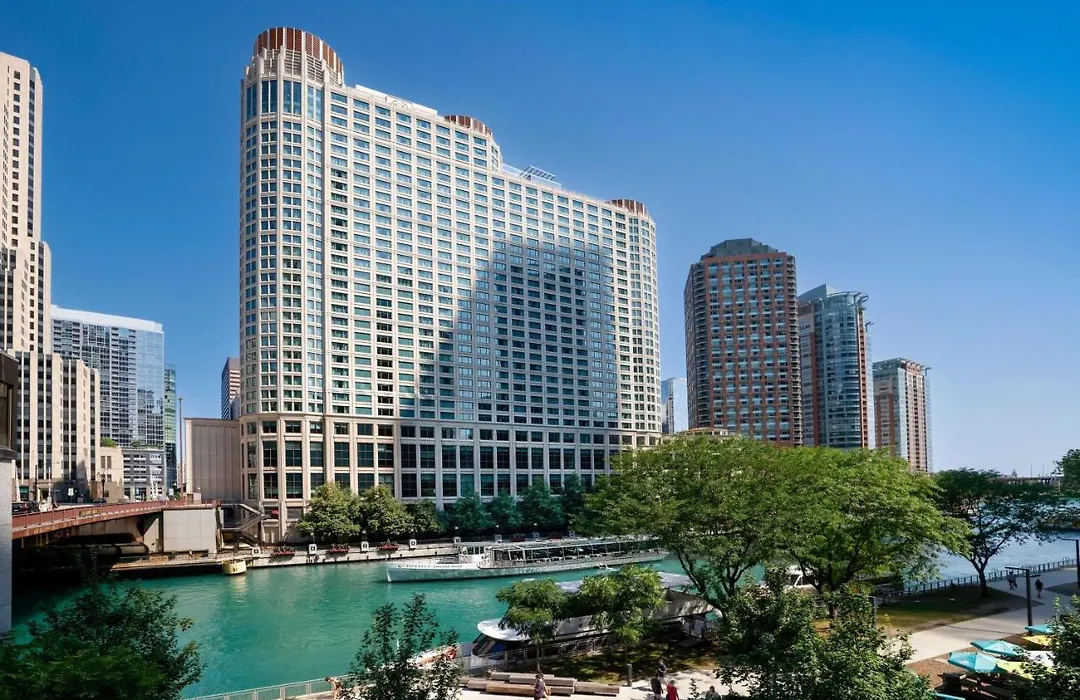
[Image: Sheraton Grand Chicago Riverwalk]
The post Chicago Is Under Seriously Concerning Conditions as Sheraton Grand and Similar Other Hotels Call for Strikes appeared first on Travel and Tour World














































































