
















Brazil Joins France, Australia and More Among 66 Visa-Free Travel Countries Boosting Russia Tourism
-
Travel, Entertainment, Culture, Religion
-
-
11 mins
-
Travel and Tour World
-
Binoy Mehera
-


Brazil joins France, Australia, and others as Russia promotes visa-free travel to 66 destinations as of October 2026, promoting international tourism and connectivity.
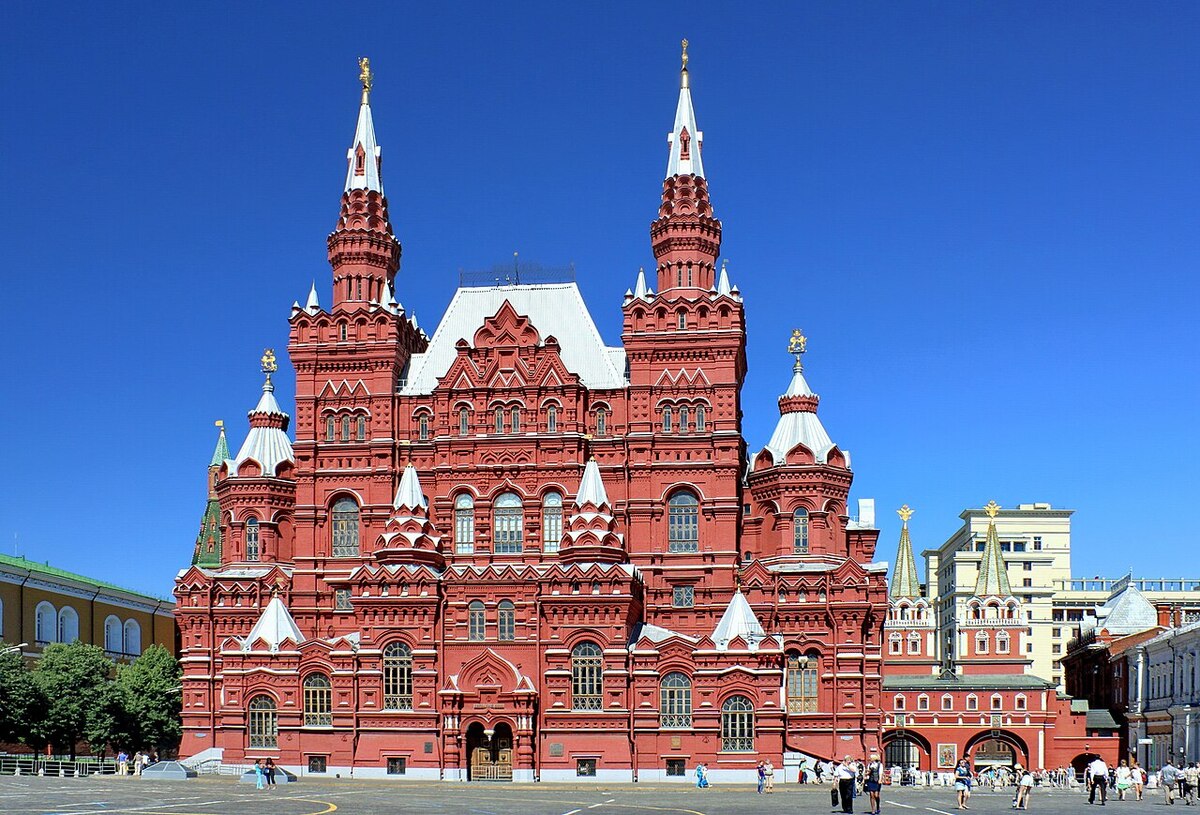
Brazil joins France, Australia, and others as Russia promotes visa-free travel to 66 destinations as of October 2026, promoting international tourism and connectivity. Russia, the largest country in the world in terms of land area, is located in eastern Europe and northern Asia. Known for its diverse scenery and historical sights, Russia was once part of the Soviet Union but gained independence in December 1991. With 11 time zones, Russia is a vast country with great forests, snowy peaks, and northern reaches of the globe. The country is home to the Volga River, as well as Lake Ladoga and Lake Baikal, the deepest lake in the world.
Russia Records Strong Tourism Growth
Russia’s tourism sector recorded strong growth in the first half of 2026, welcoming 2.5 million foreign tourists, a 20% increase compared with 2025. International arrivals are projected to reach 6.5 million by the end of 2026, up from 5.8 million in 2025. China remains the leading source market, accounting for more than 22% of visitors, followed by important markets such as Turkmenistan, Turkey, Germany and India. Meanwhile, Russia’s Far East and Arctic regions recorded 91% growth in foreign arrivals during the first four months of 2026. Expanded e-visa facilities, visa-free travel arrangements and improved air connectivity continue to support tourism growth.
Russia’s Tourism Sector Strengthens Economic Growth
Russia’s travel and tourism industry contributes approximately 2.9% to 3.5% of the country’s GDP, generating an estimated 7.5 trillion Russian rubles in economic activity. The government aims to increase the sector’s contribution to at least 5% of GDP by 2030, highlighting tourism’s growing economic importance. International visitor arrivals rose by 20% in the first half of 2026, reaching 2.5 million tourists, supported by demand from China, the Middle East and India. Meanwhile, public and private investment exceeding 1 trillion rubles has supported tourism infrastructure development, accommodation facilities and domestic travel services, strengthening Russia’s long-term tourism ambitions.
Russia Unlocks Easier Travel with Visa-Free Access to 66 Destinations:
| No. | Country / Territory | No. | Country / Territory |
|---|---|---|---|
| 1 | Argentina | 34 | Nicaragua |
| 2 | Brazil | 35 | Belarus |
| 3 | Uruguay | 36 | South Korea |
| 4 | Palau Islands | 37 | Andorra |
| 5 | Peru | 38 | Chile |
| 6 | Mauritius | 39 | Brunei |
| 7 | Seychelles | 40 | Israel |
| 8 | Serbia | 41 | Qatar |
| 9 | Grenada | 42 | United Arab Emirates |
| 10 | Montenegro | 43 | Fiji |
| 11 | Antigua and Barbuda | 44 | China |
| 12 | Hong Kong | 45 | Moldova |
| 13 | Bosnia and Herzegovina | 46 | Armenia |
| 14 | Dominica | 47 | Azerbaijan |
| 15 | Georgia | 48 | Uzbekistan |
| 16 | Macao | 49 | Belize |
| 17 | Panama | 50 | Dominican Republic |
| 18 | Paraguay | 51 | Guyana |
| 19 | Costa Rica | 52 | Jamaica |
| 20 | Guatemala | 53 | South Africa |
| 21 | St. Vincent and the Grenadines | 54 | Mongolia |
| 22 | St. Kitts and Nevis | 55 | Bolivia |
| 23 | El Salvador | 56 | Botswana |
| 24 | Maldives | 57 | Nauru |
| 25 | Honduras | 58 | Kyrgyzstan |
| 26 | Colombia | 59 | Namibia |
| 27 | Oman | 60 | Laos |
| 28 | Saudi Arabia | 61 | Jordan |
| 29 | Suriname | 62 | Vanuatu |
| 30 | Kazakhstan | 63 | Myanmar |
| 31 | Samoa | 64 | Cape Verde Islands |
| 32 | Ecuador | 65 | Tajikistan |
| 33 | Venezuela | 66 | Cuba |
TTW Founder and Editor-in-Chief, Mr. Anup Kumar Keshan, Comments:
“Russia’s visa-free travel connections with 66 destinations as of October 2026, including Brazil, Argentina, the UAE and other countries, highlight the growing importance of international mobility and tourism connectivity. Easier travel creates new opportunities for Russian travellers while strengthening cultural and economic ties worldwide. Meanwhile, Russia’s historic cities, rich heritage, breathtaking landscapes and extensive aviation network continue to support its tourism industry. Stronger global connections can benefit airlines, hotels, tourism operators and local communities, creating opportunities for visitor growth, tourism spending and long-term economic development.”
Russia’s Five Major Airports Strengthening Tourism and International Connectivity
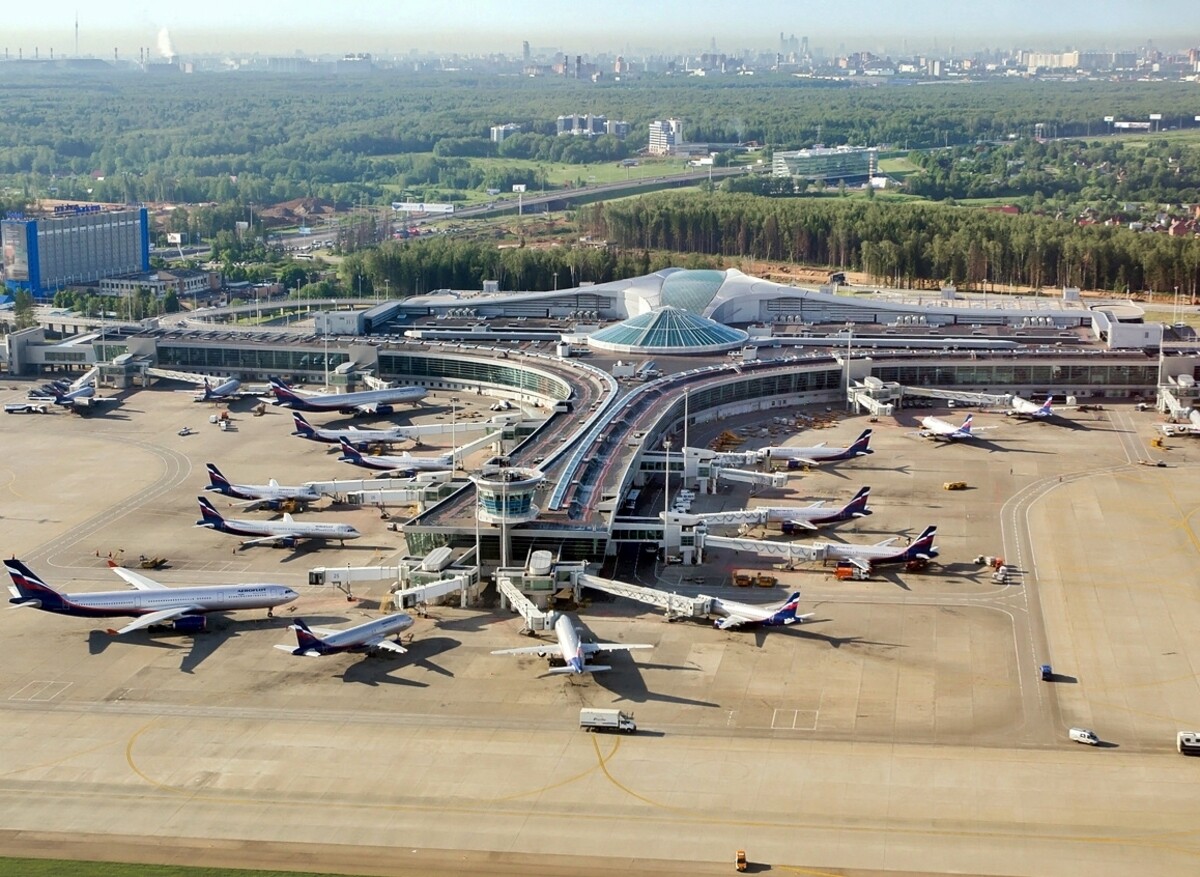
Image Source: Sheremetyevo International Airport
1. Sheremetyevo International Airport – Moscow (SVO)
Sheremetyevo International Airport is one of Russia’s busiest aviation hubs and a major base for Aeroflot, the country’s national airline. Located near Moscow, the airport provides domestic and international connections, including services linking Russia with destinations across Asia and the Middle East. It serves as an important gateway for international tourists visiting Red Square, the Kremlin, St Basil’s Cathedral and other famous attractions in the Russian capital.
2. Domodedovo International Airport – Moscow (DME)
Domodedovo International Airport is another major aviation gateway serving Moscow and its surrounding regions. The airport handles domestic and international passenger flights, supporting business travel, leisure tourism and regional connectivity. Travellers arriving through Domodedovo can explore Moscow’s historic architecture, museums, shopping districts and cultural attractions. Its connections with other Russian cities also make it an important departure point for visitors exploring different parts of the country.
3. Vnukovo International Airport – Moscow (VKO)
Vnukovo International Airport is one of Moscow’s principal airports, located southwest of the city centre. It supports scheduled domestic and international flights, providing travel options for tourists, business passengers and visitors travelling between Russian regions. The airport offers access to Moscow’s major attractions, including its historic squares, cultural institutions and entertainment districts. Its position within the capital’s aviation network helps distribute passenger traffic across the city’s airports.
4. Pulkovo International Airport – Saint Petersburg (LED)
Pulkovo International Airport is the main aviation gateway to Saint Petersburg, one of Russia’s most popular cultural and historical destinations. The airport connects the city with domestic and international destinations, supporting tourism and business travel. Visitors arriving at Pulkovo can discover the world-famous Hermitage Museum, Winter Palace, Peterhof Palace and the city’s beautiful canals. The airport plays an important role in attracting travellers interested in Russian history, architecture, museums and cultural heritage.
5. Sochi International Airport – Sochi (AER)
Sochi International Airport serves one of Russia’s leading coastal and mountain tourism destinations. Located near the Black Sea, the airport provides access to Sochi’s seaside resorts, Krasnaya Polyana and the Caucasus Mountains. It supports year-round tourism, with visitors travelling for summer coastal holidays, winter sports and outdoor activities. Its domestic and international air connections help strengthen tourism across southern Russia and improve access to the region’s natural attractions.
Five Major Russian Airlines Supporting Tourism and Air Connectivity
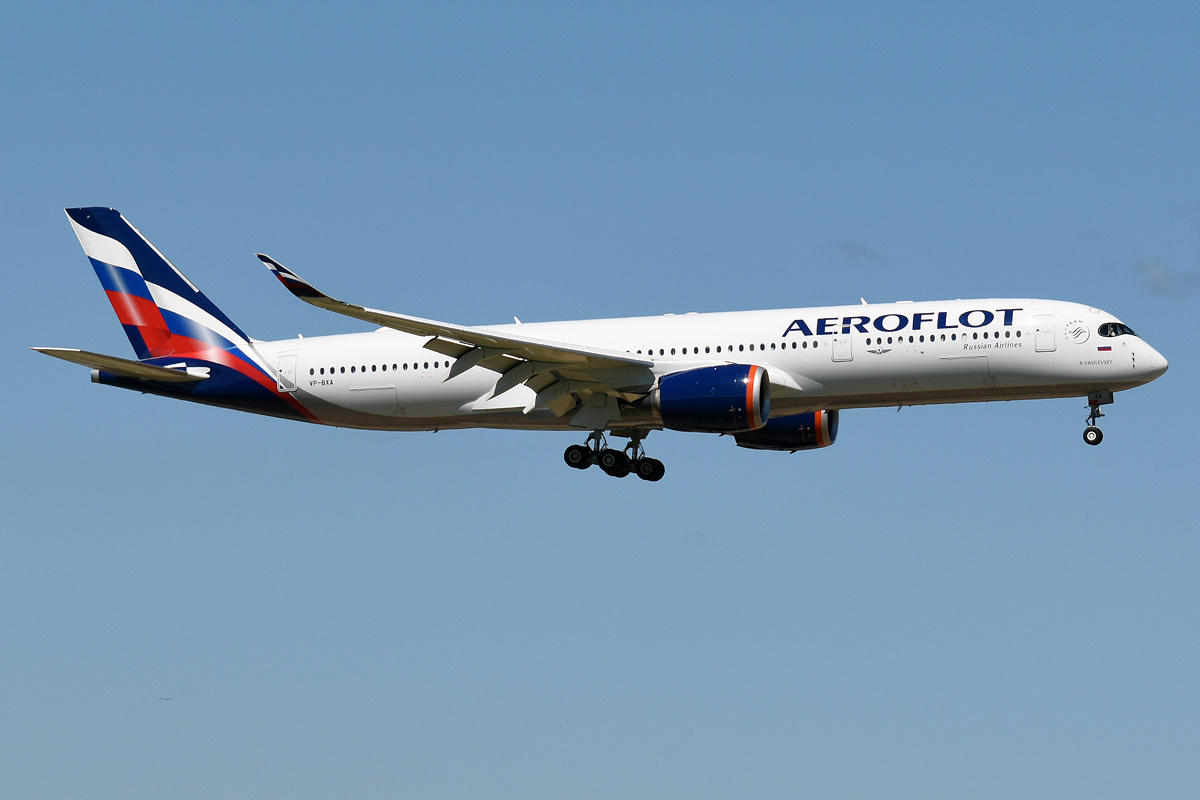
Image Source: Aeroflot
1. Aeroflot – Russia’s Flag Carrier
Aeroflot is Russia’s national airline and one of the country’s largest aviation operators. Based in Moscow, the airline operates domestic and international flights, connecting major Russian cities with destinations across Asia, the Middle East and other regions. Its main hub is Sheremetyevo International Airport, which supports passenger connections across its network. Aeroflot plays a significant role in supporting international tourism, business travel and domestic air connectivity.
2. S7 Airlines – Connecting Russia’s Major Regions
S7 Airlines, also known as Siberia Airlines, is one of Russia’s leading private airlines. With important operating hubs at Moscow Domodedovo Airport and Novosibirsk Tolmachevo Airport, the carrier connects numerous Russian cities and selected international destinations. It provides access to Siberia, the Russian Far East and other regional tourism markets, supporting both leisure and business travellers.
3. Pobeda Airlines – Expanding Budget Travel Opportunities
Pobeda Airlines is a Russian low-cost carrier and part of the Aeroflot Group. The airline focuses on affordable passenger services, operating domestic routes and selected international flights. Its low-cost business model provides travellers with additional options for visiting Russian cities and regional destinations. Pobeda supports domestic tourism by making air travel more accessible to price-conscious passengers.
4. Ural Airlines – Strengthening Regional and International Links
Ural Airlines, headquartered in Yekaterinburg, is an important Russian carrier offering domestic and international passenger services. The airline connects cities across Russia with destinations in neighbouring countries and selected overseas markets. Its operations support tourism, business travel and regional mobility, particularly across the Urals and other parts of the country.
5. Rossiya Airlines – Supporting Domestic Tourism Growth
Rossiya Airlines, a member of the Aeroflot Group, operates an extensive network of domestic and selected international flights. The airline has significant operations in Saint Petersburg and Moscow, connecting travellers with major Russian destinations. Its services help support tourism in cultural cities, coastal regions and other popular holiday locations.
Five Leading Hotels in Russia Offering Luxury, Comfort and Memorable Stays
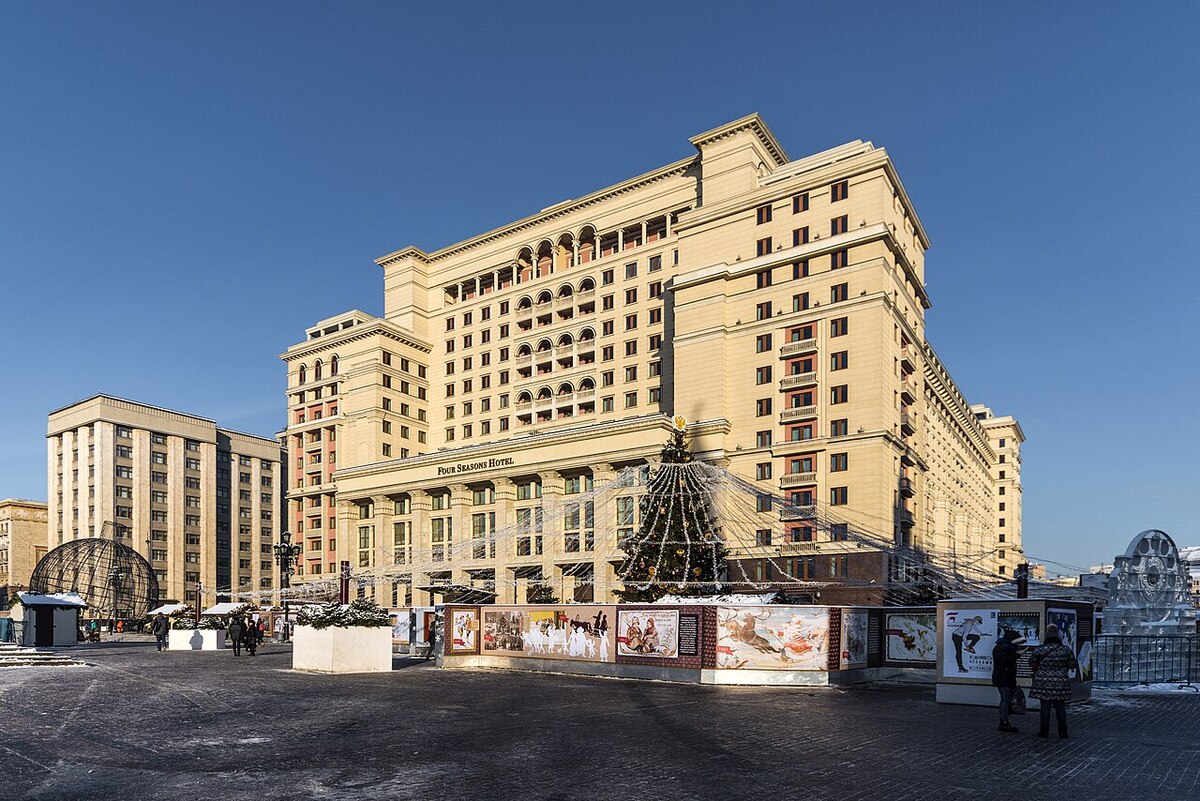
Image Source: Four Seasons Hotel Moscow
1. Four Seasons Hotel Moscow – Luxury in the Heart of the Capital
Located near Red Square and the Kremlin, the former Four Seasons Hotel Moscow occupies a prominent position in the Russian capital. The property is known for its grand architecture, luxurious accommodation and proximity to Moscow’s major landmarks. Its central location makes it attractive to visitors interested in history, culture and sightseeing. Travellers should verify the hotel’s current operating name and booking arrangements, as the Four Seasons brand withdrew from managing its Russian properties.
2. Hotel Astoria – Historic Elegance in Saint Petersburg
Hotel Astoria is one of Saint Petersburg’s most recognised luxury hotels, located near St Isaac’s Cathedral. The historic property offers elegant accommodation and convenient access to the city’s famous attractions, including the Hermitage Museum and Palace Square. Its architectural heritage and central location make it a popular choice for travellers seeking cultural experiences and a luxurious stay in Russia’s historic imperial city.
3. The Carlton, Moscow – Premium Hospitality Near Red Square
The Carlton, Moscow, formerly known as The Ritz-Carlton Moscow, is a luxury hotel situated on Tverskaya Street, close to Red Square. The property offers refined accommodation, premium guest facilities and impressive views of central Moscow from selected areas. Its location provides convenient access to major historical landmarks, shopping districts and cultural attractions, making it suitable for both business and leisure travellers.
4. Grand Hotel Europe – A Landmark of Saint Petersburg Hospitality
Grand Hotel Europe is a historic luxury property located near Nevsky Prospekt, one of Saint Petersburg’s most famous streets. Known for its classical architecture and elegant interiors, the hotel offers accommodation close to cultural attractions such as the Russian Museum and the Church of the Saviour on Spilled Blood. Its historic character makes it an appealing option for visitors exploring the city’s artistic and architectural heritage.
5. Radisson Collection Hotel, Moscow – Iconic Riverside Accommodation
Radisson Collection Hotel, Moscow, also known as Hotel Ukraina, occupies one of Moscow’s famous Stalin-era skyscrapers overlooking the Moskva River. The hotel is recognised for its monumental architecture, spacious accommodation and views of the capital. Its location provides access to major business districts, historic landmarks and riverside attractions, making it a notable choice for travellers interested in both modern hospitality and Russian architectural history.
Russia City Guide:
Russia, the world’s largest country, offers an extraordinary blend of historic cities, breathtaking natural landscapes, rich cultural heritage and unforgettable travel experiences. From the magnificent architecture of Moscow and the grand palaces of Saint Petersburg to the peaceful countryside, vast forests and scenic mountains, the country has something for every traveller. Visitors can explore world-famous museums, discover centuries-old traditions, enjoy legendary journeys aboard the Trans-Siberian Railway and experience lively cultural festivals and entertainment. With its remarkable diversity, iconic landmarks and fascinating history, Russia remains a distinctive destination for travellers seeking adventure, culture and memorable holidays.
Five Iconic Tourist Attractions in Russia Showcasing History, Culture and Architectural Beauty
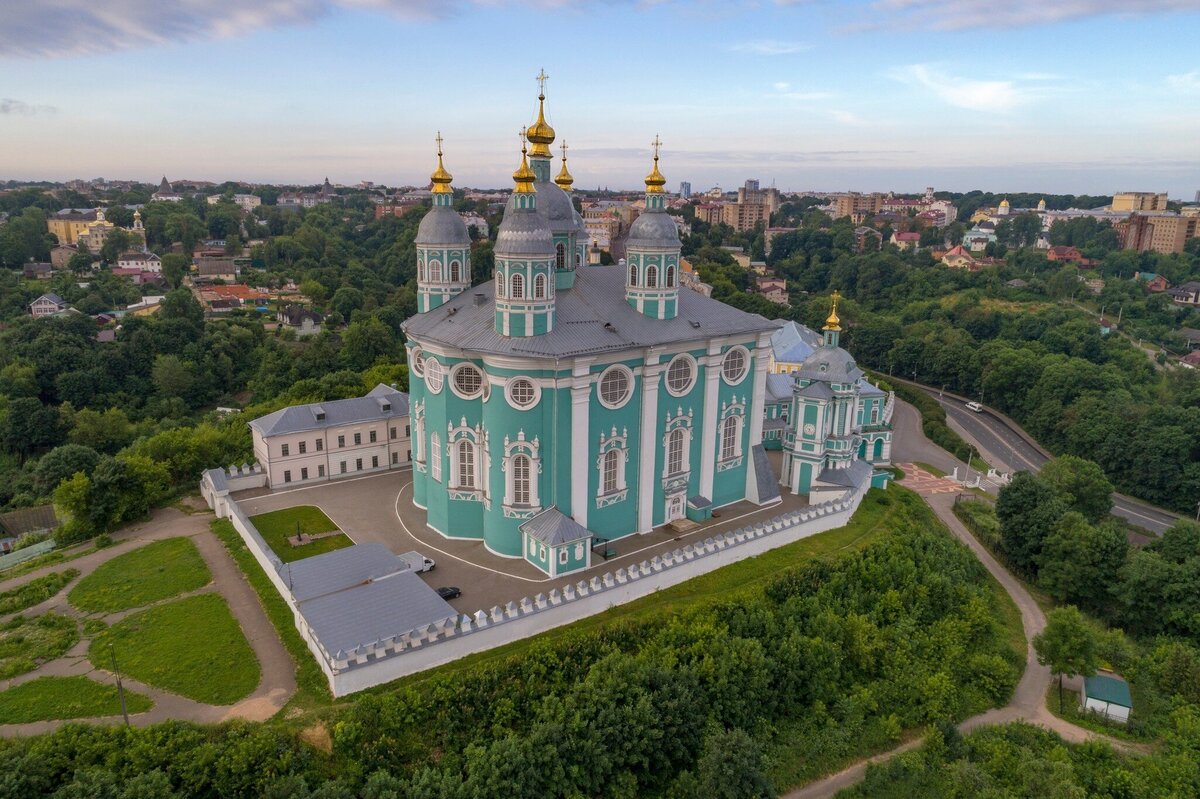
Image Source: Assumption Cathedral
1. Assumption Cathedral – A Magnificent Symbol of Russian Religious Heritage
Located within the Moscow Kremlin, the Assumption Cathedral is one of Russia’s most historically significant religious landmarks. Recognised for its five golden domes and impressive architecture, the cathedral played a central role in Russian religious and royal ceremonies for centuries. Its spacious interior features colourful frescoes, religious paintings and ancient icons that reflect the country’s Orthodox Christian traditions. Visitors can admire the 17th-century iconostasis, historic religious artworks and the tombs of important Russian church leaders. The cathedral also houses the beautifully carved Throne of Monomakh, created in 1551 for Ivan the Terrible. Its remarkable artistic treasures and royal connections make it an essential destination for travellers interested in Russian history, architecture and cultural heritage.
2. Alexander Nevsky Monastery – A Historic Spiritual Landmark in Saint Petersburg
The Alexander Nevsky Monastery is one of Saint Petersburg’s oldest and most respected religious institutions. Established under Peter the Great, the monastery was named after Alexander Nevsky, the city’s patron saint and an important figure in Russian history. In 1797, it received the prestigious status of a lavra, recognising its importance within the Russian Orthodox Church. Today, the monastery remains an active religious centre, attracting worshippers and visitors interested in Russia’s spiritual traditions. Its peaceful grounds feature historic churches, elegant architecture and famous cemeteries containing the graves of prominent Russian artists, writers and composers. Travellers can explore much of the monastery complex, although entry tickets are required for certain historic burial grounds.
3. Anna Akhmatova Museum – Discover Russia’s Extraordinary Literary Legacy
Situated in the historic Sheremetyev Palace complex in Saint Petersburg, the Anna Akhmatova Museum celebrates the life and literary achievements of one of Russia’s most influential 20th-century poets. The museum occupies part of the former apartment where Akhmatova lived between 1926 and 1952. Visitors can explore rooms displaying personal belongings, historical documents, photographs and correspondence that reveal her experiences during a challenging period of Russian history. The museum also offers insights into the lives of other literary figures, including Nobel Prize-winning poet Joseph Brodsky, through a reconstructed study featuring personal objects and furniture. With its intimate atmosphere and historical exhibits, the museum provides a meaningful cultural experience for travellers interested in literature, poetry and Russian intellectual history.
4. Bronze Horseman – Saint Petersburg’s Legendary Monument to Peter the Great
The Bronze Horseman, located in Saint Petersburg’s Senate Square, is one of Russia’s most recognisable historical monuments. The impressive equestrian statue honours Peter the Great, the founder of Saint Petersburg, and was commissioned by Catherine the Great. Created by French sculptor Étienne Maurice Falconet, the monument was unveiled in 1782 and depicts Peter riding a powerful horse above a serpent, symbolising the defeat of opposition and the strength of the Russian state. The statue later gained international literary recognition through Alexander Pushkin’s famous poem The Bronze Horseman. Today, the monument remains a popular sightseeing attraction and photography location, particularly for visitors exploring Saint Petersburg’s historic centre and nearby architectural landmarks.
5. Cathedral of St Sophia – One of Russia’s Oldest Architectural Treasures
The Cathedral of St Sophia, located within the historic Novgorod Kremlin in Veliky Novgorod, is one of Russia’s oldest surviving stone churches. Constructed between 1045 and 1050, the cathedral represents an important chapter in the development of early Russian architecture and Orthodox Christianity. Its striking domes, ancient stone walls and religious artworks reflect nearly a thousand years of cultural history. Among its most treasured possessions is the famous Our Lady of the Sign icon, traditionally associated with the city’s protection during a medieval conflict in 1170. The cathedral is also known for its historic bronze doors, religious paintings and architectural details. Its exceptional heritage makes it a major attraction for visitors interested in medieval Russia and the country’s early religious traditions.
The post Brazil Joins France, Australia and More Among 66 Visa-Free Travel Countries Boosting Russia Tourism appeared first on Travel and Tour World




































































