










India’s 1962 War-Hit Himalayan Villages Rise Again as Uttarakhand Turns Ghost Settlements Into Tourism Destinations
-
Travel, Food, Immigration, Culture
-
-
6 mins
-
Travel and Tour World
-
Samadrita Mukherjee
-

Uttarakhand’s Jadung and Nelang villages prepare for tourism revival with homestays, heritage experiences and Himalayan border travel.
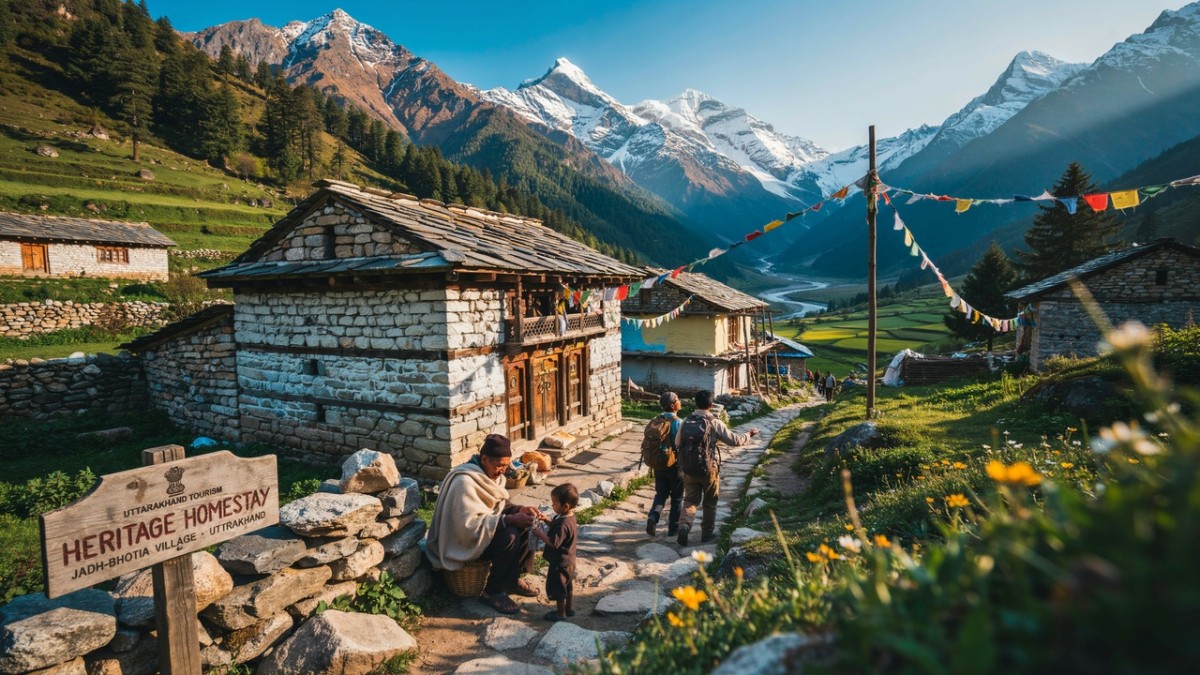
One of the most neglected parts of the Indian Himalayas, which was evacuated following the India-China war of 1962, is ready for an unprecedented tourism boost, which may help put the isolated village lands in the border regions of Uttarakhand on the world tourist map. The Jadung and Nelang villages in the Uttarkashi district are undergoing transformation from being ghost settlements to becoming a unique tourism destination based on heritage and eco-tours for the international tourists who will be able to explore the scenic beauty and border culture in the Himalayan landscapes.
The villages have been silent for almost six decades, reminding with their deserted houses and pathways of what once was there. Today, it seems the government is trying to revive the land through tourism development and create a number of traditional homestays as well as job opportunities for the locals.
Tourism is the central aspect of the initiative, which seeks to preserve the unique cultural identity of the Jadh-Bhotia people, restore the traditional architecture and provide sustainable jobs through tourism.
For the tourists seeking for the experience of something new, away from the mainstream, Jadung and Nelang are to become a part of the unique Himalayan experience.
Why This Matters for Travellers
The global tourism industry is increasingly moving towards meaningful travel experiences. Visitors are no longer looking only for famous landmarks; many are seeking remote villages, indigenous cultures, untouched landscapes and stories connected with history.
The revival of Uttarakhand’s ghost villages connects directly with this growing trend.
Unlike conventional Himalayan tourism destinations, Jadung and Nelang offer a rare combination of:
- High-altitude landscapes.
- Border heritage.
- Traditional mountain architecture.
- Local cultural experiences.
- Stories of migration and survival.
Why Global Travellers May Find Jadung and Nelang Unique
- They represent a Himalayan destination shaped by history.
- Visitors can experience life near India’s international border region.
- Traditional homes are being restored rather than replaced.
- Tourism development is linked with community participation.
- The villages offer an alternative to crowded mountain destinations.
The project reflects a wider global movement where abandoned settlements are being revived through heritage tourism, similar to village regeneration initiatives seen in parts of Europe and other mountain regions.
What Happened to Jadung and Nelang Villages?
Jadung and Nelang were once inhabited by the Jadh-Bhotia community, whose lives were closely connected with Himalayan trade routes, agriculture and livestock activities.
Before the 1962 India-China war, these villages played an important role in regional trade and cultural exchange with Tibet.
The conflict changed everything.
Due to security concerns after the war, residents were relocated from the border villages. Many families later settled in places such as Bagori and Dunda, leaving behind their ancestral homes, agricultural land and traditional way of life.
History of the Himalayan Border Villages
| Period | Development |
|---|---|
| Before 1962 | Jadh-Bhotia communities lived through farming, livestock and border trade |
| 1962 | India-China war changed border security conditions |
| After 1962 | Residents were relocated from Jadung and Nelang |
| Recent years | Government began exploring revival and tourism opportunities |
| Present phase | Heritage homes and tourism infrastructure are being developed |
The villages remained largely empty for decades, creating what many describe as “ghost villages”.
How Tourism Is Bringing the Villages Back to Life
The revival strategy focuses on tourism as a tool for conservation and local economic development.
Instead of creating large-scale commercial tourism infrastructure, the plan emphasises small-scale accommodation through traditional homestays.
The aim is to allow visitors to experience the original character of Himalayan village life.
Key Elements of the Tourism Revival Plan
- Restoration of old village houses.
- Development of traditional homestays.
- Preservation of local architectural styles.
- Training for hospitality and tourism services.
- Creation of local employment opportunities.
The first phase includes developing six homestays across the two valleys.
A second phase is planned with additional accommodation capacity.
Traditional Homestays Could Create a New Himalayan Travel Experience
For international travellers, homestays are often one of the best ways to understand local culture.
Unlike standard hotels, village homestays allow visitors to experience:
- Local food traditions.
- Mountain lifestyles.
- Indigenous stories.
- Traditional construction methods.
- Community interactions.
What Visitors Could Experience in Jadung and Nelang
| Experience | Travel Value |
|---|---|
| Traditional homes | Cultural immersion |
| Himalayan landscapes | Nature tourism |
| Local community interaction | Authentic experiences |
| Border village history | Heritage tourism |
| High-altitude environment | Adventure travel |
This approach aligns with global demand for slow travel and community-based tourism.
Why Border Tourism Is Growing Globally
Across the world, border regions that were previously inaccessible are becoming attractive destinations.
Travellers are increasingly interested in places that combine geography, history and culture.
Examples include mountain border regions in Europe, Central Asia and the Himalayas where tourism provides new economic opportunities.
Uttarakhand’s border villages could become part of this international trend.
The Global Appeal of Border Destinations
- Unique historical narratives.
- Rare landscapes.
- Cultural diversity.
- Less crowded travel experiences.
- Adventure opportunities.
For international visitors, the appeal is not only the scenery but the story behind the destination.
The Natural Beauty That Could Attract Global Visitors
Although the villages remained abandoned for decades, their natural surroundings remain extraordinary.
Located in the high Himalayas, Jadung and Nelang offer dramatic landscapes shaped by mountains, valleys and rivers.
Natural Attractions Around the Region
- Himalayan mountain scenery.
- High-altitude valleys.
- Remote landscapes.
- Unique flora and fauna.
- Traditional Himalayan settlements.
For adventure and nature travellers, the region offers an experience far removed from conventional tourism routes.
Government Investment in Heritage Tourism Development
The revival plan includes restoring damaged homes while maintaining traditional design elements.
Authorities are focusing on preserving the original identity of the villages rather than replacing them with modern structures.
Development Approach
| Area | Planned Focus |
|---|---|
| Housing | Traditional home restoration |
| Tourism | Homestay development |
| Community | Local livelihood opportunities |
| Heritage | Preservation of architecture |
| Environment | Sustainable tourism management |
The initial project phase involved an estimated investment of around ₹3.65 crore, with further development planned in later stages.
Why Preserving Local Culture Matters
Tourism can bring economic benefits, but uncontrolled development can also change the character of destinations.
The Jadung and Nelang revival model focuses on keeping local identity at the centre.
Traditional architecture, cultural practices and community involvement are important parts of the project.
Cultural Benefits of the Revival
- Protects disappearing Himalayan traditions.
- Creates income opportunities for residents.
- Encourages younger generations to reconnect with heritage.
- Preserves historic mountain settlements.
This makes the project different from ordinary tourism expansion.
Challenges Ahead for Himalayan Tourism Revival
Reviving an abandoned mountain village is not simple.
Tourism alone cannot guarantee long-term settlement unless basic services and infrastructure improve.
Key Challenges
- Healthcare access.
- Connectivity.
- Education facilities.
- Weather conditions.
- Sustainable visitor management.
- Maintaining environmental balance.
The success of the project will depend on balancing tourism growth with ecological protection.
What Travellers Should Know Before Visiting Jadung and Nelang
Because these villages are located in a sensitive Himalayan border region, travellers should prepare carefully.
Before Planning a Visit
- Check official travel permissions and access requirements.
- Prepare for high-altitude conditions.
- Respect local customs.
- Follow environmental guidelines.
- Carry essential supplies.
- Travel with responsible operators.
Visitors should remember that the attraction of these villages lies in their remote and preserved character.
Frequently Asked Questions
Where are Jadung and Nelang villages located?
They are located in Uttarkashi district of Uttarakhand near India’s international border region.
Why are these villages called ghost villages?
They became largely empty after residents were relocated following the 1962 India-China war.
How will tourism revive these villages?
Authorities are developing traditional homestays and heritage tourism experiences.
Can international tourists visit Jadung and Nelang?
Access depends on official regulations and permissions because the villages are located in a sensitive border area.
Why are these villages important for tourism?
They offer a rare combination of Himalayan landscapes, history, culture and authentic village experiences.
Closing Update
The plans for rejuvenation of Jadung and Nelang in Uttarakhand mark a new beginning for tourism in the Himalayas, turning forgotten villages into sites that are defined by heritage, nature, and community.
For international travelers looking for unique mountain experiences, these villages may well become one of the most unique destinations in India.
This is more than just about tourists coming to a deserted landscape. This is about rediscovering history and Himalayan culture.
The post India’s 1962 War-Hit Himalayan Villages Rise Again as Uttarakhand Turns Ghost Settlements Into Tourism Destinations appeared first on Travel and Tour World