










Zanzibar Expands Airport Capacity as International Tourism and Direct Air Links Grow
-
Travel
-
-
3 mins
-
Travel and Tour World
-
Abhirup Gan
-


Abeid Amani Karume Airport boosts capacity as Zanzibar tourism grows. Learn how upgraded widebody charter links and terminal facilities ease island travel.
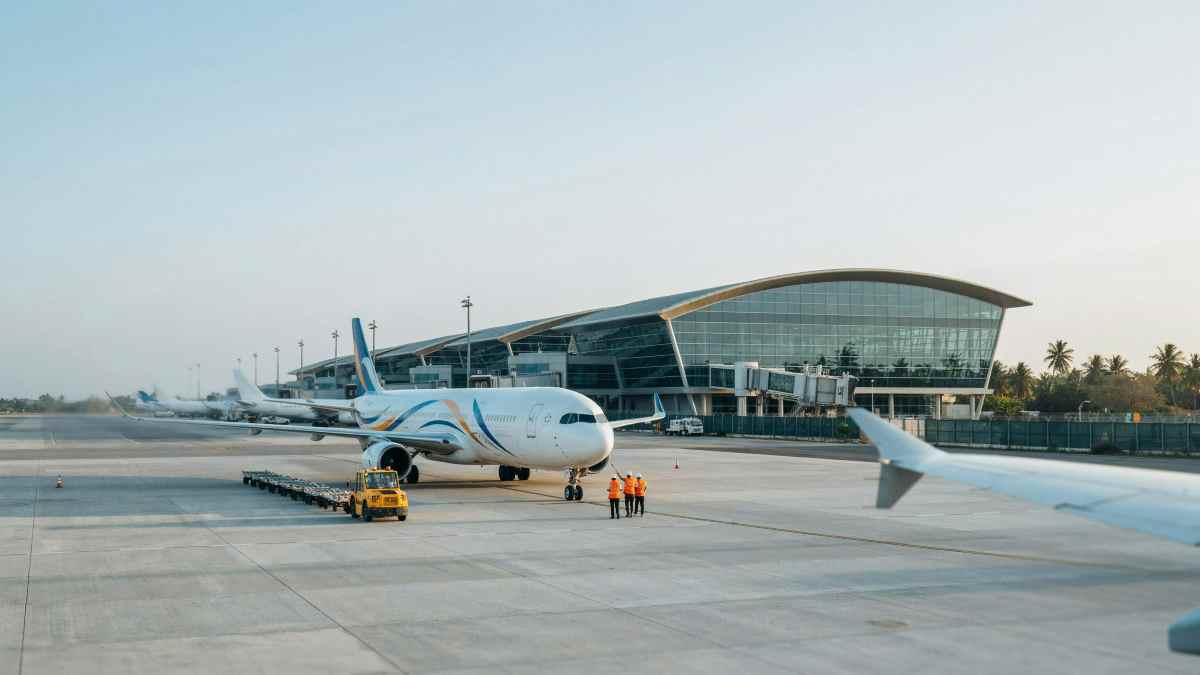
The autumn travel season in Zanzibar comes at a time when improvements at the country’s airports have put Abeid Amani Karume International Airport (ZNZ) at the core of its tourism development plans. Tourists flying into Zanzibar for a vacation, whether for a beach, safari or cultural trip, are likely to find that the airport has become a significant destination even before setting eyes on the Indian Ocean. Recent developments at the airport include construction of a new Terminal 2 for passengers, construction of a new apron and a bridge connecting Terminal 2 with Terminal 3. In its August update, the Zanzibar Airports Authority confirmed that Terminal 2 had been 90% completed with capacity to serve 1.4 million passengers per year. The overall plan at the airport is geared towards increasing passenger and aircraft traffic. While the new apron had 25% of construction completed in August, with completion projected by August 2028, the Terminal 2-Terminal 3 bridge had 55% construction complete, with completion by December 2026.
Terminal Development Changes the Airport Experience
For travellers, airport infrastructure can shape the first and final stages of a Zanzibar holiday. The development programme is designed to increase passenger-handling and aircraft-ground capacity while improving the movement of travellers and aircraft through the airport.
Terminal 3 already has a commercial centre, while Terminal 1 has been refurbished for heads of state, VIP passengers and private aviation. The latest projects add further capacity around the international gateway as visitor numbers and flight activity continue to develop.
The airport sits on Unguja, around 5 kilometres south of Zanzibar City, making it the main aviation gateway for visitors heading towards Stone Town, the northern beaches and the island’s eastern coastline. Zanzibar Airports Authority identifies the airport as a hub with connections across East Africa, Europe and the Middle East.
Direct International Links Continue to Build
Zanzibar’s international connectivity is also expanding beyond traditional regional links. The Zanzibar Airports Authority recorded the launch of Airlink’s direct Johannesburg-Zanzibar service in June 2026, adding another connection between the island and southern Africa.
The airport’s current arrival schedule also shows direct services from several major international gateways. Flights listed for 16 September include Istanbul, Frankfurt, Rome, Dubai, Doha, Nairobi and Addis Ababa, giving international travellers multiple entry points without requiring a separate connection through Dar es Salaam.
That connectivity is particularly relevant for leisure travellers. Direct international services can allow visitors to build Zanzibar into longer holidays without returning through mainland Tanzania for every stage of the journey.
European and Gulf Connectivity Supports Beach Tourism
The airport’s European and Gulf connections place Zanzibar within reach of major long-haul and regional aviation markets. Current scheduled arrivals include services from Istanbul, Frankfurt, Milan, Verona, Dubai and Doha, alongside African gateways such as Nairobi and Addis Ababa.
For a traveller booking a September or autumn escape, the practical benefit is a broader choice of arrival points. Zanzibar can be reached as a standalone island holiday or incorporated into a wider East African itinerary combining beaches, wildlife and city stays.
The airport has also continued to receive charter operations. In January 2026, Bulgarian carrier Bul Air began services to Zanzibar, with an Airbus A320 arriving from Sofia carrying 180 passengers. Zanzibar Airports Authority said the service was expected to operate three times a month.
What Travellers Should Expect
The infrastructure programme does not mean every new project is already operational. Terminal 2, the new apron and the terminal link remain part of an ongoing development programme, so travellers should continue checking their airline or tour operator for the latest terminal and airport information.
International visitors should also complete Tanzania’s applicable immigration requirements before arrival. The Tanzania Immigration Department states that foreign travellers may need to present a visa or obtain one on arrival, alongside a passport and evidence of onward travel where required.
For holidaymakers heading directly to the coast, the arrival process is followed by transfers towards Stone Town, Nungwi, Kendwa, Paje and other resort areas. Zanzibar’s airport expansion therefore reaches beyond aviation itself, supporting the movement of visitors into the island’s accommodation, beach, dining and cultural tourism network.
Zanzibar’s Tourism Gateway Keeps Growing
In September 2026, Zanzibar is improving its offer on both ends: increased airport capacity and increased connectivity. The construction of Terminal 2, the new apron and the connection between the terminals is proceeding in tandem with the schedule of additional services from Africa, Europe and the Middle East. For visitors who arrive during the fall season, the attractiveness of Zanzibar starts right at the airport and swiftly moves to the beaches, historic stone town and resorts beyond. Zanzibar’s airport is undergoing expansion to allow for the next step in this process.
The post Zanzibar Expands Airport Capacity as International Tourism and Direct Air Links Grow appeared first on Travel and Tour World