










Oaxaca and Sierra Norte Gain 25 Million Peso Tourism Push for Community Trails and Mountain Adventures
-
Travel, Health, Food, Culture, Weather
-
-
8 mins
-
Travel and Tour World
-
Jishnoo Banerjee
-

Oaxaca invests 25 million pesos in Pueblos Mancomunados to strengthen community-owned hiking, biking and ecotourism in Sierra Norte.
Oaxaca is strengthening community-owned adventure tourism in the Sierra Norte with an initial 25 million peso federal investment aimed at improving infrastructure in Pueblos Mancomunados, one of Mexico’s best-established Indigenous community-tourism networks.
The investment places mountain tourism, trekking, cycling and locally managed visitor experiences at the centre of a wider effort to ensure that tourism revenue reaches the Zapotec communities that protect and manage the region.
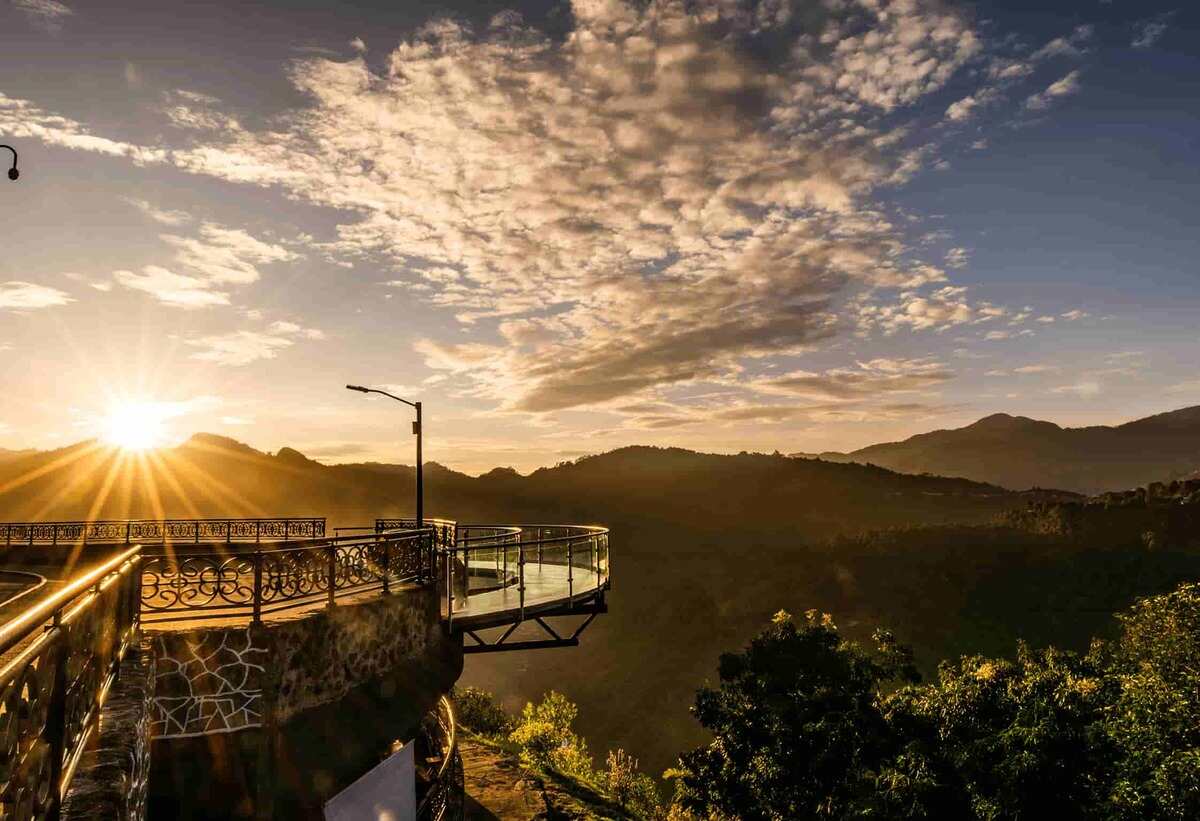
Pueblos Mancomunados brings together 8 communities in the Sierra Norte of Oaxaca. The territory already offers more than 100 kilometres of trails alongside cabins, community restaurants, viewpoints, suspension bridges, zip lines and agricultural experiences.
Unlike conventional resort development, the model places ownership and decision-making with the communities themselves. Federal authorities have confirmed that funding will be channelled directly through community authorities, while decisions about specific infrastructure projects remain under community control.
Oaxaca Secures 25 Million Pesos for Pueblos Mancomunados
FONATUR announced an initial investment of 25 million pesos in June 2026 to strengthen infrastructure across Pueblos Mancomunados.
The commitment follows a formal agreement between federal authorities and the Government of Oaxaca to consolidate the Sierra Norte communities as a priority Community Tourism Destination.
Earlier in January, Oaxaca’s Tourism Ministry had provided 1 million pesos in equipment to strengthen ecotourism centres in several participating communities.
| Pueblos Mancomunados Tourism Development | Confirmed Detail |
| Initial federal infrastructure investment | 25 million pesos |
| Earlier Oaxaca equipment investment | 1 million pesos |
| Communities in Pueblos Mancomunados | 8 |
| Trail network | More than 100 km |
| Community tourism history | Since 1994 |
| Main tourism focus | Nature, culture and adventure |
| Funding administration | Community authorities |
| Land ownership | Remains communal |
The investment is intended to strengthen an existing tourism system rather than create a new destination from scratch.
Eight Communities Form the Heart of the Tourism Model
Pueblos Mancomunados is formed by eight Zapotec communities with a long history of collective land management.
They are Santa María Yavesía, Santa Catarina Lachatao, San Miguel Amatlán, Santa Martha Latuvi, Benito Juárez, San Antonio Cuajimoloyas, San Isidro Llano Grande and La Nevería.
Together, they have protected their territory through community organisation for more than 400 years.
Tourism became part of that model in 1994, when communities began using their natural and cultural heritage to develop locally controlled visitor experiences.
That history makes Pueblos Mancomunados different from destinations where community tourism has been added recently as a marketing concept.
Here, collective management existed long before tourism became an important economic activity.
More Than 100 Kilometres of Trails Support Hiking Tourism
The trail network is one of the Sierra Norte’s most valuable tourism assets.
More than 100 kilometres of paths allow visitors to travel through forests, mountains and communities on foot.
Hiking can range from shorter forest walks to longer journeys linking several villages.
The experience is built around the landscape itself.
Travellers can move through mist-covered forests, mountain viewpoints and rural communities while staying in locally operated accommodation.
That creates a slow-travel model in which the journey between destinations becomes as important as the destination itself.
For communities, trekking also has an advantage over high-volume tourism infrastructure: it can generate visitor spending without requiring massive hotels or extensive urban development.
Mountain Biking Adds an Adventure Tourism Dimension
Cycling gives the Sierra Norte another important tourism product.
The mountainous terrain, forest roads and community routes provide conditions suited to mountain biking and adventure travel.
Official Oaxaca tourism promotion identifies cycling alongside hiking, rappelling, zip lining, climbing and cave exploration among the experiences available across the Sierra Juárez route.
Mountain biking can help the destination reach a different type of traveller.
Cyclists may stay for several days, hire guides, use community accommodation and spend on food, transport and other local services.
This creates opportunities to develop higher-value adventure tourism while keeping the experience rooted in the landscape.
What Pueblos Mancomunados Offers Travellers
The Sierra Norte tourism proposition extends well beyond hiking and cycling.
Visitors can combine physical activity with culture, food and environmental experiences.
Key experiences include:
- Forest trekking
- Mountain biking
- Community cabins
- Traditional Zapotec food
- Suspension bridges
- Zip lines
- Rappelling
- Rock climbing
- Cave exploration
- Mountain viewpoints
- Agricultural tourism
- Traditional Indigenous medicine
- Local cultural experiences
This variety allows travellers to build multi-day itineraries rather than making short visits.
Longer stays can increase the amount of tourism revenue retained within communities.
Communities Will Decide How Investment Is Used
One of the most important features of the programme is control over investment.
Federal authorities have said resources for the Sierra Juárez will be delivered directly to community authorities through cooperation with the National Institute of Indigenous Peoples.
The communities themselves will determine where investment is needed.
That approach matters because tourism development can create tension when infrastructure is imposed without local agreement.
The 2026 agreements explicitly state that communal property is not transferred or affected.
Control over territory, cultural heritage and natural resources remains with the community assemblies.
Specific projects requiring additional tourism infrastructure will be determined through later stages and according to community decisions.
Tourism Becomes an Addition to Forest Management Rather Than a Replacement
Pueblos Mancomunados has also gained recognition for its community forest management.
Tourism is designed as an additional source of income rather than a replacement for existing community livelihoods.
That distinction is important for sustainability.
When residents receive economic value from forests through several activities, there can be stronger incentives to manage those landscapes over the long term.
Visitors benefit because the forest remains central to the experience.
The tourism model therefore connects conservation with economic development.
A healthy mountain environment is not separate from the tourism product. It is the tourism product.
Oaxaca Strengthens Training Alongside Physical Infrastructure
Infrastructure alone will not determine whether the programme succeeds.
Mexico and Oaxaca are also investing in professionalisation.
In June, authorities announced a partnership that dramatically reduced the cost of certification for tourism guides.
Certification that could previously cost up to 60,000 pesos was reduced to around 2,000 pesos through institutional cooperation.
That can make formal training more accessible to community guides.
Better training can improve:
- Visitor safety
- Environmental interpretation
- Cultural storytelling
- Guiding standards
- Adventure tourism management
- Customer service
- Professional recognition
For international travellers, these improvements can make community tourism easier to understand and book with confidence.
International Recognition Raises the Sierra Norte Profile
Pueblos Mancomunados entered 2026 with additional international visibility.
The communities received a Tourism Excellence recognition during FITUR in Madrid in January.
The award recognised their collective organisation, sustainable development and community tourism model.
International recognition can help Oaxaca attract travellers specifically interested in responsible tourism rather than conventional resort experiences.
It can also help travel agents and tour operators identify community tourism products that may otherwise receive limited exposure outside Mexico.
The challenge will be converting recognition into visitor demand without creating excessive pressure on the landscape.
Oaxaca Offers an Alternative to Conventional Mexican Tourism
International travellers often associate Mexico with Caribbean beaches, large resorts and major archaeological sites.
Oaxaca offers a very different tourism proposition.
The state combines Indigenous culture, internationally recognised gastronomy, colonial architecture, archaeological heritage, Pacific beaches and mountain landscapes.
The Sierra Norte expands that mix further.
A visitor can spend time in Oaxaca City and then travel into the mountains for trekking, cycling and community stays.
That creates an itinerary where urban cultural tourism and nature-based tourism complement each other.
For travellers seeking deeper interaction with local communities, Pueblos Mancomunados can become one of the strongest alternatives to Mexico’s conventional resort model.
Community Tourism Becomes a National Priority
The investment is part of a broader change in Mexican tourism policy.
In March 2026, community tourism was formally declared an activity of public interest and a national priority.
Pueblos Mancomunados was selected alongside Maya Ka’an in Quintana Roo and Camino del Mayab in Yucatán as one of Mexico’s first three priority Community Tourism Destinations.
Federal authorities have committed to continued investment in infrastructure and equipment for these destinations.
The strategy aims to change where tourism money flows.
Instead of tourism growth being measured only through large visitor numbers, the government wants communities to receive a greater share of the economic benefits generated by their own landscapes and cultures.
Community Ownership Could Become the Projects Biggest Strength
Tourism development can create economic opportunities, but it can also place pressure on land, culture and natural resources.
Pueblos Mancomunados has an advantage because community governance is already deeply established.
Residents collectively manage territory and make decisions through traditional organisational structures.
The new agreements recognise that authority rather than replacing it.
That means future tourism projects must fit within community priorities.
For travellers, this can create a more authentic experience.
Visitors are entering a functioning community landscape rather than an environment built exclusively for tourists.
Sierra Norte Could Gain From Growing Nature Travel Demand
Demand for hiking, cycling and outdoor travel has expanded internationally as travellers look for active experiences and destinations connected with nature.
The Sierra Norte is well positioned for this market.
Its forests, mountain terrain, cool climate and community trail network offer experiences that differ sharply from Mexico’s coastal tourism hubs.
The region can appeal to:
- Hikers
- Mountain bikers
- Adventure travellers
- Nature tourists
- Cultural travellers
- Responsible tourism visitors
- Small groups
- Educational travellers
- Photographers
- Travellers seeking rural experiences
The objective does not need to be mass tourism.
A smaller number of visitors staying longer and purchasing community services can create substantial local value.
Oaxaca Builds a Different Model for Tourism Growth
The 25 million peso investment represents more than an infrastructure programme.
It is a test of whether tourism development can strengthen local economies without separating communities from the land and culture that make the destination attractive.
Pueblos Mancomunados already has more than 100 kilometres of trails, decades of ecotourism experience and a community governance system extending back centuries.
The new investment gives the eight communities an opportunity to improve services, strengthen infrastructure and reach a wider tourism market.
For visitors, the result could mean better access to trekking, mountain biking, cabins and other nature-based experiences across one of Mexico’s most distinctive mountain regions.
For Oaxaca, the strategy creates another way to diversify tourism beyond its best-known urban and coastal destinations.
And for the communities themselves, the most important feature may be the simplest: tourism investment is arriving without surrendering control over their territory.
That principle could make the Sierra Norte not only an adventure destination, but a national example of how community-owned tourism can grow.
The post Oaxaca and Sierra Norte Gain 25 Million Peso Tourism Push for Community Trails and Mountain Adventures appeared first on Travel and Tour World