
















Hong Kong Joins Forces With Japan And More In Promoting Tourism As 22% Increase In Travel Lifts Asian Economy
-
Travel, Health, Entertainment, Weather, Religion
-
-
8 mins
-
Travel and Tour World
-
Srishty Mishra
-


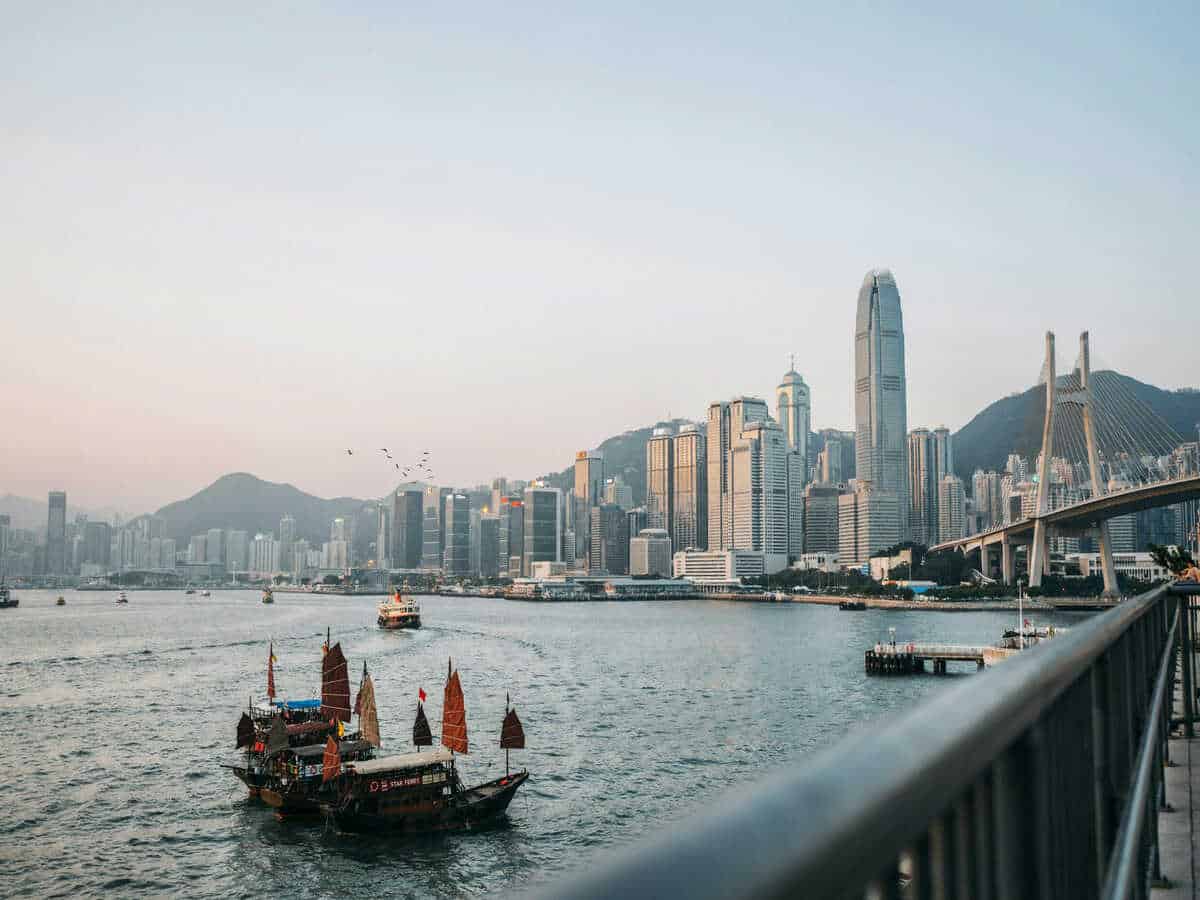
Travel to Hong Kong is up 22% to 40 million travelers, fueling a huge boom in tourism throughout Asia.
Travel to Hong Kong is up 22% to 40 million travelers, fueling a huge boom in tourism throughout Asia. There is a major macroeconomic revival taking place in the Asian tourism system, characterized by growing cross-border collaborations, heavy investment in tourism infrastructure, and a strong recovery in consumer travel demand. It is at the forefront of all this regional growth that Hong Kong finds itself, thanks to its dynamic marketing and alliance strategies.
According to preliminary data released by the Hong Kong Tourism Board (HKTB), the Special Administrative Region welcomed approximately 4.03 million visitor arrivals in September, representing a sharp 22 percent year-on-year increase.This influx pushed the city’s cumulative visitor count for the first nine months past the 40 million mark—reaching an estimated 40.7 million.
Far from being an isolated localized success, this 22 percent jump reflects a rising tide across the broader Asian continent.From East Asia’s multi-destination travel corridors to South Asia’s experiential heritage circuits and the Middle East’s mega-resort developments, Asian nations are forging strategic synergies that inject billions into regional commerce, aviation, hospitality, and retail.
Deconstructing Hong Kong’s September Influx
Hong Kong’s performance in September provides a clear blueprint for how targeted event marketing and cultural positioning generate sustained economic yields.
Hong Kong Q3 Tourism Performance at a Glance
| Tourism Indicator | Key Figures and Strategic Highlights |
|---|---|
| September Visitor Arrivals | 4.03 million visitors, reflecting a robust 22% year-on-year increase. |
| January–September Visitor Volume | Approximately 40.7 million arrivals, exceeding the 40 million visitor milestone. |
| Mainland China Tourism Growth | Visitor arrivals from Mainland China surged by approximately 30% year-on-year in September. |
| Major Cultural and Tourism Attractions | The Tai Hang Fire Dragon Dance and International Lantern Spectacular contributed to Hong Kong’s event-driven tourism appeal. |
| Future Tourism Growth Priorities | Greater emphasis on MICE tourism, international events and the “Only in Hong Kong” campaign to strengthen the city’s global tourism competitiveness. |
The Festive Catalyst and Base Effect
The HKTB attributed the September growth surge to a powerful combination of seasonal cultural programming and favorable market conditions:
- Cultural Mega-Events:The Mid-Autumn Festival holiday served as a primary travel draw. High-profile traditional spectacles—most notably the historic Tai Hang Fire Dragon Dance—were paired with modern visual installations, such as the inaugural International Lantern Spectacular, creating a multi-generational draw for domestic and international tourists alike.
- Statistical Base Realignment:Growth was further amplified by a low base of comparison from the same period in the prior year, during which adverse weather disruptions, including severe typhoons, temporarily halted regional transport networks.
Source Market Performance Dynamics
The breakdown across geographic origin markets highlights both the strength of regional linkages and areas requiring sustained capacity expansion:
- Mainland China:Remains the primary engine of Hong Kong’s travel economy, with mainland visitor numbers growing by nearly 30 percent year-on-year in September. Enhanced high-speed rail connectivity and streamlined travel permits continue to facilitate spontaneous leisure travel.
- Long-Haul Markets:Exhibited steady growth at what the board characterized as an “ideal pace,” demonstrating resilient demand from Western markets for business and cultural itineraries.
- Short-Haul Markets:While benefiting directly from regional festive marketing, growth in certain short-haul source markets faced mild headwinds due to lingering airline seat capacity bottlenecks and elevated aviation fuel surcharges.
Cross-Border Collaboration: The Regional Growth Engine
The headline growth in Hong Kong is mirrored across key Asian destinations that are pivoting from localized competition toward regional cooperation. Recognizing that international long-haul travelers often view Asia as a collective destination, nations are creating joint marketing frameworks, multi-city transit visas, and interconnected travel itineraries.
The Asian Tourism Economic Multiplier: Cross-Border Connectivity and Growth Opportunities
| Country / Destination | Strategic Tourism Position | Key Tourism Focus | Cross-Border Connectivity | Potential Economic Impact |
|---|---|---|---|---|
| Hong Kong | International Events and MICE Gateway | Business tourism, exhibitions, international conferences, luxury travel and major events | Cross-border itineraries with Japan and reciprocal travel routes with India | Potential growth in business travel spending, hotel occupancy, aviation demand and international visitor expenditure |
| Japan | Regional Tourism and Cultural Heritage Hub | Heritage tourism, regional destinations, cultural experiences, seasonal tourism and premium hospitality | Cross-border travel itineraries with Hong Kong and reciprocal travel routes with Saudi Arabia | Opportunities for regional tourism development, hospitality revenue, visitor dispersal and cultural tourism investment |
| India | Thematic Tourism and Wellness Destination | Wellness retreats, medical tourism, spiritual journeys, heritage circuits and experiential holidays | Reciprocal travel routes with Hong Kong and high-value Middle East travel corridors linking Saudi Arabia | Potential expansion of wellness tourism, medical travel revenue, aviation connectivity and local tourism employment |
| Saudi Arabia | Vision 2030 Tourism and Investment Gateway | Luxury tourism, religious tourism, cultural heritage, major events and emerging leisure destinations | Reciprocal travel connections with Japan and high-value transit corridors with India | Opportunities for tourism investment, hotel development, aviation growth and international visitor spending |
Strategic Tourism Connectivity Matrix
| Tourism Corridor | Connectivity Model | Principal Opportunity |
|---|---|---|
Hong Kong  Japan Japan | Cross-Border Tourism Itineraries | Multi-destination holidays, business and leisure travel, and cultural exchanges |
| Hong Kong India | Reciprocal Travel Routes | MICE tourism, wellness travel, business mobility and leisure tourism |
| Japan Saudi Arabia | Reciprocal Travel Paths | Cultural tourism, premium travel experiences and expanding international tourism connections |
| India Saudi Arabia | High-Value Middle East Transit Corridors | Religious tourism, wellness travel, business tourism and aviation connectivity |
Country-by-Country Analysis: How Key Destinations Power Asia’s Economy
Hong Kong: Event Tourism, MICE, and “Only in Hong Kong” Experiences
Hong Kong continues to build its identity as the “Events Capital of Asia.” The city’s strategy relies heavily on two lucrative pillars: Event Tourism and MICE (Meetings, Incentives, Conferences, and Exhibitions). High-net-worth business travelers attracted by trade fairs generate significantly higher average daily spend across luxury retail, fine dining, and commercial real estate.
Concurrently, the HKTB’s “Only in Hong Kong” global brand narrative focuses on unique sensory and cultural assets that cannot be replicated elsewhere. Upcoming key activations for the final quarter include:
- Hong Kong Halloween Month:Citywide thematic street activations, nightlife integration, and immersive entertainment offerings.
- Hong Kong Wine & Dine Festival: A premier global gastronomy showcase along Victoria Harbour that attracts world-class chefs, vintners, and epicurean travelers.
- Hong Kong WinterFest & New Year Countdown Celebrations: Harbourfront pyrotechnic light displays designed to drive high hotel occupancy through the year-end holiday period.
Japan: Decentralization and High-Yield Experiential Travel
Japan plays a central role in driving East Asian travel volume through a dual focus on dispersal and heritage preservation. To prevent overtourism in core metropolitan areas like Tokyo, Kyoto, and Osaka, the Japan National Tourism Organization (JNTO) is channeling international arrivals into provincial prefectures.
By heavily promoting rural luxury stays, traditional artisan craft tours, ski tourism in Hokkaido and the Japanese Alps, and regional culinary trails, Japan ensures visitor spending reaches local agricultural and craft economies. Furthermore, joint promotion routes that connect flights between Tokyo, Hong Kong, and regional hubs encourage long-haul travelers to combine multiple East Asian cities into single travel bookings.
India: Thematic Circuits, Cultural Heritage, and Medical Tourism
India is rapidly elevating its position within the Asian tourism hierarchy through a modernized infrastructure push and the creation of Thematic Tourism Trails. The Indian government has made substantial investments to convert historic and archaeological sites into world-class experiential travel hubs.
Key pillars driving India’s tourism economy include:
- Thematic Trails: Specially curated routes focusing on spiritual heritage, eco-conservation, wildlife sanctuaries, and mountain trekking.
- Medical & Wellness Hubs: Combining accredited modern healthcare facilities with traditional wellness retreats (AYUSH), capturing a high-margin global audience seeking specialized treatment and rejuvenation.
- Infrastructure Integration: Rapid expansion of regional airport networks under domestic connectivity schemes, allowing foreign visitors seamless access to secondary and tertiary heritage destinations.
Saudi Arabia & Middle Eastern Corridors: Bridge Between East and West
Saudi Arabia’s Vision 2030 tourism strategy serves as an economic bridge connecting the Middle East with South and East Asia. Through multi-billion-dollar investments in luxury mega-projects such as AlUla, the Red Sea Project, and NEOM, the Kingdom is establishing itself as a world-class luxury hub.
Crucially, expanded flight capacity from carriers across the Gulf, mainland China, and Hong Kong has created seamless travel corridors. The simplification of e-visa protocols and transit visas enables international travelers to easily link Middle Eastern stopovers with broader Asian travel itineraries, boosting aviation revenue and cross-continental commercial exchange.
Comprehensive Country Strategy Matrix
| Destination | Primary Economic Focus | Signature Initiatives | Contribution to Asian Economy |
| Hong Kong | Event & MICE Tourism, Cultural Celebrations | “Only in Hong Kong” campaign, Wine & Dine Festival, WinterFest | Drives high-margin business travel, luxury retail, and hospitality yield. |
| Japan | Regional Dispersal, Eco-Tourism, Rural Heritage | Beyond-Golden-Route promotion, regional gastronomy, craft trails | Spreads tourism revenue to rural prefectures and sustains local artisans. |
| India | Thematic Circuits, Medical & Wellness Hubs | Archeological site upgrades, AYUSH wellness centers, eco-trails | Attracts long-stay medical tourists and cultural heritage travelers. |
| Saudi Arabia | Vision 2030 Megaprojects, East-West Corridors | AlUla, Red Sea developments, e-visa expansion, transit hubs | Unlocks luxury travel segments and strengthens Middle East-Asia flight networks. |
Strategic Outlook: Overcoming Challenges to Sustain Growth
While the 22 percent increase in September arrivals highlights strong regional momentum, maintaining this upward trajectory requires addressing structural challenges across the aviation and service sectors.
Strategic Roadmap for Sustainable Tourism Growth
| Strategic Priority | Key Initiatives | Expected Impact |
|---|---|---|
| 1. Aviation Capacity Expansion | Restore international flight frequencies, strengthen airline connectivity and address crew staffing shortages. | Increase seat availability, improve air connectivity and help reduce fuel surcharges and passenger travel costs. |
| 2. Seamless Multi-Destination Travel | Expand Greater Bay Area (GBA) multi-stop visa arrangements and introduce integrated transit ticketing across Hong Kong, Macau, Guangdong, Japan and Southeast Asia. | Simplify cross-border journeys, encourage multi-destination tourism and strengthen regional travel connectivity. |
| 3. High-Value Service Delivery | Integrate digital payment solutions, multilingual AI-powered visitor assistance and sustainable hospitality practices. | Enhance visitor experiences, improve service efficiency, attract high-value international travellers and support long-term tourism competitiveness. |
- Aviation Constraints and Cost Pressure: As noted by the HKTB regarding short-haul markets, flight capacity constraints and elevated fuel surcharges remain operational bottlenecks. Regional carriers are actively expanding fleet utilization and route frequencies to lower passenger seat costs.
- Greater Bay Area (GBA) Integration: The seamless integration of Hong Kong, Macau, and nine cities in Guangdong province creates a massive multi-destination market. The “one-trip, multiple-stops” concept allows international visitors entering through Hong Kong International Airport to explore mainland high-tech hubs and heritage destinations using high-speed rail networks.
- Pivoting to High-Yield Quality Tourism: Rather than focusing solely on raw arrival numbers, Asian tourism boards are increasingly targeting average length of stay, visitor satisfaction, and local economic footprint. High-value MICE events and exclusive cultural showcases ensure that incoming tourism directly benefits local small-and-medium enterprises (SMEs).
As Hong Kong sees a 22% rise in tourist visits to cross 40M mark, cross-border agreements with Japan boost the tourism economy in Asia.
This milestone statement that the number of tourists visiting Hong Kong crossed 40 million in the first nine months of the year due to an impressive 22% growth in September marks an important time for the travel industry in Asia. By connecting its mega events with cross border marketing campaigns along with other regions such as Japan, India, and the Middle East, Asia proves the huge economic value of travel when combined together. With the capacity of flights increasing along with more events in the pipeline, this strategic collaboration amongst nations will help Asia prosper further.
The post Hong Kong Joins Forces With Japan And More In Promoting Tourism As 22% Increase In Travel Lifts Asian Economy appeared first on Travel and Tour World














































































